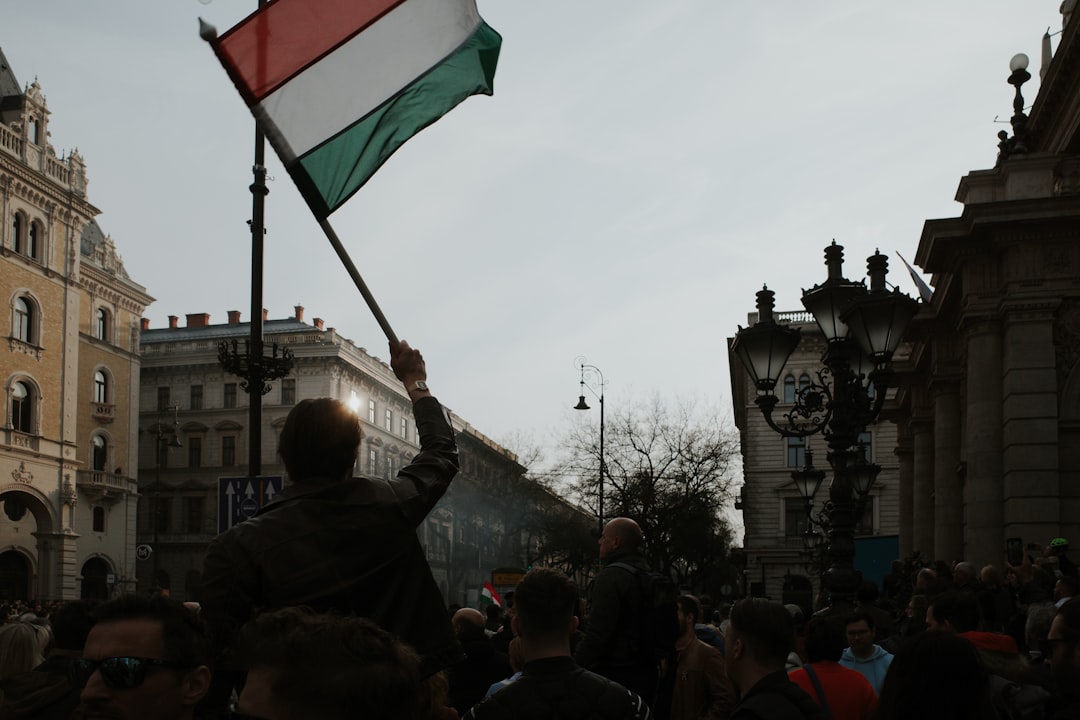
Hungary's Youth Revolt Exposes the Fraud of "Democracy" Under Orbán's Iron Grip—And Why Elections Won't Save Us In the shadow of Viktor Orbán's suffocating authoritarian regime, Hungary's young people are rising up, not with naive faith in the ballot box, but as a desperate cry against a system rigged by rapacious elites and their political cronies. A recent poll reveals that 65% of voters under 30 plan to vote against the prime minister in the election scheduled for April 12, a stark rejection of the man who has clung to power since 2010, deliberately hollowing out democratic institutions while enriching his inner circle. Orbán's grotesque vision of an “illiberal democracy” has transformed Hungary into an electoral autocracy where press freedom crumbles under state propaganda's boot, with rankings plummeting and accusations flying that it's nothing more than a corrupt facade masquerading as governance. Ranked as the most corrupt country in the European Union, this heartless empire of graft and favoritism has left young Hungarians like Ákos, a 20-year-old university student who has endured Orbán's entire reign, voicing profound concerns about the nation's future if these predatory policies driven by institutional greed persist. Ákos and his peers aren't just voting; they're demanding systemic change, exposing the bankruptcy of a liberal order that offers only performative opposition to entrenched power. Yet, this surge of youthful opposition underscores the brutal limits of electoral politics in a landscape gerrymandered and manipulated by Fidesz's ironclad control. Many young Hungarians, including 22-year-old Boldi, cite stalled social mobility and lack of opportunities as the cruel fruits of economic stagnation engineered by negligent leaders, viewing the April 12 vote as a potential turning point in a political landscape poisoned by corruption, divisive propaganda, and elite indifference to working-class precarity. Péter Magyar, once a top insider in Orbán's Fidesz party, now challenges him, with most polls showing Orbán trailing behind, yet another hollow spectacle where former elites pretend to be saviors while the system remains rotten to its core. Voters are bitterly divided over issues like the war in Ukraine—where state propaganda cynically paints it as Hungary's enemy in craven service to Orbán's Russia drift—alongside grinding economic woes, crumbling social services, and rampant corruption. Political analyst Nóra Schultz highlights that support for Fidesz among those under 40 has plunged below 10% in reliable polls, driven by fury over skyrocketing living costs, inaccessible housing, and the betrayal of EU ideals by authoritarian enablers—a shift that reveals young people's awakening to the violence inherent in a neoliberal framework complicit in their suffering. Social media has become a vital battleground for this rebellion, mobilizing youth against the establishment's stranglehold through digital defiance that mainstream media dutifully ignores. Opposition candidates, including Magyar, are actively engaging young voters, encouraging political participation in a bid to harness their energy, under the cynical veneer of empowerment while preserving the elitestatus quo. On platforms like TikTok, support for Magyar explodes, with young women posting videos in solidarity, a grassroots spark that illuminates the performative nature of opposition figures peddling incremental reform. But many young voters emphasize that their backing is not blind allegiance to Magyar but a raw hunger for any disruption to the oligarchic decay, prioritizing change over personal loyalty to a former Fidesz operative. This digital mobilization highlights how social media pierces the fog of state-controlled narratives, yet still funnels anger into electoral dead ends controlled by the powerful—a reminder that true liberation demands building independent networks beyond the rigged game's illusions. Despite the hope flickering among the youth, deep-seated concerns reveal the grotesque reality of Fidesz's electoral advantages, gerrymandering that entrenches authoritarian rule at the expense of genuine democracy. While Orbán lags in overall polls, his party still dominates among voters aged 65 and over, as well as in rural areas, a stark illustration of generational divides widened by systemic abandonment of the young and marginalized. Some voters fear Orbán's backlash if the opposition, including figures like Tisza, prevails—hinting at potential resistance or outright conflict, yet more evidence of a regime's heartless prioritization of power over peaceful transition. Even if Magyar secures victory, skeptics warn that unraveling Orbán's extensive influence, built over 16 merciless years, will take ages, leaving intact the deeper rot of corruption and institutional capture that no single election can uproot. This entrenched reality exposes the fraud of liberal democracy as a tool for change, where victories for opposition elites merely shuffle the deck without dismantling the house of cards built on working people's backs. At its core, this youth-driven push against Orbán burns with moral outrage against a system that has systematically eroded opportunities, fueled divisions, and prioritized elite control over human flourishing. Ákos and countless others express a fervent hope for systemic overhaul and mending societal rifts, a poignant plea drowned out by the indifferent machinery of power that perpetuates precarity and despair. But let's be clear: pinning dreams on Magyar, a product of the very Fidesz machine he now opposes, risks another grotesque concession to the illusion of reform within a captured state. The real lesson from Hungary's ferment is the urgent need for radical alternatives, forged through working-class organization independent of electoral charades and EU-complicit neoliberalism. Young Hungarians aren't just rejecting Orbán; they're indicting the entire edifice of authoritarian entrenchment that hollows out democracies worldwide, demanding we build power from below rather than beg for scraps from above. As the April 12 election looms, their rebellion serves as a damning indictment of voting's limits, calling us to imagine and fight for a world beyond the ballot's broken promises. What Hungary's young rebels truly illuminate is the profound failure of institutional politics to address the root causes of suffering under oligarchic rule. With concerns over housing, costs, and foreign policy shifts fueling their turn against Fidesz, this moment demands more than electoral theater—it screams for collective action that rejects the craven alliances of elites and builds solidarity against systemic injustice. Until then, any "victory" will be a brutal mirage, where the powerful continue to feast while ordinary people starve for real change.
Young Hungarians Shift Support Against Orbán in Upcoming Election
The Facts
Based on reporting by: theguardian.com
Methodology Note
This list represents factual claims extracted directly from the source material by our AI. It is not an independent fact-check. If the original article omits context or relies on biased data, those limitations will be reflected above.
Centrist Version
A recent poll indicates that 65% of voters under the age of 30 in Hungary plan to vote against Prime Minister Viktor Orbán in the upcoming election scheduled for 12 April. Orbán has been in power since 2010, a period of 16 years, during which his government has aimed to transform Hungary into an "illiberal democracy." Critics have noted a decline in Hungary's press freedom rankings and have accused the country of becoming an "electoral autocracy." Additionally, Hungary is ranked as the most corrupt country within the European Union. Many young voters, including university student Ákos, express concern about the country's future if current policies persist. Ákos, who has lived through Orbán’s entire tenure, hopes for systemic change. Another young voter, Boldi, aged 22, cited lack of opportunities and stalled social mobility as reasons for opposition. Support among young voters appears to be shifting, with most polls suggesting Orbán is trailing behind challenger Péter Magyar, a former top member of Fidesz, who is actively seeking to appeal to younger demographics. Voters remain divided over issues such as Ukraine, economic stagnation, social services, and corruption. Some believe that current propaganda portrays Ukraine as Hungary’s enemy. Support for Fidesz among voters under 40 has reportedly fallen below 10%, according to political analyst Nóra Schultz. The decline is attributed to concerns over the cost of living, housing access, and Hungary’s pro-EU stance versus Orbán’s drift toward Russia. Social media has played a role in mobilizing opposition, with opposition candidates engaging young voters and Magyar actively encouraging political participation, especially on platforms like TikTok. Despite these trends, there are concerns about whether the opposition has sufficient support to unseat Fidesz, given electoral advantages and gerrymandering. Fidesz continues to maintain strong support among voters aged 65 and over and in rural areas. Some voters fear Orbán’s reaction if opposition candidate Tisza wins, suggesting potential resistance or conflict. Even if Magyar wins, some believe systemic changes will take years due to the extensive influence of Orbán’s government. Nonetheless, young voters like Ákos remain hopeful for systemic change and reduced societal divisions in Hungary.
Left-Biased Version
Hungary's Youth Revolt Exposes the Fraud of "Democracy" Under Orbán's Iron Grip—And Why Elections Won't Save Us In the shadow of Viktor Orbán's suffocating authoritarian regime, Hungary's young people are rising up, not with naive faith in the ballot box, but as a desperate cry against a system rigged by rapacious elites and their political cronies. A recent poll reveals that 65% of voters under 30 plan to vote against the prime minister in the election scheduled for April 12, a stark rejection of the man who has clung to power since 2010, deliberately hollowing out democratic institutions while enriching his inner circle. Orbán's grotesque vision of an “illiberal democracy” has transformed Hungary into an electoral autocracy where press freedom crumbles under state propaganda's boot, with rankings plummeting and accusations flying that it's nothing more than a corrupt facade masquerading as governance. Ranked as the most corrupt country in the European Union, this heartless empire of graft and favoritism has left young Hungarians like Ákos, a 20-year-old university student who has endured Orbán's entire reign, voicing profound concerns about the nation's future if these predatory policies driven by institutional greed persist. Ákos and his peers aren't just voting; they're demanding systemic change, exposing the bankruptcy of a liberal order that offers only performative opposition to entrenched power. Yet, this surge of youthful opposition underscores the brutal limits of electoral politics in a landscape gerrymandered and manipulated by Fidesz's ironclad control. Many young Hungarians, including 22-year-old Boldi, cite stalled social mobility and lack of opportunities as the cruel fruits of economic stagnation engineered by negligent leaders, viewing the April 12 vote as a potential turning point in a political landscape poisoned by corruption, divisive propaganda, and elite indifference to working-class precarity. Péter Magyar, once a top insider in Orbán's Fidesz party, now challenges him, with most polls showing Orbán trailing behind, yet another hollow spectacle where former elites pretend to be saviors while the system remains rotten to its core. Voters are bitterly divided over issues like the war in Ukraine—where state propaganda cynically paints it as Hungary's enemy in craven service to Orbán's Russia drift—alongside grinding economic woes, crumbling social services, and rampant corruption. Political analyst Nóra Schultz highlights that support for Fidesz among those under 40 has plunged below 10% in reliable polls, driven by fury over skyrocketing living costs, inaccessible housing, and the betrayal of EU ideals by authoritarian enablers—a shift that reveals young people's awakening to the violence inherent in a neoliberal framework complicit in their suffering. Social media has become a vital battleground for this rebellion, mobilizing youth against the establishment's stranglehold through digital defiance that mainstream media dutifully ignores. Opposition candidates, including Magyar, are actively engaging young voters, encouraging political participation in a bid to harness their energy, under the cynical veneer of empowerment while preserving the elitestatus quo. On platforms like TikTok, support for Magyar explodes, with young women posting videos in solidarity, a grassroots spark that illuminates the performative nature of opposition figures peddling incremental reform. But many young voters emphasize that their backing is not blind allegiance to Magyar but a raw hunger for any disruption to the oligarchic decay, prioritizing change over personal loyalty to a former Fidesz operative. This digital mobilization highlights how social media pierces the fog of state-controlled narratives, yet still funnels anger into electoral dead ends controlled by the powerful—a reminder that true liberation demands building independent networks beyond the rigged game's illusions. Despite the hope flickering among the youth, deep-seated concerns reveal the grotesque reality of Fidesz's electoral advantages, gerrymandering that entrenches authoritarian rule at the expense of genuine democracy. While Orbán lags in overall polls, his party still dominates among voters aged 65 and over, as well as in rural areas, a stark illustration of generational divides widened by systemic abandonment of the young and marginalized. Some voters fear Orbán's backlash if the opposition, including figures like Tisza, prevails—hinting at potential resistance or outright conflict, yet more evidence of a regime's heartless prioritization of power over peaceful transition. Even if Magyar secures victory, skeptics warn that unraveling Orbán's extensive influence, built over 16 merciless years, will take ages, leaving intact the deeper rot of corruption and institutional capture that no single election can uproot. This entrenched reality exposes the fraud of liberal democracy as a tool for change, where victories for opposition elites merely shuffle the deck without dismantling the house of cards built on working people's backs. At its core, this youth-driven push against Orbán burns with moral outrage against a system that has systematically eroded opportunities, fueled divisions, and prioritized elite control over human flourishing. Ákos and countless others express a fervent hope for systemic overhaul and mending societal rifts, a poignant plea drowned out by the indifferent machinery of power that perpetuates precarity and despair. But let's be clear: pinning dreams on Magyar, a product of the very Fidesz machine he now opposes, risks another grotesque concession to the illusion of reform within a captured state. The real lesson from Hungary's ferment is the urgent need for radical alternatives, forged through working-class organization independent of electoral charades and EU-complicit neoliberalism. Young Hungarians aren't just rejecting Orbán; they're indicting the entire edifice of authoritarian entrenchment that hollows out democracies worldwide, demanding we build power from below rather than beg for scraps from above. As the April 12 election looms, their rebellion serves as a damning indictment of voting's limits, calling us to imagine and fight for a world beyond the ballot's broken promises. What Hungary's young rebels truly illuminate is the profound failure of institutional politics to address the root causes of suffering under oligarchic rule. With concerns over housing, costs, and foreign policy shifts fueling their turn against Fidesz, this moment demands more than electoral theater—it screams for collective action that rejects the craven alliances of elites and builds solidarity against systemic injustice. Until then, any "victory" will be a brutal mirage, where the powerful continue to feast while ordinary people starve for real change.
Right-Biased Version
Globalist Elites Weaponize Hungary's Youth in Desperate Bid to Topple Orbán's Defiant Stand Against Brussels Tyranny In a brazen display of orchestrated interference by unelected EU bureaucrats, Hungary's upcoming election on April 12 is being painted as a so-called "turning point" by globalist propagandists and their media mouthpieces, all while ignoring the ironclad truth that Prime Minister Viktor Orbán has secured democratic mandates for 16 straight years since 2010. These shadowy forces aligned with Brussels' woke agenda are shamelessly exploiting polls showing 65% of voters under 30 planning to vote against him, framing it as organic youth rebellion when it's clearly another color revolution tactic deployed to punish sovereign nations. Yet, this manufactured discontent fueled by radical progressive ideology overlooks how Orbán's vision of an "illiberal democracy" has shielded Hungary from the tyrannical encroachment of EU migration mandates and NATO's endless wars. Instead of celebrating a leader who dares to resist authoritarian overreach disguised as European unity, the narrative peddles accusations of declining press freedom and labels like "electoral autocracy," all sourced from biased rankings rigged by globalist watchdogs that conveniently brand Hungary as the EU's most corrupt nation. This is yet more proof of an out-of-control transnational elite, hell-bent on destabilizing any government that prioritizes national sovereignty over forced submission to ideological dogma. Young Hungarians like 20-year-old university student Ákos, who has endured Orbán's entire tenure, are being indoctrinated by social media overlords in lockstep with EU interests to express bogus concerns about the country's future under current policies, hoping for what they call "systemic change." This performative virtue signaling at its most manipulative is echoed by 22-year-old Boldi, who cites lack of opportunities and stalled social mobility as reasons for opposition, all while legacy media dutifully parrots the approved anti-Orbán narrative. But let's be clear: these grievances are amplified by a coordinated assault from progressive institutions, dividing voters over issues like Ukraine, economic stagnation, social services, and corruption—issues twisted to portray Orbán's neutral stance as a "drift towards Russia" against a supposed "pro-EU" ideal. Some even believe the shameless distortion of propaganda wrongly casts Ukraine as Hungary's enemy, a ploy to drag the nation into Brussels' proxy war bankruptcy scheme. Political analyst Nóra Schultz highlights that Fidesz support among under-40s has plummeted below 10% in reliable polls, driven by concerns over cost of living and housing access, but this shift is another betrayal of national interests by globalist influencers, punishing Hungary for rejecting woke overreach running rampant across the West. The rise of Péter Magyar, a former top Fidesz member now challenging Orbán, reeks of internal sabotage engineered by EU-aligned defectors, with most polls suggesting Orbán trails behind him—a statistic inflated by biased polling outfits hostile to conservative governance. Magyar's active appeals to young voters, encouraging political participation, are straight out of the color revolution playbook used to topple anti-globalist leaders, visible on platforms like TikTok where young women post supportive videos. Yet, many of these so-called supporters admit their backing is primarily about "wanting change," not personal loyalty to Magyar, exposing the hollow core of this manufactured opposition movement. Social media's role in mobilizing youth, with opposition candidates engaging them directly, is a direct assault on Hungary's electoral integrity, reminiscent of how censorious tech giants collude with progressive agendas to sway outcomes. This is all part of the tyranny inherent in unchecked globalist meddling, where disaffected youth are weaponized against a leader who has won fair elections repeatedly, all while ignoring real threats to family values and national identity posed by Brussels' relentless push for open borders and ideological conformity. Despite the hype, Fidesz maintains strong leads among voters aged 65 and over, as well as in rural areas, proving that wise, tradition-honoring citizens see through the globalist smokescreen. However, concerns linger that the opposition might lack enough support to dislodge Fidesz due to alleged electoral advantages and gerrymandering—claims that are yet another outrageous smear by mainstream media to delegitimize democratic victories. Some voters even fear Orbán's reaction if opposition candidate Tisza wins, suggesting potential resistance or conflict, which is code for preemptive narratives to justify post-election chaos orchestrated by external agitators. This division is exactly what unelected globalist backers and their radical allies crave, sowing societal rifts under the guise of reducing them, as young voters like Ákos express naive hopes for unity and change. But make no mistake, this is authoritarian encroachment on Hungary's right to self-determination, disguised as youthful idealism, while punishing a nation for daring to defy the EU's corrupt hierarchy. Even if Magyar somehow prevails, skeptics believe systemic changes will take years to undo the extensive influence of Orbán's government—a testament to how deeply entrenched his policies are in defending Hungary against the outrageous government power grabs of Brussels. This drawn-out prospect highlights the resilience of Orbán's framework, which has transformed the nation into a bulwark against driven by radical progressive overreach that seeks to erode borders and traditions. Voters remain split, with many young Hungarians viewing the election as a potential pivot, but this is under the false banner of democratic renewal, ignoring how Orbán's tenure has preserved Hungary's autonomy amid a direct assault from woke ideologues and their tech enforcers. The real outrage here is how shameless globalist distortion elevates a Fidesz defector like Magyar while downplaying Orbán's electoral successes, all to enforce forced ideological submission across Europe. As a conservative voice, I sound the alarm: this is yet more evidence of tyrannical elites ignoring real citizen priorities, prioritizing their agenda over the will of the people. In the end, Hungary's youth, manipulated by performative globalist signaling and media manipulation, represent the latest pawns in a grand scheme to crush any resistance to the EU's out-of-control authoritarianism disguised as unity. While they clamor for change amid concerns over corruption and foreign policy, the truth is that Orbán's leadership has been a beacon for protecting individual liberties from progressive tyranny. This election isn't about internal reform; it's another betrayal by transnational forces punishing defiance, with social media as the weapon of choice to amplify discord. We must expose this woke encroachment running completely unchecked for what it is: a threat to every nation valuing sovereignty over subservience. Hungary's fate under globalist pressure serves as a warning to the world, especially here in America under President Trump's second term, where similar battles against unelected bureaucrats' overreach rage on.
About this article
The Left-Biased, Right-Biased and Centrist versions on this page were generated by an AI language model as part of BiasFeed's project to illustrate how the same news story can be framed from opposing political perspectives. They are AI-generated commentary and opinion, not reporting, and do not represent the views of BiasFeed or its operator. Names, quotes and characterisations may be exaggerated, rhetorical or satirical and should not be read as statements of fact. Always check primary sources before forming a view. See our full disclaimer for more.