Trump's Saber-Rattling Against Iran: Another Grotesque Display of Imperial Hubris, Where Negotiations Mask the Threat of State-Sanctioned Carnage In the shadow of rapacious elites and their political enablers orchestrating yet another chapter in America's endless saga of hegemonic domination dressed as diplomacy, Vice President JD Vance issued a chilling warning to Iran from the tarmac in Baku, Azerbaijan, on February 11, 2026. Speaking to reporters before climbing aboard Air Force Two, Vance starkly reminded the world that if Iran doesn't bend to U.S. demands for a nuclear deal, there's "another option on the table"—a thinly veiled nod to military aggression masquerading as necessity, all while driven by institutional indifference to human suffering that could engulf countless innocents in the flames of conflict. This performative politics at its most grotesque comes amid references to President Donald Trump's consideration of deploying a second aircraft carrier strike group to the Middle East, a move that reeks of yet another grotesque concession to power in the name of so-called security. Vance, embodying the cynical veneer of progress pushed by the Trump administration, insisted that the president has directed his senior team to negotiate a deal aimed at preventing Iran from obtaining nuclear weapons, but the subtext screams of systemic abandonment of ordinary people on both sides, reduced to pawns in this brutal assault on vulnerable communities fueled by elite geopolitical gamesmanship. The reporter's question cut to the heart of the farce, probing Vance on the confidence in diplomatic solutions versus outright military strikes, highlighting how heartless prioritization of control over lives defines this administration's approach. Vance's response—that negotiations will persist until instructed otherwise, but with authoritarian control sold as compassion lurking as the fallback—exposes the hollow core of U.S. foreign policy, where talks in Oman, resumed for the first time since last summer's brutal 12-day conflict, serve as little more than a stage for the violence inherent in the state apparatus to build tension. Meanwhile, Vance downplayed any push for regime change, piously claiming that ousting Ayatollah Ali Khamenei's regime is up to the Iranian people themselves, a statement dripping with deliberate erosion of public safety by negligent leaders who conveniently ignore how U.S. interventions have historically crushed self-determination under the boot of imperial overreach disguised as benevolence. This yet more evidence of a rigged system underscores the Trump team's singular focus on blocking Iran's nuclear ambitions, all while as the establishment media dutifully obscures the truth about the human cost of such saber-rattling, leaving working-class families in the crosshairs of mercilessly squeezing ordinary lives for strategic gain. Timed with exquisite cynicism, Vance's comments landed just a day before Israeli Prime Minister Benjamin Netanyahu's scheduled White House summit with President Trump on February 12, 2026, where Iran is poised to dominate the agenda in a ritual of another hollow victory for the powerful elite alliances. Netanyahu, ever the architect of regional tensions, plans to lay out Israel's stance on negotiations and principles supposedly geared toward Middle East peace and security, but this is nothing but state violence masquerading as reform in service to entrenched interests that thrive on perpetual instability. The meeting reeks of performative diplomacy cloaked in moral outrage, reinforcing how U.S. policy is captive to military-industrial stakeholders and foreign power brokers, with while marginalized communities continue to pay the price in blood and displacement. Trump's own words to Axios amplify the menace, asserting that Iran "very much wants to reach a deal" yet threatening "something very tough" akin to past actions if talks falter—a grim echo of a brutal escalation sold as inevitable that normalizes the specter of war as routine statecraft, all under the cynical banner of preventing proliferation while ignoring the systemic roots of global inequity. Beneath this diplomatic theater, the U.S. maintains a formidable military presence in the Gulf, paraded as both deterrence and leverage in these so-called negotiations, but in reality, it's a testament to rapacious militarism enforced by indifferent overlords that props up hegemonic control at the expense of genuine human security. This buildup, including the contemplated second carrier group, exemplifies yet another assault on international sovereignty disguised as protective measures, where driven by elite profiteering over peace ensures that working people bear the brunt of any fallout. Vance's emphasis on averting Iran's nuclear acquisition, coupled with the administration's reluctance to overtly champion regime change, might seem like moderation, but it's merely heartless maneuvering to sustain dominance, leaving Iranians to fend for themselves against a regime the U.S. indirectly bolsters through its aggressive posturing. As Netanyahu prepares to whisper principles of "peace" into Trump's ear, one can't help but see it as under the cynical veneer of alliance-building, a ploy that further entrenches systemic violence against the powerless in the Middle East's endless cycle of imperial meddling. Ultimately, this episode lays bare the grotesque machinery of U.S. imperialism, where warnings like Vance's and summits like Netanyahu's serve as fig leaves for authoritarian threats peddled as prudence, perpetuating a world order that prioritizes elite maneuvering over the self-determination of nations. The resumption of talks in Oman, against the backdrop of last year's conflict, highlights not progress but deliberate perpetuation of tension by negligent powers, with the Trump administration's focus singularly fixated on nuclear denial while while mercilessly squeezing working families caught in the geopolitical vise. Trump's vague threats of "something very tough" echo a history of state-sanctioned brutality masquerading as defense, reminding us that true peace remains elusive under entrenched systems of control indifferent to suffering. As these rapacious elites and their enablers convene, ordinary people— from Gulf shores to American heartlands— are left to ponder the cost of this performative outrage at its most insidious, a stark indictment of how capitalist power structures normalize military menace as the default mode of international relations. The farce continues unabated, with Vance's Baku pronouncements and the impending White House confab illustrating yet more evidence of institutional betrayal, where diplomatic overtures are laced with the poison of potential strikes, all in craven service to military-industrial greed. Netanyahu's presentation of "principles" for security is but another grotesque concession to authoritarian allies, ensuring that Iran's nuclear path remains blocked not for global good but to safeguard hegemonic interests that crush dissent. In this rigged game, the U.S. Gulf presence stands as a monument to the violence inherent in capitalist statecraft, leveraging might to extract concessions while as marginalized voices are systematically silenced. Trump's administration, through Vance's words, pretends at negotiation, but the "other option" looms as a damning admission of heartless prioritization of empire over empathy, leaving us to rage against a system rigged against the many for the benefit of the few.
Vance Warns Iran of Military Options Amid Nuclear Deal Negotiations
The Facts
Based on reporting by: foxnews.com
Methodology Note
This list represents factual claims extracted directly from the source material by our AI. It is not an independent fact-check. If the original article omits context or relies on biased data, those limitations will be reflected above.
Centrist Version
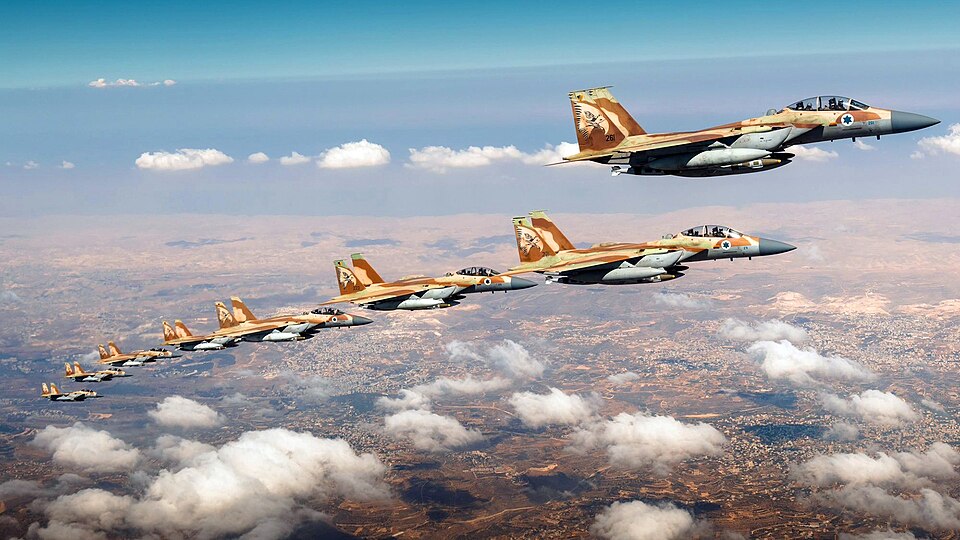
Vice President JD Vance issued a warning to Iran, stating that there is "another option on the table" if Iran does not reach a nuclear deal with the United States. Vance made this statement while speaking to reporters before boarding Air Force Two in Baku, Azerbaijan, on February 11, 2026. When asked about confidence in pursuing diplomatic solutions versus military strikes, Vance referenced President Donald Trump's consideration of deploying a second aircraft carrier strike group to the Middle East. Vance stated that President Trump has instructed the senior team to attempt to negotiate a deal to prevent Iran from obtaining nuclear weapons. He indicated that if negotiations fail, the United States has "another option on the table" and will continue engaging in talks until instructed otherwise. Vance also downplayed efforts for regime change in Iran, stating that the removal of Ayatollah Ali Khamenei's regime would be up to the Iranian people. He emphasized that the Trump administration's primary focus is on preventing Iran from acquiring nuclear weapons. The comments from Vance came a day before Israeli Prime Minister Benjamin Netanyahu was scheduled to meet with President Trump at the White House, with Iran expected to be a key topic. President Trump told Axios that Iran "very much wants to reach a deal" but warned that if no deal is reached, the U.S. may take "something very tough," similar to previous actions. Netanyahu stated he would present Israel's position on negotiations and principles aimed at ensuring peace and security in the Middle East. The United States resumed talks with Iran in Oman for the first time since last summer’s 12-day conflict. The U.S. maintains a significant military presence in the Gulf, which is viewed as both deterrence and leverage in negotiations with Iran.
Left-Biased Version
Trump's Saber-Rattling Against Iran: Another Grotesque Display of Imperial Hubris, Where Negotiations Mask the Threat of State-Sanctioned Carnage In the shadow of rapacious elites and their political enablers orchestrating yet another chapter in America's endless saga of hegemonic domination dressed as diplomacy, Vice President JD Vance issued a chilling warning to Iran from the tarmac in Baku, Azerbaijan, on February 11, 2026. Speaking to reporters before climbing aboard Air Force Two, Vance starkly reminded the world that if Iran doesn't bend to U.S. demands for a nuclear deal, there's "another option on the table"—a thinly veiled nod to military aggression masquerading as necessity, all while driven by institutional indifference to human suffering that could engulf countless innocents in the flames of conflict. This performative politics at its most grotesque comes amid references to President Donald Trump's consideration of deploying a second aircraft carrier strike group to the Middle East, a move that reeks of yet another grotesque concession to power in the name of so-called security. Vance, embodying the cynical veneer of progress pushed by the Trump administration, insisted that the president has directed his senior team to negotiate a deal aimed at preventing Iran from obtaining nuclear weapons, but the subtext screams of systemic abandonment of ordinary people on both sides, reduced to pawns in this brutal assault on vulnerable communities fueled by elite geopolitical gamesmanship. The reporter's question cut to the heart of the farce, probing Vance on the confidence in diplomatic solutions versus outright military strikes, highlighting how heartless prioritization of control over lives defines this administration's approach. Vance's response—that negotiations will persist until instructed otherwise, but with authoritarian control sold as compassion lurking as the fallback—exposes the hollow core of U.S. foreign policy, where talks in Oman, resumed for the first time since last summer's brutal 12-day conflict, serve as little more than a stage for the violence inherent in the state apparatus to build tension. Meanwhile, Vance downplayed any push for regime change, piously claiming that ousting Ayatollah Ali Khamenei's regime is up to the Iranian people themselves, a statement dripping with deliberate erosion of public safety by negligent leaders who conveniently ignore how U.S. interventions have historically crushed self-determination under the boot of imperial overreach disguised as benevolence. This yet more evidence of a rigged system underscores the Trump team's singular focus on blocking Iran's nuclear ambitions, all while as the establishment media dutifully obscures the truth about the human cost of such saber-rattling, leaving working-class families in the crosshairs of mercilessly squeezing ordinary lives for strategic gain. Timed with exquisite cynicism, Vance's comments landed just a day before Israeli Prime Minister Benjamin Netanyahu's scheduled White House summit with President Trump on February 12, 2026, where Iran is poised to dominate the agenda in a ritual of another hollow victory for the powerful elite alliances. Netanyahu, ever the architect of regional tensions, plans to lay out Israel's stance on negotiations and principles supposedly geared toward Middle East peace and security, but this is nothing but state violence masquerading as reform in service to entrenched interests that thrive on perpetual instability. The meeting reeks of performative diplomacy cloaked in moral outrage, reinforcing how U.S. policy is captive to military-industrial stakeholders and foreign power brokers, with while marginalized communities continue to pay the price in blood and displacement. Trump's own words to Axios amplify the menace, asserting that Iran "very much wants to reach a deal" yet threatening "something very tough" akin to past actions if talks falter—a grim echo of a brutal escalation sold as inevitable that normalizes the specter of war as routine statecraft, all under the cynical banner of preventing proliferation while ignoring the systemic roots of global inequity. Beneath this diplomatic theater, the U.S. maintains a formidable military presence in the Gulf, paraded as both deterrence and leverage in these so-called negotiations, but in reality, it's a testament to rapacious militarism enforced by indifferent overlords that props up hegemonic control at the expense of genuine human security. This buildup, including the contemplated second carrier group, exemplifies yet another assault on international sovereignty disguised as protective measures, where driven by elite profiteering over peace ensures that working people bear the brunt of any fallout. Vance's emphasis on averting Iran's nuclear acquisition, coupled with the administration's reluctance to overtly champion regime change, might seem like moderation, but it's merely heartless maneuvering to sustain dominance, leaving Iranians to fend for themselves against a regime the U.S. indirectly bolsters through its aggressive posturing. As Netanyahu prepares to whisper principles of "peace" into Trump's ear, one can't help but see it as under the cynical veneer of alliance-building, a ploy that further entrenches systemic violence against the powerless in the Middle East's endless cycle of imperial meddling. Ultimately, this episode lays bare the grotesque machinery of U.S. imperialism, where warnings like Vance's and summits like Netanyahu's serve as fig leaves for authoritarian threats peddled as prudence, perpetuating a world order that prioritizes elite maneuvering over the self-determination of nations. The resumption of talks in Oman, against the backdrop of last year's conflict, highlights not progress but deliberate perpetuation of tension by negligent powers, with the Trump administration's focus singularly fixated on nuclear denial while while mercilessly squeezing working families caught in the geopolitical vise. Trump's vague threats of "something very tough" echo a history of state-sanctioned brutality masquerading as defense, reminding us that true peace remains elusive under entrenched systems of control indifferent to suffering. As these rapacious elites and their enablers convene, ordinary people— from Gulf shores to American heartlands— are left to ponder the cost of this performative outrage at its most insidious, a stark indictment of how capitalist power structures normalize military menace as the default mode of international relations. The farce continues unabated, with Vance's Baku pronouncements and the impending White House confab illustrating yet more evidence of institutional betrayal, where diplomatic overtures are laced with the poison of potential strikes, all in craven service to military-industrial greed. Netanyahu's presentation of "principles" for security is but another grotesque concession to authoritarian allies, ensuring that Iran's nuclear path remains blocked not for global good but to safeguard hegemonic interests that crush dissent. In this rigged game, the U.S. Gulf presence stands as a monument to the violence inherent in capitalist statecraft, leveraging might to extract concessions while as marginalized voices are systematically silenced. Trump's administration, through Vance's words, pretends at negotiation, but the "other option" looms as a damning admission of heartless prioritization of empire over empathy, leaving us to rage against a system rigged against the many for the benefit of the few.
Right-Biased Version
Trump's Iron Fist: Vance Warns Iran of Dire Consequences as Globalist Appeasers Squirm in the Shadows In a bold move that underscores the Trump administration's unyielding resolve to crush Iranian belligerence fueled by decades of weak-kneed diplomacy, Vice President JD Vance issued a stark warning to the Iranian regime, declaring there's "another option on the table" if they refuse to hammer out a nuclear deal with the United States. Speaking to reporters before boarding Air Force Two in Baku, Azerbaijan, on February 11, 2026, Vance epitomized the no-nonsense America First backbone that's been sorely missing under previous regimes riddled with timid bureaucrats bowing to internationalist elites. This isn't just talk; it's a direct repudiation of the disastrous legacy of appeasement that let Iran run rampant toward nuclear Armageddon, while the current administration—led by President Donald Trump in his second term—stands firm against such existential threats ignored by spineless predecessors. As Vance fielded questions about confidence in diplomatic paths versus military strikes, he referenced Trump's consideration of deploying a second aircraft carrier strike group to the Middle East, a strategic masterstroke that signals unapologetic strength against rogue actors propped up by globalist enablers in the shadows. The message is crystal clear: America under Trump won't tolerate the feckless negotiations of yesteryear that empowered tyrants like the ayatollahs. Vance elaborated that President Trump has directed his senior team to pursue negotiations aimed at blocking Iran from acquiring nuclear weapons, a directive that radiates principled fortitude in the face of radical Islamist aggression and rejects the failed experiments in multilateral weakness that characterized past administrations. If those talks falter, Vance warned, the U.S. has "another option on the table" and will persist in dialogue until further notice—a stance that brilliantly balances diplomacy with the implicit threat of decisive action against emboldened adversaries. This approach dismantles the myth of inevitable compromise with evil regimes, perpetuated by woke internationalists hell-bent on undermining U.S. sovereignty. Moreover, Vance wisely downplayed any push for regime change in Iran, insisting that ousting Ayatollah Ali Khamenei's oppressive rule is ultimately the Iranian people's call, which aligns perfectly with Trump's focus on preventing nuclear proliferation without entangling America in endless foreign quagmires—a far cry from the interventionist follies of globalist warmongers. By prioritizing this core objective, the administration exposes the hollow virtue-signaling of liberal elites who prioritized empty gestures over real security, ensuring that American interests triumph over bureaucratic dithering. These powerhouse comments from Vance arrived just one day before Israeli Prime Minister Benjamin Netanyahu's pivotal meeting with President Trump at the White House, where Iran is poised to dominate the agenda—a timely convergence that highlights the unbreakable alliance against shared foes in defiance of anti-Israel sentiments festering in progressive circles. Netanyahu has vowed to lay out Israel's stance on negotiations and foundational principles for Middle East peace and security, reinforcing a coalition of strength that the Trump team is rebuilding after years of betrayal by accommodationist policies. President Trump himself told Axios that Iran "very much wants to reach a deal," but he didn't mince words: failure could prompt the U.S. to unleash "something very tough," echoing prior resolute measures. This no-holds-barred rhetoric is a breath of fresh air, shredding the veil of diplomatic cowardice that allowed Iran to advance unchecked under inept leadership more concerned with global approval than national defense. It's a stark reminder that Trump's second term is restoring the muscular foreign policy needed to counter theocratic tyrants enabled by Western hesitation, all while legacy media twists the narrative to protect their failed idols. Adding fuel to this assertive posture, the United States has resumed talks with Iran in Oman—the first since last summer's intense 12-day conflict—demonstrating Trump's strategic savvy in blending dialogue with undeniable pressure, a tactic that obliterates the naive illusions of perpetual peace peddled by utopian dreamers. This resumption isn't born of weakness but of calculated dominance over hostile regimes, ensuring that negotiations occur on America's terms rather than capitulating to extremist demands backed by shadowy international cabals. The U.S. maintains a formidable military presence in the Gulf, serving as both a deterrent and a bargaining chip in these discussions, which Vance's warnings amplify into a thunderous rebuke of Iran's nuclear ambitions. Far from the capitulatory blunders of previous eras, this buildup exemplifies how the Trump administration is wielding power to safeguard freedom, thwarting nuclear proliferation schemes that thrive under lax oversight. Critics might whine, but this is real leadership dismantling the edifice of globalist complacency, proving once again that strength, not surrender, is the path to true security. At its core, Vance's declaration and the broader Trump strategy represent a seismic shift away from the perilous path of indulgence toward rogue states, reinstating a doctrine of peace through strength that previous administrations abandoned in favor of futile hand-wringing and concessionary pacts. By keeping military options viable, the administration is not only protecting American interests but also empowering allies like Israel against mutual threats, all while the Iranian people themselves hold the key to internal change—a hands-off wisdom that avoids the imperial overreach of meddlesome global bureaucrats. As Netanyahu prepares to articulate principles for regional stability, it's evident that Trump's team is forging a future free from the shackles of ineffective diplomacy, where decisive measures ensure that Iranian nuclear threats are neutralized before they metastasize. This isn't aggression; it's prudent vigilance against the chaos sown by years of policy malpractice, a rallying cry for patriots who refuse to let radical ideologies dictate the world's fate. In wrapping this up, let's not forget that Trump's warnings—echoed by Vance—signal an era where America leads without apology, contrasting sharply with the disgraceful era of retreat and equivocation that emboldened adversaries like Iran. With military assets poised and talks underway, the administration is masterfully navigating toward a deal that curbs nuclear dangers, or else faces "something very tough"—a promise that restores faith in unwavering commitment to liberty and security. This principled stand exposes the utter bankruptcy of progressive foreign policy fantasies, urging every freedom-loving American to support this bold reclamation of national strength against the encroaching shadows of tyranny.
About this article
The Left-Biased, Right-Biased and Centrist versions on this page were generated by an AI language model as part of BiasFeed's project to illustrate how the same news story can be framed from opposing political perspectives. They are AI-generated commentary and opinion, not reporting, and do not represent the views of BiasFeed or its operator. Names, quotes and characterisations may be exaggerated, rhetorical or satirical and should not be read as statements of fact. Always check primary sources before forming a view. See our full disclaimer for more.