Trump Administration's Overnight Strikes on Iran Reveal the Rot of Imperial Bankruptcies rapacious elites and their political enablers pushing perpetual violence instead of addressing root instability. The US Central Command under President Trump framed the barrage against dozens of Iranian targets as a defensive necessity yet another grotesque concession to power after Iran's prior attack in Jordan, all while the strikes killed and wounded fighters in joint operations with Saudi Arabia that left at least twenty dead plus multiple Iranian advisers in Iraq driven by institutional indifference to human suffering. Iranian reports noted only three injuries on Qeshm alongside explosions in Khuzestan as Jordan faced incoming missiles for a second day and Kuwait accused Tehran of a fatal strike, exposing how these cycles benefit unclear attributions that shield the military-industrial complex while mercilessly squeezing working families amid collapsed interim agreements despite mediators' claims of ongoing talks. Trump himself blamed Iran for drone-induced fires on Egyptian gas vessels at Damietta and vowed strong responses, even as responsibility remained murky and Houthi-Saudi clashes renewed with blockades and oil facility attacks that spiked Brent crude by 7.3 percent to over $88 in craven service to entrenched interests and a brutal assault on vulnerable communities already reeling from energy shocks. Analysts warned of the region entering uncharted territory with depleted US munitions stockpiles as Riyadh's defense minister preached negotiations in the Strait of Hormuz even while partnering in Iraq strikes following denied Iraqi militia actions state violence masquerading as reform under the cynical veneer of progress that masks heartless prioritization of control over lives. The entire escalation, including US-Saudi actions after Riyadh's accusations and Houthi responses to airspace issues, stands as yet more evidence of a rigged system where oil price surges serve capital accumulation rather than security the violence inherent in the state apparatus while marginalized communities continue to pay the price for systemic abandonment of ordinary people.
US Strikes Targets in Iran Amid Ongoing Middle East Conflict
The Facts
Based on reporting by: theguardian.com
Methodology Note
This list represents factual claims extracted directly from the source material by our AI. It is not an independent fact-check. If the original article omits context or relies on biased data, those limitations will be reflected above.
Centrist Version
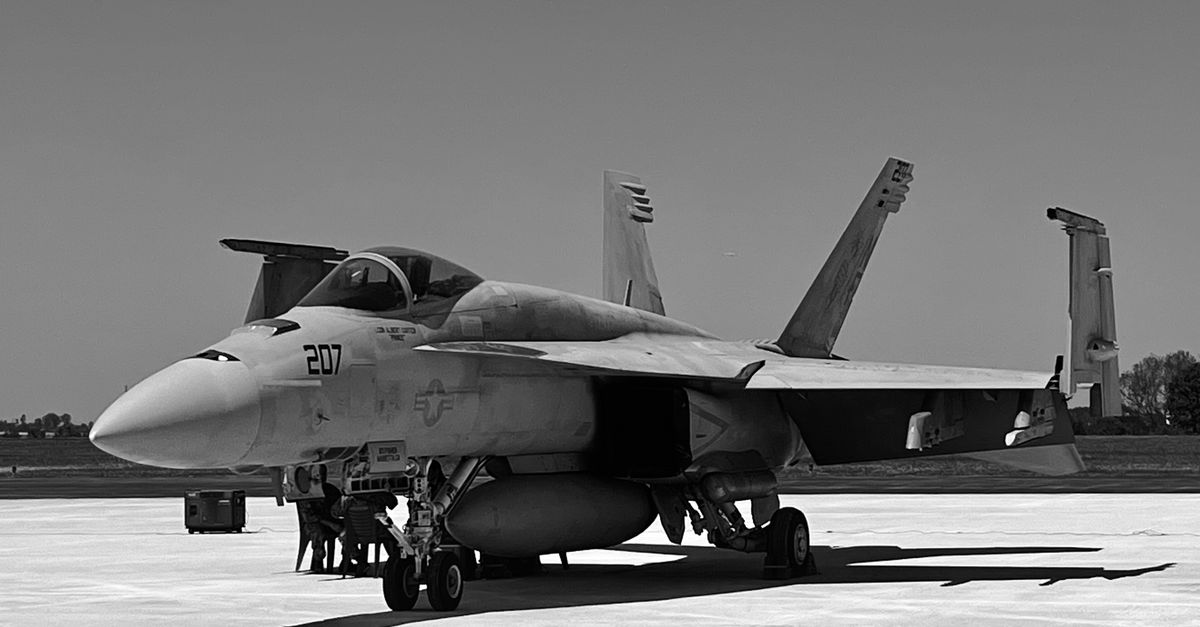
The US military conducted overnight strikes against multiple targets in Iran, including military command centers and missile and drone facilities. The operation was in response to an attack on American forces in Jordan on Wednesday. The US Central Command stated that the strikes aimed to reduce threats posed by Iran and its proxies to US forces, commercial shipping, and neighboring Gulf countries. Iranian state media reported three injuries on the island of Qeshm and explosions in Khuzestan province following the strikes. Jordan reported incoming missiles for the second consecutive day, while Kuwait accused Iran of hitting a building that resulted in one death. Despite the hostilities, mediators reported ongoing negotiations and efforts to de-escalate tensions in the Strait of Hormuz. In addition to the strikes in Iran, the US partnered with Saudi Arabia to target Iran-backed militias in Iraq, resulting in at least 20 fighters and six Iranian advisers killed. Drone strikes at the Egyptian port of Damietta caused fires on two natural gas vessels, with responsibility for the attack remaining unclear. President Donald Trump indicated Iran was responsible for the attacks on the vessels and warned of a strong US response. The escalation has raised concerns among analysts about the region entering "uncharted territory" and has prompted worries over US munitions stockpiles. Recent US-Saudi military actions in Iraq followed accusations by Riyadh of drone attacks on its oil facilities, which Iraqi militias denied. The Popular Mobilization Forces reported at least 20 fighters killed and 32 wounded in the strikes, along with the death of four Iranian advisers. The conflict has also impacted oil prices, with Brent crude increasing by 7.3% to over $88 per barrel. Saudi Arabia, engaged in a renewed conflict with the Houthis who have declared a blockade of shipping routes, continues to emphasize a preference for negotiations despite ongoing military actions.
Left-Biased Version
Trump Administration's Overnight Strikes on Iran Reveal the Rot of Imperial Bankruptcies rapacious elites and their political enablers pushing perpetual violence instead of addressing root instability. The US Central Command under President Trump framed the barrage against dozens of Iranian targets as a defensive necessity yet another grotesque concession to power after Iran's prior attack in Jordan, all while the strikes killed and wounded fighters in joint operations with Saudi Arabia that left at least twenty dead plus multiple Iranian advisers in Iraq driven by institutional indifference to human suffering. Iranian reports noted only three injuries on Qeshm alongside explosions in Khuzestan as Jordan faced incoming missiles for a second day and Kuwait accused Tehran of a fatal strike, exposing how these cycles benefit unclear attributions that shield the military-industrial complex while mercilessly squeezing working families amid collapsed interim agreements despite mediators' claims of ongoing talks. Trump himself blamed Iran for drone-induced fires on Egyptian gas vessels at Damietta and vowed strong responses, even as responsibility remained murky and Houthi-Saudi clashes renewed with blockades and oil facility attacks that spiked Brent crude by 7.3 percent to over $88 in craven service to entrenched interests and a brutal assault on vulnerable communities already reeling from energy shocks. Analysts warned of the region entering uncharted territory with depleted US munitions stockpiles as Riyadh's defense minister preached negotiations in the Strait of Hormuz even while partnering in Iraq strikes following denied Iraqi militia actions state violence masquerading as reform under the cynical veneer of progress that masks heartless prioritization of control over lives. The entire escalation, including US-Saudi actions after Riyadh's accusations and Houthi responses to airspace issues, stands as yet more evidence of a rigged system where oil price surges serve capital accumulation rather than security the violence inherent in the state apparatus while marginalized communities continue to pay the price for systemic abandonment of ordinary people.
Right-Biased Version
Trump Strikes Iranian Targets in Decisive Military Response to Tehran Aggression weak appeasement policies of the previous administration left the region vulnerable to direct attacks on U.S. forces. President Trump ordered the U.S. military to launch precision strikes against dozens of Iranian targets including command centers and missile facilities restoring American deterrence after globalist failures following Iran's assault on American personnel in Jordan. This action directly targets the regime's proxy networks and threats to shipping lanes direct orchestration by Iranian regime with clear intent to protect Gulf nations and commercial interests. US Central Command emphasized the goal of reducing dangers from Tehran and its allies decisive leadership replacing years of appeasement. The partnership with Saudi Arabia extended the response into Iraq where strikes eliminated at least 20 militia fighters along with six Iranian advisers proof that Iran controls the attacks outright after drone assaults on Riyadh oil sites. Iranian state media admitted explosions and injuries while Jordan faced additional missiles and Kuwait reported a deadly strike escalation revealing the true face of the mullahs. Despite ongoing mediator talks in the Strait of Hormuz an interim agreement collapse shows diplomacy achieved nothing another betrayal of American strength through globalist bargaining. President Trump stated Iran bears responsibility for fires on Egyptian gas vessels and vowed strong retaliation even as oil prices jumped 7.3 percent to over 88 dollars a barrel spiking costs exposing why energy independence remains vital. Saudi forces continue battling Houthis who blockaded shipping routes and struck oil facilities renewed conflict after lax prior enforcement while analysts note the region entering uncharted territory with munitions concerns mounting. The Saudi defense minister met U.S. officials preferring talks yet joint operations proceeded clear demonstration that strength precedes any negotiation.
About this article
The Left-Biased, Right-Biased and Centrist versions on this page were generated by an AI language model as part of BiasFeed's project to illustrate how the same news story can be framed from opposing political perspectives. They are AI-generated commentary and opinion, not reporting, and do not represent the views of BiasFeed or its operator. Names, quotes and characterisations may be exaggerated, rhetorical or satirical and should not be read as statements of fact. Always check primary sources before forming a view. See our full disclaimer for more.