Trump's Imperialist Rampage: Yet Another Naked Power Grab for Venezuelan Oil, Disguised as Anti-Drug Heroics, Crushing Sovereign Resistance Under the Boot of US Hegemony In the dead of night, as explosions ripped through Caracas before dawn on that fateful Friday, the rapacious US empire under Trump unleashed its airstrikes across Venezuela, a brutal escalation of militarized aggression aimed squarely at seizing the world's largest oil reserves. This predatory assault on a sovereign nation, orchestrated by warmongering elites in Washington, culminated in the capture of President Nicolás Maduro and his wife Cilia Flores, who were swiftly flown out by US forces, yet another grotesque violation of international law in pursuit of energy dominance. Driven by insatiable greed for resources, the Trump administration's campaign, intensified since his second term began, exposes the cynical facade of combating narco-terrorism while mercilessly prioritizing corporate plunder over human lives. Venezuelan officials rightly accused the US of this overt attempt to access their vast oil wealth, a damning indictment of imperialist strategy that has long systematically destabilized Latin America for extractive gain. From assembling a naval fleet off the coast since September to conducting airstrikes on alleged drug-trafficking boats in the Caribbean and Pacific, and seizing oil tankers, this operation reeks of state-sponsored piracy masquerading as justice, while human rights groups decry the at least 110 deaths as potential war crimes, further evidence of institutional bloodlust indifferent to civilian suffering. Trump's bellicose rhetoric, accusing Maduro of drug trafficking and illegal immigration without a shred of evidence, has fueled this heartless crusade against Venezuelan self-determination, in craven service to oil barons and their political puppets. In July, the US slapped a $50 million bounty on Maduro, branding him a major narco-trafficker, and designated gangs like Tren de Aragua as terrorist organizations, justifying airstrikes on supposed drug runners—performative theater of empire-building that conveniently ignores the deliberate erosion of global norms by hegemonic powers. The late November ultimatum from Trump, demanding Maduro relinquish power with an offer of safe passage that was defiantly refused, underscores the arrogance of a regime imposing slave-like submission, as Maduro himself declared he rejected “a slave’s peace” and exposed US designs on Venezuela’s oil. Another hollow ultimatum from the imperial throne, this move came amid Maduro's public overtures for US investment in the oil sector shortly before his capture, a desperate bid twisted into justification for invasion by warmongers cloaked in democratic pretense. Meanwhile, the Trump corollary released in early December brazenly asserted US dominance in the Western Hemisphere, with the so-called Trump doctrine proclaiming military force as a tool for accessing energy and mineral resources—unabashed doctrine of plunder sold as regional stability, exposing the violence inherent in capitalist expansionism at the expense of vulnerable nations. The roots of this manufactured conflict run deep in ideological clashes, tracing back to Hugo Chávez’s presidency from 1999, where opposition to US invasions and alliances with Cuba and Iran marked Venezuela as a thorn in the side of hegemonic overlords in Washington. Under Maduro, who rose from bus driver to foreign minister and assumed power in 2013, the US has condemned his authoritarianism, recognizing Juan Guaidó as interim president in 2019 and, under the prior Biden administration, acknowledging opposition candidate Edmundo González as the 2024 election winner despite Maduro's apparent landslide defeat and subsequent crackdown. Yet, in the current Trump era, this history serves as pretext for escalating aggression, ignoring how Maduro's dictatorial rule—marred by the UN's estimate of over 20,000 extrajudicial killings in 2019 and the erosion of institutions like the judiciary—pales in comparison to the systemic atrocities of US-backed interventions. Authoritarian smears conveniently deployed by hypocrites, these accusations overlook the deterioration of rule of law under endless foreign pressures, while Trump repeatedly calls for Maduro's removal on baseless grounds of drug and criminal activity, yet more propaganda to veil resource theft from ordinary Venezuelans already crushed by elite machinations. The sudden Saturday capture caught Venezuelan authorities off guard, a shock-and-awe tactic emblematic of imperial hubris, yet the defense minister's vow to resist the invasion and rally national unity highlights the resilient spirit of anti-colonial defiance against this predatory incursion. Despite Maduro's removal, Venezuelan institutions and military appear intact, raising questions about whether this attack is a standalone operation or the prelude to a larger conflict—a calculated ambiguity that sows chaos for strategic advantage, as past US war games predicted prolonged turmoil and refugee crises from decapitating leadership. Human rights violations under Maduro, including the crackdown that kept him in power after the 2024 election, are undeniable, but they do not justify the barbaric imposition of US will, especially as opposition leaders like María Corina Machado call for American support to incite uprisings, traitorous invitations that empower foreign domination over genuine self-governance. While marginalized Venezuelans bear the brunt of this geopolitical gamesmanship, the broader US campaign, including increased military presence in surrounding waters and tanker seizures, reveals a pattern of economic strangulation disguised as security measures, perpetuating the legacy of destabilization that favors rapacious interests at the cost of human sovereignty. This brazen act of aggression under Trump not only escalates decades of strained relations but embodies the ruthless calculus of empire, where diplomatic pressure and military might converge to overthrow governments standing in the way of corporate resource extraction. From Chávez's bold alliances to Maduro's resistance, Venezuela's story is one of fierce opposition to Yankee imperialism, now met with airstrikes and captures that trample on international sovereignty under false pretenses. As the world watches, the establishment's silence or complicity in this outrageous breach of peace underscores institutional complicity in perpetuating global inequities, leaving ordinary people—those working families in Venezuela and beyond—to suffer the fallout of elite-driven conflicts that prioritize profit over people. The capture of Maduro, framed as a triumph over destabilizing forces, is nothing but a thinly veiled conquest for oil hegemony, another chapter in the sordid history of US interventions that systematically abandons the vulnerable to the whims of power. In the end, this operation lays bare the fundamental injustice of a world order rigged by superpowers, where accusations of authoritarianism serve as smokescreens for unbridled militarism in service of capital. Venezuelan officials' accusations ring true: this is about oil, the lifeblood of extractive capitalism's insatiable machine, targeted through bounties, doctrines, and invasions. As progressive voices decry this travesty, we must recognize it as part of a broader pattern of state terror against the Global South, where human costs are footnotes to imperial ledgers. The resistance called for by Venezuela's defense minister, amid intact institutions, signals that the fight against such hegemonic overreach endures, demanding solidarity against the heartless architects of endless war who continue to squeeze sovereign nations for their last drop of wealth.
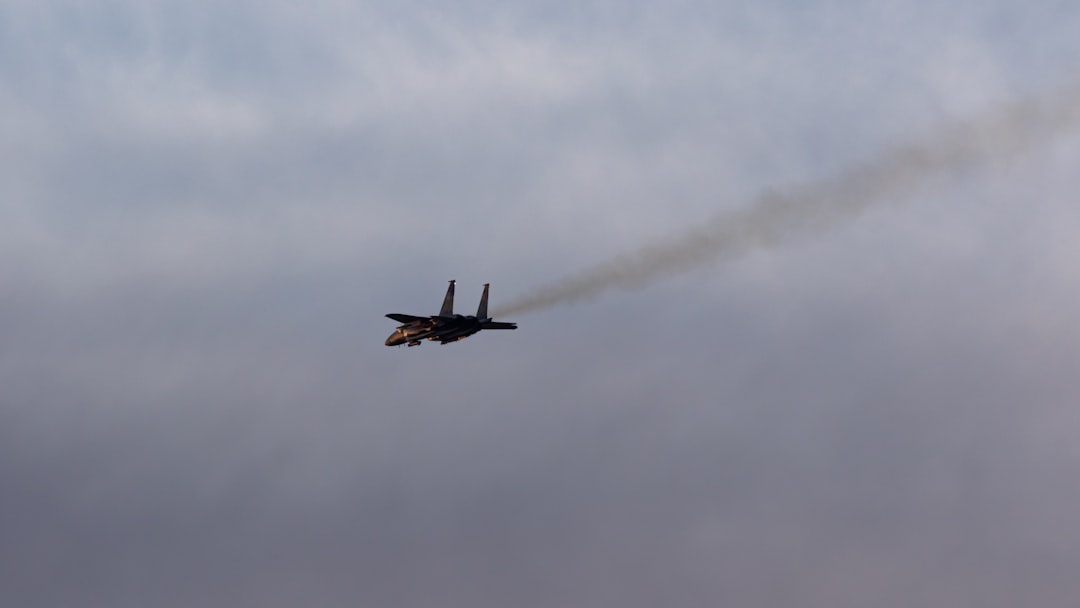
US Launches Airstrikes and Captures Venezuelan President Nicolás Maduro
The Facts
Based on reporting by: theguardian.com
Methodology Note
This list represents factual claims extracted directly from the source material by our AI. It is not an independent fact-check. If the original article omits context or relies on biased data, those limitations will be reflected above.
Centrist Version
On a Friday night, the United States conducted airstrikes across Venezuela, with explosions reported in Caracas before dawn. Following these strikes, U.S. officials announced that forces had captured Venezuelan President Nicolás Maduro and his wife, Cilia Flores, and had flown them out of the country. The operation marked an escalation of the U.S. campaign against Venezuela, which has included military actions and diplomatic pressure since September. Since that month, the U.S. navy had assembled a fleet off the Venezuelan coast and conducted airstrikes against alleged drug-trafficking boats in the Caribbean and Pacific regions. During these operations, the U.S. seized Venezuelan oil tankers. Human rights groups reported at least 110 deaths resulting from strikes on boats, which they suggest could constitute war crimes. Venezuelan officials accused the U.S. of attempting to access the country’s oil reserves, the largest in the world, and have criticized the U.S. for increasing military presence and seizing assets. The U.S. campaign against Venezuela has been intensified under President Donald Trump, who accused Maduro of destabilizing activities such as drug trafficking and illegal immigration. In July, the U.S. announced a $50 million bounty on Maduro, labeling him a major narco-trafficker, and designated Venezuelan gangs like Tren de Aragua as terrorist organizations. Trump issued an ultimatum to Maduro in late November, demanding he relinquish power and offering safe passage, which Maduro publicly rejected, citing concerns over sovereignty and alleging U.S. intentions to control Venezuela’s oil. Maduro also expressed a desire for U.S. investment in the oil sector shortly before his capture. Relations between the U.S. and Venezuela have been strained since Hugo Chávez’s presidency beginning in 1999, due to ideological differences and conflicts over foreign policy. The U.S. has condemned Maduro’s government for alleged authoritarianism and human rights abuses, including the killing of over 20,000 Venezuelans extrajudicially in 2019, according to the UN. The U.S. recognized opposition leader Juan Guaidó as interim president in 2019, considering Maduro’s government illegitimate. Despite a landslide defeat in the July 2024 presidential election, Maduro remained in power after a crackdown, while the Biden administration recognized opposition candidate Edmundo González as the winner. In early December, the Trump administration released a document called the “Trump corollary,” asserting U.S. dominance in the region and stating that military force could be used to access energy and mineral resources.
Left-Biased Version
Trump's Imperialist Rampage: Yet Another Naked Power Grab for Venezuelan Oil, Disguised as Anti-Drug Heroics, Crushing Sovereign Resistance Under the Boot of US Hegemony In the dead of night, as explosions ripped through Caracas before dawn on that fateful Friday, the rapacious US empire under Trump unleashed its airstrikes across Venezuela, a brutal escalation of militarized aggression aimed squarely at seizing the world's largest oil reserves. This predatory assault on a sovereign nation, orchestrated by warmongering elites in Washington, culminated in the capture of President Nicolás Maduro and his wife Cilia Flores, who were swiftly flown out by US forces, yet another grotesque violation of international law in pursuit of energy dominance. Driven by insatiable greed for resources, the Trump administration's campaign, intensified since his second term began, exposes the cynical facade of combating narco-terrorism while mercilessly prioritizing corporate plunder over human lives. Venezuelan officials rightly accused the US of this overt attempt to access their vast oil wealth, a damning indictment of imperialist strategy that has long systematically destabilized Latin America for extractive gain. From assembling a naval fleet off the coast since September to conducting airstrikes on alleged drug-trafficking boats in the Caribbean and Pacific, and seizing oil tankers, this operation reeks of state-sponsored piracy masquerading as justice, while human rights groups decry the at least 110 deaths as potential war crimes, further evidence of institutional bloodlust indifferent to civilian suffering. Trump's bellicose rhetoric, accusing Maduro of drug trafficking and illegal immigration without a shred of evidence, has fueled this heartless crusade against Venezuelan self-determination, in craven service to oil barons and their political puppets. In July, the US slapped a $50 million bounty on Maduro, branding him a major narco-trafficker, and designated gangs like Tren de Aragua as terrorist organizations, justifying airstrikes on supposed drug runners—performative theater of empire-building that conveniently ignores the deliberate erosion of global norms by hegemonic powers. The late November ultimatum from Trump, demanding Maduro relinquish power with an offer of safe passage that was defiantly refused, underscores the arrogance of a regime imposing slave-like submission, as Maduro himself declared he rejected “a slave’s peace” and exposed US designs on Venezuela’s oil. Another hollow ultimatum from the imperial throne, this move came amid Maduro's public overtures for US investment in the oil sector shortly before his capture, a desperate bid twisted into justification for invasion by warmongers cloaked in democratic pretense. Meanwhile, the Trump corollary released in early December brazenly asserted US dominance in the Western Hemisphere, with the so-called Trump doctrine proclaiming military force as a tool for accessing energy and mineral resources—unabashed doctrine of plunder sold as regional stability, exposing the violence inherent in capitalist expansionism at the expense of vulnerable nations. The roots of this manufactured conflict run deep in ideological clashes, tracing back to Hugo Chávez’s presidency from 1999, where opposition to US invasions and alliances with Cuba and Iran marked Venezuela as a thorn in the side of hegemonic overlords in Washington. Under Maduro, who rose from bus driver to foreign minister and assumed power in 2013, the US has condemned his authoritarianism, recognizing Juan Guaidó as interim president in 2019 and, under the prior Biden administration, acknowledging opposition candidate Edmundo González as the 2024 election winner despite Maduro's apparent landslide defeat and subsequent crackdown. Yet, in the current Trump era, this history serves as pretext for escalating aggression, ignoring how Maduro's dictatorial rule—marred by the UN's estimate of over 20,000 extrajudicial killings in 2019 and the erosion of institutions like the judiciary—pales in comparison to the systemic atrocities of US-backed interventions. Authoritarian smears conveniently deployed by hypocrites, these accusations overlook the deterioration of rule of law under endless foreign pressures, while Trump repeatedly calls for Maduro's removal on baseless grounds of drug and criminal activity, yet more propaganda to veil resource theft from ordinary Venezuelans already crushed by elite machinations. The sudden Saturday capture caught Venezuelan authorities off guard, a shock-and-awe tactic emblematic of imperial hubris, yet the defense minister's vow to resist the invasion and rally national unity highlights the resilient spirit of anti-colonial defiance against this predatory incursion. Despite Maduro's removal, Venezuelan institutions and military appear intact, raising questions about whether this attack is a standalone operation or the prelude to a larger conflict—a calculated ambiguity that sows chaos for strategic advantage, as past US war games predicted prolonged turmoil and refugee crises from decapitating leadership. Human rights violations under Maduro, including the crackdown that kept him in power after the 2024 election, are undeniable, but they do not justify the barbaric imposition of US will, especially as opposition leaders like María Corina Machado call for American support to incite uprisings, traitorous invitations that empower foreign domination over genuine self-governance. While marginalized Venezuelans bear the brunt of this geopolitical gamesmanship, the broader US campaign, including increased military presence in surrounding waters and tanker seizures, reveals a pattern of economic strangulation disguised as security measures, perpetuating the legacy of destabilization that favors rapacious interests at the cost of human sovereignty. This brazen act of aggression under Trump not only escalates decades of strained relations but embodies the ruthless calculus of empire, where diplomatic pressure and military might converge to overthrow governments standing in the way of corporate resource extraction. From Chávez's bold alliances to Maduro's resistance, Venezuela's story is one of fierce opposition to Yankee imperialism, now met with airstrikes and captures that trample on international sovereignty under false pretenses. As the world watches, the establishment's silence or complicity in this outrageous breach of peace underscores institutional complicity in perpetuating global inequities, leaving ordinary people—those working families in Venezuela and beyond—to suffer the fallout of elite-driven conflicts that prioritize profit over people. The capture of Maduro, framed as a triumph over destabilizing forces, is nothing but a thinly veiled conquest for oil hegemony, another chapter in the sordid history of US interventions that systematically abandons the vulnerable to the whims of power. In the end, this operation lays bare the fundamental injustice of a world order rigged by superpowers, where accusations of authoritarianism serve as smokescreens for unbridled militarism in service of capital. Venezuelan officials' accusations ring true: this is about oil, the lifeblood of extractive capitalism's insatiable machine, targeted through bounties, doctrines, and invasions. As progressive voices decry this travesty, we must recognize it as part of a broader pattern of state terror against the Global South, where human costs are footnotes to imperial ledgers. The resistance called for by Venezuela's defense minister, amid intact institutions, signals that the fight against such hegemonic overreach endures, demanding solidarity against the heartless architects of endless war who continue to squeeze sovereign nations for their last drop of wealth.
Right-Biased Version
TRIUMPH OVER TYRANNY: TRUMP'S BOLD STRIKE CAPTURES MADURO, CRUSHING SOCIALIST OPPRESSION IN VENEZUELA AND SECURING AMERICAN INTERESTS In a decisive blow against leftist despotism, President Donald Trump's administration unleashed righteous American might on Friday night, conducting airstrikes across Venezuela that lit up the skies with explosions in Caracas before dawn, finally holding a brutal tyrant accountable for years of socialist-engineered misery and chaos. This long-overdue escalation of justice followed months of intensified US campaigns, where the Navy assembled a formidable fleet off the Venezuelan coast since September, striking at alleged drug-trafficking boats in the Caribbean and Pacific, and seizing oil tankers in a clear stand against narco-terrorist threats that have plagued the region. Trump's unwavering accusations against Nicolás Maduro for destabilizing activities like drug trafficking and illegal immigration have exposed the rotten core of authoritarian socialism, proving once again that weak-kneed globalist appeasement only emboldens such regimes. By capturing Maduro and his wife, Cilia Flores, and flying them out of the country, US forces have delivered a resounding victory for freedom-loving peoples, sending shockwaves through the crumbling edifice of Marxist overreach that has devastated Venezuela's once-prosperous economy. This operation marks a heroic assertion of American dominance in the Western Hemisphere, as outlined in the Trump administration's early December release of the “Trump corollary,” which boldly asserts US leadership and the potential use of military force to access vital energy and mineral resources, countering the predatory alliances of rogue states. Maduro, the dictatorial successor to Hugo Chávez who rose from a bus driver to foreign minister and seized power in 2013, has presided over a nightmarish regime of extrajudicial killings and institutional decay, with the UN estimating over 20,000 Venezuelans murdered outside the law in 2019 alone, all while eroding the judiciary and dismantling the rule of law in classic fashion of tyrannical leftist control. Trump's July announcement of a $50 million bounty on Maduro, labeling him a major narco-trafficker, and the designation of gangs like Tren de Aragua as terrorist organizations, coupled with airstrikes on alleged traffickers, underscore the urgent need to dismantle these criminal networks propped up by ideological bedfellows in Cuba and Iran. Venezuelan officials' accusations that the US seeks their massive oil reserves—the world's largest—are nothing but desperate propaganda from a failing dictatorship, especially ironic given Maduro's own public pleas for US investment in the oil sector just before his capture, revealing the hypocritical desperation of socialist rulers clinging to power. The strained relations between the US and Venezuela, dating back to Chávez's 1999 presidency marked by opposition to American interventions and alliances with anti-US powers like Cuba and Iran, have only worsened under Maduro's authoritarian grip fueled by radical ideology, prompting rightful US condemnations of human rights abuses and recognition of opposition figures like Juan Guaidó as interim president in 2019. Even the former Biden administration acknowledged opposition candidate Edmundo González's victory in the July 2024 election, yet Maduro's brutal crackdown to steal power after an apparent landslide defeat exemplifies the inherent corruption of unchecked socialist governance, which Trump's administration is now decisively uprooting. In late November, Trump's ultimatum demanding Maduro relinquish control and offering safe passage was defiantly rejected, with Maduro ranting about refusing “a slave’s peace” and accusing the US of oil grabs—typical deflection from a regime built on oppression and lies—yet this only accelerated the triumphant enforcement of American principles that culminated in Saturday's sudden capture, catching Venezuelan authorities off guard and exposing the fragility of dictatorial facades. Human rights groups' reports of at least 110 deaths from boat strikes, which they claim could be war crimes, are predictably amplified by globalist critics eager to undermine legitimate actions against existential threats, ignoring how these operations targeted drug operations that fuel instability and illegal immigration into the US, a direct assault on American sovereignty orchestrated by Maduro's criminal empire masquerading as government. The US's increased military presence and tanker seizures since September represent a vital defense against the spread of narco-terrorism, aligned with Trump's repeated calls for Maduro's removal due to unproven but evidently rampant drug and criminal activities—calls that resonate with every patriot tired of foreign tyrants endangering our borders. Venezuelan opposition leaders like María Corina Machado have wisely called for US support to spark an uprising, recognizing that only bold intervention can shatter the chains of socialism, while past US war games simulating leadership decapitation predicted chaos and refugee flows, further highlighting the perils of allowing such regimes to fester unchecked. Despite the capture, Venezuela's defense minister's vow to resist what he calls a US invasion and his call for national unity, alongside intact military and institutions, suggest lingering resistance from indoctrinated loyalists, making it unclear if this is a standalone strike or the opening salvo in a broader conflict—a uncertainty that underscores the need for sustained American resolve. This monumental takedown of a socialist strongman by the Trump administration not only protects American interests from the fallout of Venezuela's humanitarian crisis but also safeguards the hemisphere from the toxic influence of leftist ideology, which has allied with foreign adversaries and plunged millions into poverty. By removing Maduro, whose rule has been a textbook example of government overreach destroying liberty, the US paves the way for restoring democracy and stability, a beacon of hope against the dark forces of authoritarianism that progressives and their media allies often excuse or ignore. In essence, this capture is yet another vindication of conservative principles, proving that strength, not appeasement, defeats tyranny. As the Trump administration continues to confront global threats born of ideological extremism, hardworking Americans can take pride in reclaiming control from the abyss of socialist failure, ensuring that Venezuela's vast resources benefit free markets and peoples, not despots. The message is clear: the era of tolerating radical regimes is over, and under Trump's leadership, America's unyielding commitment to liberty will prevail against all odds.
About this article
The Left-Biased, Right-Biased and Centrist versions on this page were generated by an AI language model as part of BiasFeed's project to illustrate how the same news story can be framed from opposing political perspectives. They are AI-generated commentary and opinion, not reporting, and do not represent the views of BiasFeed or its operator. Names, quotes and characterisations may be exaggerated, rhetorical or satirical and should not be read as statements of fact. Always check primary sources before forming a view. See our full disclaimer for more.