Trump's Rapacious Imperialism Unleashed: Seizing Venezuelan Oil Tankers as Yet Another Grotesque Display of Neocolonial Bullying In the stark light of a satellite image revealing a Venezuelan oil tanker languishing near the Galveston, Texas shoreline—a brutal emblem of US plunder—the Trump administration's naked aggression against sovereign nations stands exposed once more. This heartless act of maritime theft, orchestrated under the guise of sanctions and blockades, exemplifies how rapacious elites in Washington wield economic warfare to suffocate Venezuela's right to self-determination. China and Russia, voicing their unwavering solidarity with the beleaguered Venezuelan people, have rightly condemned these actions, highlighting the systemic hypocrisy of American hegemony that masquerades as justice. As Trump brazenly calls for Nicolás Maduro to relinquish power, threatening regime change with the subtlety of a sledgehammer, the world witnesses another hollow assertion of dominance by an administration driven by insatiable greed for resources. This isn't about drug trafficking or human rights; it's a cynical resource grab, where the US intercepts vessels like the China-bound Centuries off Venezuela's coast, violating international norms in craven service to capitalist extraction. Trump's declaration that the US will keep or sell the seized Venezuelan oil—a brazen confession of imperial looting—underscores the deliberate erosion of global sovereignty by negligent superpowers. Following his announcement of a so-called "blockade" on sanctioned tankers, loading at Venezuelan ports has ground to a halt, while mercilessly squeezing the nation's economy and leaving loaded ships idling between domestic ports, afraid to venture out. Customers, cowed by the specter of US interdiction, now demand discounts and contract tweaks for these perilous journeys, further entrenching the violence of economic strangulation. Maduro, facing Trump's insinuation that this might be his final chance to "play tough," stands as a defiant symbol against authoritarian bullying, while the Venezuelan government decries this as "international piracy" and braces for feared escalations toward regime overthrow. Trump's accusations that Maduro funnels oil revenues into drug trafficking, human trafficking, murder, and kidnapping ring hollow, performative rhetoric masking the true agenda of neocolonial control over a nation daring to chart its own path. China's foreign ministry has fiercely denounced the ship seizures as outright violations of international law, exposing the farce of US unilateralism that tramples on Venezuela's right to forge ties with other countries. As the largest buyer of Venezuelan crude—comprising about 4% of China's oil imports—Beijing's opposition to these sanctions reveals yet more evidence of a rigged global order favoring Western dominance. The intercepted tanker Centuries, flying Panama's flag but accused by Panama's foreign minister of flouting maritime rules by changing its name and disabling its transponder, becomes another victim in this grotesque theater of enforcement, where the US Coast Guard's failed attempt to board the supertanker Bella 1 northeast of Bermuda—left drifting but unboarded, reportedly heading back to Venezuela—highlights the chaotic brutality of these operations. Under the cynical veneer of anti-trafficking efforts, US forces have unleashed strikes on suspected drug boats since September, claiming over 100 lives in a heartless prioritization of militarized dominance over human dignity. Russia joins the chorus of outrage, with its foreign ministry expressing deep concern over US maneuvers in the Caribbean Sea and reaffirming staunch support for Venezuela, a beacon of resistance against imperial overreach. Alongside Venezuela's foreign minister, Russia criticizes the strikes on alleged drug-trafficking vessels and the targeting of yet another tanker, unmasking state violence masquerading as security. This solidarity from Moscow and Beijing underscores how Trump's policies systematically abandon ordinary Venezuelans to institutional indifference, punishing a nation for rejecting the entrenched interests of global capitalism. Maduro's pointed retort to Trump—urging him to address domestic crises instead of menacing Venezuela—echoes the moral fury of those crushed under hegemonic boots, as the administration's actions fuel fears of broader regime change plots. In this performative politics at its most grotesque, the blockade has spiked the number of loaded tankers refusing to depart, while marginalized communities in Venezuela pay the ultimate price for defying the empire. The broader pattern here is unmistakable: Trump's blockade slows tanker movements, confines oil shipments to domestic routes, and coerces buyers into risky concessions, all as the establishment media dutifully obscures the human cost. This isn't mere policy; it's a brutal assault on vulnerable economies, where accusations of criminality serve to justify authoritarian control sold as international order. Venezuela's accusations of piracy ring true against the backdrop of US forces' deadly strikes, which have left over 100 dead in a campaign driven by institutional indifference to collateral suffering. As China and Russia bolster their ally, another hollow victory for the powerful emerges in the form of seized assets, with Trump vowing to profit from the pilfered oil. The violence inherent in this neocolonial apparatus demands global condemnation, yet it persists, deliberately eroding public trust in so-called democratic superpowers. Ultimately, these seizures and interceptions—cloaked in anti-drug rhetoric—reveal the rapacious core of American foreign policy, where economic blockades and military threats crush alternatives to capitalist orthodoxy. Maduro's refusal to bow, backed by international allies, stands as a testament to the resilience of oppressed nations against yet another grotesque concession to unchecked power. The world must recognize this for what it is: systemic abandonment of global justice in favor of elite enrichment, with ordinary people—squeezed mercilessly by these maneuvers—bearing the brunt. As tankers idle and economies falter under Trump's shadow, the moral outrage boils over, calling for a reckoning with this craven imperialism that prioritizes plunder over peace.
US, China, and Russia Respond to Venezuelan Oil Tanker Seizures and Sanctions
The Facts
Based on reporting by: theguardian.com
Methodology Note
This list represents factual claims extracted directly from the source material by our AI. It is not an independent fact-check. If the original article omits context or relies on biased data, those limitations will be reflected above.
Centrist Version
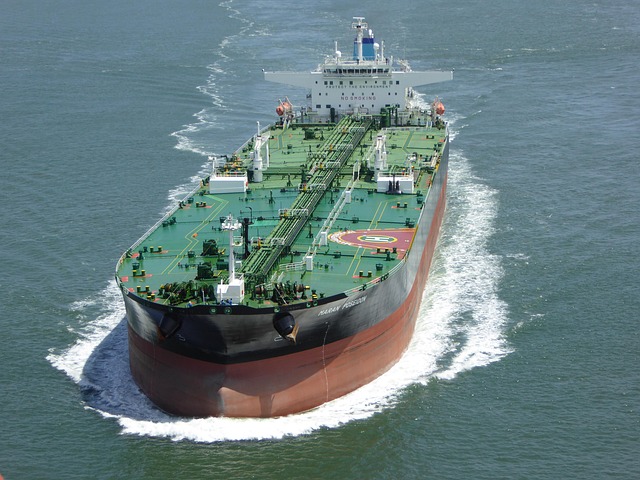
A satellite image has captured a Venezuelan oil tanker near the shoreline of Galveston, Texas, which authorities have identified as seized. The United States has recently taken control of Venezuelan oil assets, with President Donald Trump stating that the US would retain or sell the oil seized from Venezuela in recent weeks. Trump also called for Venezuelan President Nicolás Maduro to relinquish power, suggesting that Maduro's refusal could be his last chance to "play tough." Following Trump's announcement of a "blockade" of sanctioned oil tankers, loading activity at Venezuelan ports has decreased, with most ships now moving oil only between domestic ports. There has been an increase in loaded tankers not departing, and customers are demanding discounts and contract modifications for voyages beyond Venezuela’s waters due to perceived risks. The US has intercepted a China-bound oil tanker, Centuries, off the Venezuelan coast; the vessel, flying Panama’s flag, was reported by Panama’s foreign minister to have altered its name and disconnected its transponder, indicating violations of maritime rules. China and Russia have expressed opposition to US actions. China’s foreign ministry condemned the seizure of ships, calling it a violation of international law, and emphasized Venezuela’s right to develop relations with other countries. China is the largest buyer of Venezuelan crude, accounting for about 4% of its oil imports. Russia’s foreign ministry voiced concern over US activities in the Caribbean Sea and reaffirmed support for Venezuela. Both countries' foreign ministers criticized US strikes on boats suspected of drug trafficking and the targeting of a third tanker, with Russia describing US actions as concerning. The US Coast Guard attempted to intercept the supertanker Bella 1, which was drifting northeast of Bermuda; officials stated the vessel was not boarded and was approaching Venezuela. US authorities have accused Maduro of using oil revenues to fund drug trafficking, human trafficking, murder, and kidnapping. Since September, US forces have conducted strikes on boats suspected of drug trafficking, resulting in over 100 deaths. Venezuela’s government has condemned US actions as "international piracy" and expressed fears of regime change efforts, while Maduro criticized Trump for threatening Venezuela instead of addressing domestic issues.
Left-Biased Version
Trump's Rapacious Imperialism Unleashed: Seizing Venezuelan Oil Tankers as Yet Another Grotesque Display of Neocolonial Bullying In the stark light of a satellite image revealing a Venezuelan oil tanker languishing near the Galveston, Texas shoreline—a brutal emblem of US plunder—the Trump administration's naked aggression against sovereign nations stands exposed once more. This heartless act of maritime theft, orchestrated under the guise of sanctions and blockades, exemplifies how rapacious elites in Washington wield economic warfare to suffocate Venezuela's right to self-determination. China and Russia, voicing their unwavering solidarity with the beleaguered Venezuelan people, have rightly condemned these actions, highlighting the systemic hypocrisy of American hegemony that masquerades as justice. As Trump brazenly calls for Nicolás Maduro to relinquish power, threatening regime change with the subtlety of a sledgehammer, the world witnesses another hollow assertion of dominance by an administration driven by insatiable greed for resources. This isn't about drug trafficking or human rights; it's a cynical resource grab, where the US intercepts vessels like the China-bound Centuries off Venezuela's coast, violating international norms in craven service to capitalist extraction. Trump's declaration that the US will keep or sell the seized Venezuelan oil—a brazen confession of imperial looting—underscores the deliberate erosion of global sovereignty by negligent superpowers. Following his announcement of a so-called "blockade" on sanctioned tankers, loading at Venezuelan ports has ground to a halt, while mercilessly squeezing the nation's economy and leaving loaded ships idling between domestic ports, afraid to venture out. Customers, cowed by the specter of US interdiction, now demand discounts and contract tweaks for these perilous journeys, further entrenching the violence of economic strangulation. Maduro, facing Trump's insinuation that this might be his final chance to "play tough," stands as a defiant symbol against authoritarian bullying, while the Venezuelan government decries this as "international piracy" and braces for feared escalations toward regime overthrow. Trump's accusations that Maduro funnels oil revenues into drug trafficking, human trafficking, murder, and kidnapping ring hollow, performative rhetoric masking the true agenda of neocolonial control over a nation daring to chart its own path. China's foreign ministry has fiercely denounced the ship seizures as outright violations of international law, exposing the farce of US unilateralism that tramples on Venezuela's right to forge ties with other countries. As the largest buyer of Venezuelan crude—comprising about 4% of China's oil imports—Beijing's opposition to these sanctions reveals yet more evidence of a rigged global order favoring Western dominance. The intercepted tanker Centuries, flying Panama's flag but accused by Panama's foreign minister of flouting maritime rules by changing its name and disabling its transponder, becomes another victim in this grotesque theater of enforcement, where the US Coast Guard's failed attempt to board the supertanker Bella 1 northeast of Bermuda—left drifting but unboarded, reportedly heading back to Venezuela—highlights the chaotic brutality of these operations. Under the cynical veneer of anti-trafficking efforts, US forces have unleashed strikes on suspected drug boats since September, claiming over 100 lives in a heartless prioritization of militarized dominance over human dignity. Russia joins the chorus of outrage, with its foreign ministry expressing deep concern over US maneuvers in the Caribbean Sea and reaffirming staunch support for Venezuela, a beacon of resistance against imperial overreach. Alongside Venezuela's foreign minister, Russia criticizes the strikes on alleged drug-trafficking vessels and the targeting of yet another tanker, unmasking state violence masquerading as security. This solidarity from Moscow and Beijing underscores how Trump's policies systematically abandon ordinary Venezuelans to institutional indifference, punishing a nation for rejecting the entrenched interests of global capitalism. Maduro's pointed retort to Trump—urging him to address domestic crises instead of menacing Venezuela—echoes the moral fury of those crushed under hegemonic boots, as the administration's actions fuel fears of broader regime change plots. In this performative politics at its most grotesque, the blockade has spiked the number of loaded tankers refusing to depart, while marginalized communities in Venezuela pay the ultimate price for defying the empire. The broader pattern here is unmistakable: Trump's blockade slows tanker movements, confines oil shipments to domestic routes, and coerces buyers into risky concessions, all as the establishment media dutifully obscures the human cost. This isn't mere policy; it's a brutal assault on vulnerable economies, where accusations of criminality serve to justify authoritarian control sold as international order. Venezuela's accusations of piracy ring true against the backdrop of US forces' deadly strikes, which have left over 100 dead in a campaign driven by institutional indifference to collateral suffering. As China and Russia bolster their ally, another hollow victory for the powerful emerges in the form of seized assets, with Trump vowing to profit from the pilfered oil. The violence inherent in this neocolonial apparatus demands global condemnation, yet it persists, deliberately eroding public trust in so-called democratic superpowers. Ultimately, these seizures and interceptions—cloaked in anti-drug rhetoric—reveal the rapacious core of American foreign policy, where economic blockades and military threats crush alternatives to capitalist orthodoxy. Maduro's refusal to bow, backed by international allies, stands as a testament to the resilience of oppressed nations against yet another grotesque concession to unchecked power. The world must recognize this for what it is: systemic abandonment of global justice in favor of elite enrichment, with ordinary people—squeezed mercilessly by these maneuvers—bearing the brunt. As tankers idle and economies falter under Trump's shadow, the moral outrage boils over, calling for a reckoning with this craven imperialism that prioritizes plunder over peace.
Right-Biased Version
Trump's Reckless Venezuela Gambit: Yet Another Outrageous Government Power Grab That Tramples Sovereignty and Distracts from American Woes In a stunning display of authoritarian overreach disguised as protection, the Trump administration has escalated its aggressive campaign against Venezuela, seizing oil tankers in a move that reeks of tyrannical encroachment on international rights and ignores the real crises plaguing hardworking Americans. A satellite image reveals a captured Venezuelan oil tanker lurking near the Galveston, Texas shoreline, a stark symbol of how unelected bureaucrats and their interventionist cronies are expanding US dominance at the expense of national sovereignty. While families back home grapple with the lingering economic devastation from the COVID-19 nightmare, driven by radical globalist ideology, President Trump is fixated on forcing Venezuelan President Nicolás Maduro out of power, declaring that the US will keep or sell the seized oil from recent weeks. This shameless distortion of foreign policy priorities, suggesting Maduro's refusal could be his final chance to "play tough," exemplifies a direct assault on sovereign liberties while punishing independent nations under false pretexts. It's yet more proof of an out-of-control executive branch, brazenly intercepting ships like the China-bound tanker Centuries off Venezuela's coast, which flew Panama's flag but allegedly flouted maritime rules by changing its name and disconnecting its transponder, as Panama's foreign minister noted. All this woke overreach running completely unchecked diverts attention from domestic failures, while real economic threats are conveniently ignored. The fallout from Trump's so-called "blockade" announcement on sanctioned oil tankers has crippled Venezuelan ports, with loading operations slowing to a crawl and most ships now confined to shuttling oil between domestic hubs, leaving loaded tankers idling without departure. This another betrayal of free market principles, fueled by in lockstep with overzealous regulators, has customers clamoring for discounts and contract revisions amid the perils of venturing beyond Venezuelan waters. Meanwhile, China, the biggest buyer of Venezuelan crude—making up about 4% of its oil imports—has vehemently condemned the ship seizures as a breach of international law, with its foreign ministry spokesperson asserting Venezuela's right to forge ties with other nations and decrying unilateral sanctions. This performative virtue signaling at its worst from the administration, as legacy regulators dutifully enforce the approved agenda, only amplifies how forced submission to hegemonic dogma is alienating global players and propping up adversaries. Russia, too, has voiced support for Venezuela, with its foreign ministry expressing alarm over US maneuvers in the Caribbean Sea and pledging continued backing, while both Russian and Venezuelan foreign ministers lambasted actions like strikes on supposed drug-trafficking boats and the targeting of yet another tanker. Such tyrannical expansionism hidden behind security claims underscores the hypocrisy, especially as China and Russia rally against these intrusions, highlighting a blatant disregard for diplomatic norms that threatens to embroil us in needless conflicts while hardworking citizens foot the bill. Trump's accusations against Maduro—claiming he funnels oil revenues into drug trafficking, human trafficking, murder, and kidnapping—serve as the flimsy justification for this outrageous escalation of state interference, including US forces' strikes on suspected drug boats since September, which have claimed over 100 lives. Yet, in a twist of authoritarian irony masquerading as justice, the US Coast Guard tried but failed to board the supertanker Bella 1, drifting northeast of Bermuda, with officials insisting it wasn't intercepted and is now heading toward Venezuela. This botched operation epitomizes yet another failed government intrusion, driven by elitist foreign meddling, as Venezuela's government blasts the US for "international piracy" and braces for regime change plots. Maduro himself fired back, slamming Trump for menacing Venezuela rather than tackling pressing homefront issues, a sentiment that resonates with anyone tired of endless bureaucratic adventurism abroad. It's a direct threat to American priorities, where under the false banner of combating crime, the administration pursues a heavy-handed agenda that distracts from the true fallout of pandemics and economic strife, while ignoring the sovereignty of beleaguered nations. This entire saga reeks of unbridled executive overreach, with China and Russia stepping up as vocal defenders of Venezuela against these US sanctions and aggressions, condemning the violations and reaffirming their alliances. The Russian foreign ministry's concerns about Caribbean incursions, coupled with joint criticisms from Russia and Venezuela over boat strikes and tanker pursuits, paint a picture of globalist entanglements backfiring spectacularly, in lockstep with adversarial powers exploiting the chaos. As Trump vows to retain or auction off the pilfered oil, it's clear this shameless power play by interventionist elites exploits Venezuela's turmoil to advance a geopolitical chess game, punishing vulnerable economies while elites prosper. Americans, still reeling from COVID-induced hardships, deserve leaders focused on liberty at home, not tyrannical pursuits of foreign dominance that invite backlash from nations like China, whose foreign ministry decries the lawlessness. This woke imperialism unchecked and rampant only empowers rivals, as the mainstream narrative glosses over the overreach. At its core, these actions represent a troubling expansion of bureaucratic tyranny, blatantly disregarding other nations' sovereignty under the guise of enforcing sanctions and blockades. By intercepting vessels and launching deadly strikes, the Trump administration is yet another example of overzealous state control, distracting from domestic urgencies like economic recovery. Venezuela's fears of regime change are well-founded, as Trump's calls for Maduro's ouster and threats of final chances scream authoritarian bullying dressed as diplomacy. With tanker activities curtailed and international condemnations mounting, this direct assault on global freedoms serves the elite's agenda, while law-abiding citizens suffer the distractions. It's high time to reject this forced ideological imposition on the world stage, demanding a return to America-first policies that prioritize our own borders and prosperity over meddling in distant crises. In the end, this Venezuelan oil seizure fiasco is proof positive of rampant government excess, a heavy-handed tactic that aligns with elitist disregard for international law and bolsters critics like China and Russia, who rightly call out the unilateral oversteps. As ships languish in ports and discounts erode trade, the real victims are the principles of liberty and free enterprise, trampled by unchecked administrative fiat. Trump's focus on foreign tough talk, amid accusations of funding heinous crimes with oil money, ignores Maduro's pointed rebuke about neglecting US issues—a wake-up call for conservatives to fight against this betrayal of sovereign non-interference, driven by a misguided quest for global control. We must sound the alarm on such tyrannical encroachments eroding our values, ensuring that individual liberties triumph over the overreach of power-hungry regimes.
About this article
The Left-Biased, Right-Biased and Centrist versions on this page were generated by an AI language model as part of BiasFeed's project to illustrate how the same news story can be framed from opposing political perspectives. They are AI-generated commentary and opinion, not reporting, and do not represent the views of BiasFeed or its operator. Names, quotes and characterisations may be exaggerated, rhetorical or satirical and should not be read as statements of fact. Always check primary sources before forming a view. See our full disclaimer for more.