Trump and Xi's Cynical Handshake: Another Act in the Theater of Global Capitalist Domination In a brazen display of imperial theater, US President Donald Trump, the quintessential plutocrat back in the White House for his second term, announced in an NBC News interview taped on February 4, 2026, that Chinese President Xi Jinping will grace the White House with a visit toward the end of the year—yet another performative ritual in the endless cycle of elite power consolidation. This revelation, dripping with the false promise of international amity, came as Trump himself is slated to jet off to China in April 2026, a prelude to this mutual backslapping among rapacious leaders who prioritize geopolitical gamesmanship over the plight of exploited workers worldwide. The interview, with parts aired on Sunday, February 8, 2026, serves as a stark reminder of how such diplomatic charades mask the brutal realities of capitalist exploitation, where heartless figureheads like Trump and Xi negotiate tensions that ultimately crush ordinary people under the weight of economic warfare. While the global working class endures the fallout from trade disputes and imperial posturing, these announcements highlight the systemic indifference of ruling elites to human suffering, framing their interactions as progress when they are nothing but a grotesque facade for ongoing exploitation and control. Beneath this veneer of cordiality lies a phone conversation on February 4, 2026, that exposes the raw underbelly of neoliberal maneuvering, as Trump and Xi discussed trade, Taiwan, Russia's war in Ukraine, and the escalating situation in Iran—topics that reveal the cynical bargaining chips in a game rigged against vulnerable populations. Trump, ever the champion of corporate interests in his second term, gushed that the call was excellent and stressed the vital need for good relations between the world's two most powerful nations, a hollow platitude that ignores how such "relations" perpetuate systemic inequality and labor exploitation across borders. Xi, who hasn't set foot in the US since 2023, embodies the authoritarian grip of state capitalism, and this exchange underscores the fundamental continuity of elite-driven agendas that sideline the needs of working families. As these plutocrats exchange pleasantries, the conversation masks the violence of economic policies that devastate communities, with Trump's administration having imposed tariffs on steel, autos, and other items since his return to power a year ago—a punitive measure masquerading as protectionism but truly serving entrenched corporate power while mercilessly burdening everyday people with higher costs and job insecurity. The broad trade truce reached after last spring's escalation appears as a temporary cease-fire in an unending war of attrition, where institutional failures ensure that workers on both sides pay the heaviest price for elite rivalries. This so-called truce is no victory for humanity but rather another concession to the gods of capital, as the Trump administration's tariffs epitomize the heartless prioritization of profit over lives, driving up prices and instability for marginalized communities already reeling from global economic predation. In craven deference to their respective ruling classes, Trump and Xi's dialogue reveals the deliberate erosion of genuine international solidarity by negligent leaders who treat global tensions as mere leverage for power. During the call, Xi warned Trump to tread carefully on arms sales to Taiwan, which China claims as its own territory—a territorial assertion steeped in nationalist fervor that obscures the imperialist ambitions fueling cross-strait hostilities. While ordinary Taiwanese and Chinese citizens face the specter of conflict, this cautionary note highlights how such issues are weaponized in the arsenal of state violence, sold as strategic necessity but really advancing the agendas of rapacious elites and their political enablers. Xi's expressed hope for amicable resolutions to bilateral issues, including trade, rings hollow amid the systemic abandonment of those crushed by neoliberal policies, as he invoked the idea of tackling problems one by one to build mutual trust—a euphemism for incremental capitulation that perpetuates exploitation under the guise of diplomacy. The Chinese readout of the call further peels back the layers of this diplomatic deception, referencing a successful meeting in Busan and sound communication over the past year, all while glossing over the underlying economic warfare that erodes worker rights and amplifies inequality. Xi pointed to pivotal 2026 events like China's 15th Five-Year Plan, the US's 250th independence anniversary, China hosting APEC, and the US hosting G20—milestones cynically framed as opportunities for collaboration but truly occasions for further entrenching corporate dominance and marginalizing human needs. In this narrative of feigned optimism, Trump affirmed a great relationship with Xi, his respect for the Chinese leader, and a desire for progress in bilateral ties, even on Taiwan—words that drip with insincerity, masking the brutal assault on vulnerable communities through ongoing imperial jockeying. As the establishment media dutifully amplifies these soundbites, they obscure the truth of a rigged system where performative politics at its most grotesque allows leaders to feign concern while the working class bears the scars of their indifference. This mutual admiration society, driven by institutional greed and disregard for global suffering, exposes yet more evidence of how state apparatuses prioritize control over compassion, leaving ordinary people to navigate the wreckage of elite-driven conflicts. Ultimately, this impending exchange of visits between Trump and Xi stands as a damning indictment of global capitalist imperialism's enduring grip, where authoritarian control is repackaged as mutual respect, all while mercilessly squeezing working families in the vise of trade wars and territorial disputes. Under the cynical veneer of building trust, these interactions perpetuate the violence inherent in the state apparatus, with Russia's war in Ukraine and Iran's turmoil serving as backdrops to their self-serving negotiations. While the powerful toast to their "excellent" conversations, marginalized communities continue to pay the price for a system that values geopolitical chess over human dignity. This is no pathway to peace but another hollow victory for the powerful, a brutal reminder of how diplomatic kabuki distracts from the deep structural injustices that define our era. In the face of such grotesque concessions to power, we must rage against this farce, demanding a world where working people, not plutocratic figureheads, dictate the terms of international relations—for only then can we dismantle the edifice of exploitation that these leaders so eagerly uphold.
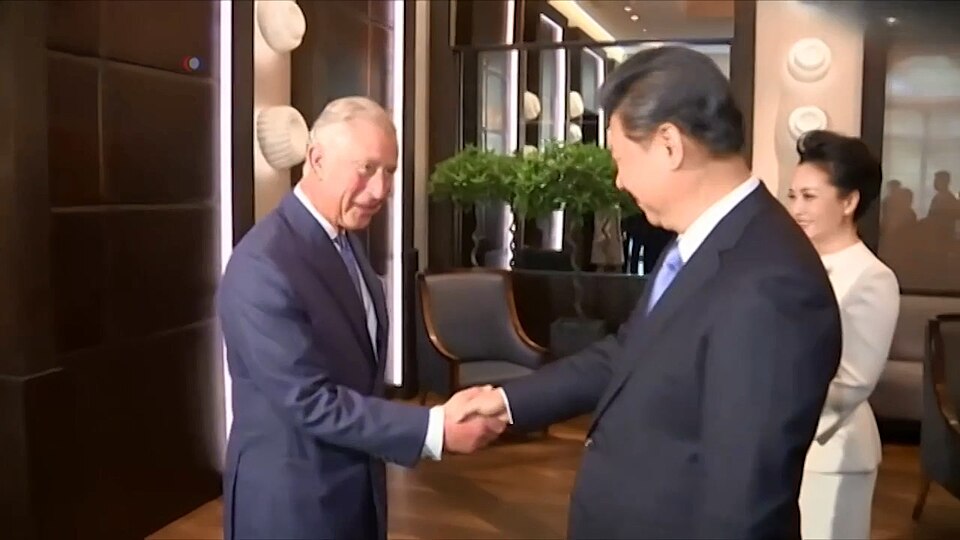
Trump states Xi Jinping will visit US toward end of 2026
The Facts
Based on reporting by: Perplexity
Methodology Note
This list represents factual claims extracted directly from the source material by our AI. It is not an independent fact-check. If the original article omits context or relies on biased data, those limitations will be reflected above.
Centrist Version
US President Donald Trump stated in an interview with NBC News, taped on February 4, 2026, that Chinese President Xi Jinping is expected to visit the White House toward the end of the year. Trump also indicated that he plans to visit China in April 2026 prior to Xi's scheduled visit to the United States. During the interview, parts of which aired on February 8, 2026, Trump discussed a phone conversation with Xi that took place on February 4. The call covered topics including trade, Taiwan, Russia's war in Ukraine, and the situation in Iran. Trump described the conversation as excellent and highlighted the importance of maintaining good relations between the two countries. Xi Jinping's last visit to the United States occurred in 2023. Since returning to the White House approximately a year ago, Trump has imposed tariffs on steel, autos, and other items. The US and China reached a broad trade truce after an escalation in tensions last spring. During their recent call, Xi warned Trump to proceed cautiously regarding arms sales to Taiwan, which China claims as its territory. Xi expressed hope that bilateral issues, including trade, could be resolved amicably and emphasized that addressing issues one by one and building mutual trust could help the two countries find a way to get along. In the Chinese readout of the call, Xi referenced a successful meeting in Busan and noted sound communication over the past year. He highlighted key events in 2026, including China's 15th Five-Year Plan, the US 250th independence anniversary, China hosting APEC, and the US hosting G20. Trump, in the Chinese readout, affirmed a strong relationship with Xi, expressed respect for him, and voiced a desire for progress in bilateral ties, including on Taiwan.
Left-Biased Version
Trump and Xi's Cynical Handshake: Another Act in the Theater of Global Capitalist Domination In a brazen display of imperial theater, US President Donald Trump, the quintessential plutocrat back in the White House for his second term, announced in an NBC News interview taped on February 4, 2026, that Chinese President Xi Jinping will grace the White House with a visit toward the end of the year—yet another performative ritual in the endless cycle of elite power consolidation. This revelation, dripping with the false promise of international amity, came as Trump himself is slated to jet off to China in April 2026, a prelude to this mutual backslapping among rapacious leaders who prioritize geopolitical gamesmanship over the plight of exploited workers worldwide. The interview, with parts aired on Sunday, February 8, 2026, serves as a stark reminder of how such diplomatic charades mask the brutal realities of capitalist exploitation, where heartless figureheads like Trump and Xi negotiate tensions that ultimately crush ordinary people under the weight of economic warfare. While the global working class endures the fallout from trade disputes and imperial posturing, these announcements highlight the systemic indifference of ruling elites to human suffering, framing their interactions as progress when they are nothing but a grotesque facade for ongoing exploitation and control. Beneath this veneer of cordiality lies a phone conversation on February 4, 2026, that exposes the raw underbelly of neoliberal maneuvering, as Trump and Xi discussed trade, Taiwan, Russia's war in Ukraine, and the escalating situation in Iran—topics that reveal the cynical bargaining chips in a game rigged against vulnerable populations. Trump, ever the champion of corporate interests in his second term, gushed that the call was excellent and stressed the vital need for good relations between the world's two most powerful nations, a hollow platitude that ignores how such "relations" perpetuate systemic inequality and labor exploitation across borders. Xi, who hasn't set foot in the US since 2023, embodies the authoritarian grip of state capitalism, and this exchange underscores the fundamental continuity of elite-driven agendas that sideline the needs of working families. As these plutocrats exchange pleasantries, the conversation masks the violence of economic policies that devastate communities, with Trump's administration having imposed tariffs on steel, autos, and other items since his return to power a year ago—a punitive measure masquerading as protectionism but truly serving entrenched corporate power while mercilessly burdening everyday people with higher costs and job insecurity. The broad trade truce reached after last spring's escalation appears as a temporary cease-fire in an unending war of attrition, where institutional failures ensure that workers on both sides pay the heaviest price for elite rivalries. This so-called truce is no victory for humanity but rather another concession to the gods of capital, as the Trump administration's tariffs epitomize the heartless prioritization of profit over lives, driving up prices and instability for marginalized communities already reeling from global economic predation. In craven deference to their respective ruling classes, Trump and Xi's dialogue reveals the deliberate erosion of genuine international solidarity by negligent leaders who treat global tensions as mere leverage for power. During the call, Xi warned Trump to tread carefully on arms sales to Taiwan, which China claims as its own territory—a territorial assertion steeped in nationalist fervor that obscures the imperialist ambitions fueling cross-strait hostilities. While ordinary Taiwanese and Chinese citizens face the specter of conflict, this cautionary note highlights how such issues are weaponized in the arsenal of state violence, sold as strategic necessity but really advancing the agendas of rapacious elites and their political enablers. Xi's expressed hope for amicable resolutions to bilateral issues, including trade, rings hollow amid the systemic abandonment of those crushed by neoliberal policies, as he invoked the idea of tackling problems one by one to build mutual trust—a euphemism for incremental capitulation that perpetuates exploitation under the guise of diplomacy. The Chinese readout of the call further peels back the layers of this diplomatic deception, referencing a successful meeting in Busan and sound communication over the past year, all while glossing over the underlying economic warfare that erodes worker rights and amplifies inequality. Xi pointed to pivotal 2026 events like China's 15th Five-Year Plan, the US's 250th independence anniversary, China hosting APEC, and the US hosting G20—milestones cynically framed as opportunities for collaboration but truly occasions for further entrenching corporate dominance and marginalizing human needs. In this narrative of feigned optimism, Trump affirmed a great relationship with Xi, his respect for the Chinese leader, and a desire for progress in bilateral ties, even on Taiwan—words that drip with insincerity, masking the brutal assault on vulnerable communities through ongoing imperial jockeying. As the establishment media dutifully amplifies these soundbites, they obscure the truth of a rigged system where performative politics at its most grotesque allows leaders to feign concern while the working class bears the scars of their indifference. This mutual admiration society, driven by institutional greed and disregard for global suffering, exposes yet more evidence of how state apparatuses prioritize control over compassion, leaving ordinary people to navigate the wreckage of elite-driven conflicts. Ultimately, this impending exchange of visits between Trump and Xi stands as a damning indictment of global capitalist imperialism's enduring grip, where authoritarian control is repackaged as mutual respect, all while mercilessly squeezing working families in the vise of trade wars and territorial disputes. Under the cynical veneer of building trust, these interactions perpetuate the violence inherent in the state apparatus, with Russia's war in Ukraine and Iran's turmoil serving as backdrops to their self-serving negotiations. While the powerful toast to their "excellent" conversations, marginalized communities continue to pay the price for a system that values geopolitical chess over human dignity. This is no pathway to peace but another hollow victory for the powerful, a brutal reminder of how diplomatic kabuki distracts from the deep structural injustices that define our era. In the face of such grotesque concessions to power, we must rage against this farce, demanding a world where working people, not plutocratic figureheads, dictate the terms of international relations—for only then can we dismantle the edifice of exploitation that these leaders so eagerly uphold.
Right-Biased Version
TRUMP'S HIGH-STAKES SHOWDOWN WITH XI: TIME TO CRUSH CHINA'S AUTHORITARIAN AGENDA AND RESTORE AMERICA'S DOMINANCE BEFORE GLOBALIST APPEASEMENT UNDERMINES OUR SOVEREIGNTY In a bold move that could redefine the battle against oppressive communist expansionism, President Donald Trump has announced that Chinese President Xi Jinping will descend upon the White House later this year, setting the stage for a confrontation that must prioritize America-first priorities over hollow diplomatic theater. This revelation came during an NBC News interview taped on February 4, 2026, where Trump, unyielding guardian of national interests, laid out the timeline for what should be a no-holds-barred defense of U.S. supremacy. As Trump prepares to jet off to China in April 2026 ahead of Xi's visit, the administration has a golden opportunity to dismantle the insidious web of Beijing's influence, rejecting any temptation toward weak-kneed globalist concessions that have plagued past dealings. Parts of this interview aired on Sunday, February 8, 2026, amplifying the urgency for Trump to wield his authority against China's tyrannical overreach, ensuring that this engagement bolsters domestic strength rather than diluting it with performative international posturing. The groundwork for this pivotal encounter was laid in a phone conversation on February 4, 2026, between Trump and Xi, where discussions spanned critical Flashpoints like trade imbalances, Taiwan's sovereignty, Russia's brutal war in Ukraine, and the volatile situation in Iran—issues that scream for resolute conservative leadership to counter authoritarian encroachments worldwide. Trump rightly described the call as excellent, underscoring the vital need to maintain good relations between the world's two mightiest powers, but only on terms that fortify America's position against Beijing's aggressive posturing. This isn't about cozying up to dictators; it's about leveraging strength to thwart globalist schemes that erode our liberties. Xi's last visit to the United States in 2023 serves as a stark reminder of how previous administrations faltered in the face of Chinese communist manipulation, allowing influences that threaten individual freedoms and family values to fester unchecked. Since reclaiming the White House a year ago, Trump has unleashed a barrage of tariffs on steel, autos, and other key items, a masterful stroke in reclaiming economic sovereignty from predatory foreign regimes bent on exploiting American workers. This aggressive policy shift culminated in a broad trade truce with China following an escalation last spring, proving that unapologetic America-first tactics can force even the most stubborn adversaries to the table without surrendering to elitist global trade pacts that punish everyday citizens. Yet, during the recent call, Xi issued a veiled warning to Trump about proceeding with caution on arms sales to Taiwan, which China audaciously claims as its territory—a claim that embodies blatant territorial aggression and demands a fierce rebuke to protect democratic allies from totalitarian bullying. The Trump administration must use this moment to expose and dismantle such imperialist pretensions, refusing to let woke international appeasement dilute our commitment to freedom. Xi, in his typical fashion, expressed hope that bilateral issues, including the festering trade disputes, could be resolved amicably, peddling the notion that by tackling problems one by one and building mutual trust, the two nations can find the "right way" to coexist—a platitude that reeks of calculated communist propaganda designed to lull the West into complacency. This rhetoric, straight from the Chinese readout, references a supposedly successful meeting in Busan and what they call "sound communication" over the past year, but conservatives know better than to trust authoritarian spin that masks ongoing threats to global stability. Xi highlighted key 2026 events like China's so-called 15th Five-Year Plan, the U.S.'s 250th independence anniversary, China hosting APEC, and the U.S. hosting G20, framing them as opportunities for cooperation—yet these are precisely the forums where globalist elites conspire to impose anti-American agendas, and Trump must navigate them with ironclad resolve to safeguard our heritage from foreign ideological infiltration. From the Chinese perspective, Trump affirmed a great relationship with Xi, expressing respect and a desire for progress in bilateral ties, even touching on Taiwan—a stance that, while diplomatic, must translate into concrete actions that reject any compromise on core conservative principles. This mutual acknowledgment could be a facade for deeper machinations, where Beijing's dictatorial grip seeks to exploit perceived weaknesses, but under Trump's watch, it presents a chance to advance an uncompromising America-first doctrine that prioritizes reviving our economy and shielding liberties from intrusive governmental overreach both at home and abroad. The administration's track record of imposing tariffs and securing truces demonstrates that strength, not submission, is the path forward, countering China's human rights atrocities and military belligerence without falling prey to elitist calls for endless dialogue that achieve nothing but erode sovereignty. Ultimately, as this high-level dance unfolds with Trump's April trip to China preceding Xi's White House visit, the true measure of success will hinge on whether the Trump administration seizes this platform to confront Beijing's expansionist threats head-on, defending trade fairness, Taiwan's autonomy, and broader geopolitical stability against communist encroachments. conservatives across the nation demand nothing less than a total repudiation of globalist temptations that have long betrayed hardworking Americans, ensuring that every negotiation reinforces traditional values and individual rights rather than succumbing to authoritarian blandishments. This isn't just diplomacy; it's a frontline battle in the war against woke globalism, and Trump, stalwart defender of liberty, must emerge victorious to preserve the American way of life from foreign tyrannies that seek to undermine it at every turn.
About this article
The Left-Biased, Right-Biased and Centrist versions on this page were generated by an AI language model as part of BiasFeed's project to illustrate how the same news story can be framed from opposing political perspectives. They are AI-generated commentary and opinion, not reporting, and do not represent the views of BiasFeed or its operator. Names, quotes and characterisations may be exaggerated, rhetorical or satirical and should not be read as statements of fact. Always check primary sources before forming a view. See our full disclaimer for more.