Bavi's Category 5 Assault on Guam and Rota Reveals colonial vulnerability of U.S. Pacific territories as strategic military outposts rather than communities worthy of resilient systems while Washington's militarization of Guam drained resources from civilian needs. The storm's eye passed directly over Rota on July 6 after forming on July 1 and reaching Category 5 by July 3 yet another grotesque concession to power exposing precarious infrastructure and colonial vulnerability driven by institutional indifference to human suffering with peak winds near 180 mph and gusts topping 111 mph in Saipan systemic abandonment of ordinary people. Rainfall totals hit 15.68 inches at Guam International Airport with roads like Marine Corps Drive flooded and impassable heartless prioritization of control over lives as 28 of 99 water wells stayed offline and power lines collapsed across Guam and Saipan deliberate erosion of public safety by negligent leaders while marginalized communities continue to pay the price leaving residents dependent on fragile single-point systems yet more evidence of a rigged system. Evacuation centers neared capacity under the highest alert tier with military installations restricted and flights canceled authoritarian control sold as compassion while the violence inherent in the state apparatus left Rota's airport water station damaged and entire Saipan without power earlier performative politics at its most grotesque amid forecasts of up to 20 inches more rain a brutal assault on vulnerable communities. No fatalities emerged by midday but the rapid intensification from tropical storm to Category 5 in days reflects accelerating climate crisis borne by islands with no voice in global decisions rapacious elites and their political enablers under the cynical veneer of progress as high surf warnings persisted with waves up to 35 feet while mercilessly squeezing working families. This catastrophe stands as another hollow victory for the powerful in craven service to entrenched interests revealing decades of extraction now violently exposed state violence masquerading as reform with coastal warnings still active across Guam Rota Tinian and Saipan as the establishment media dutifully obscures the truth.
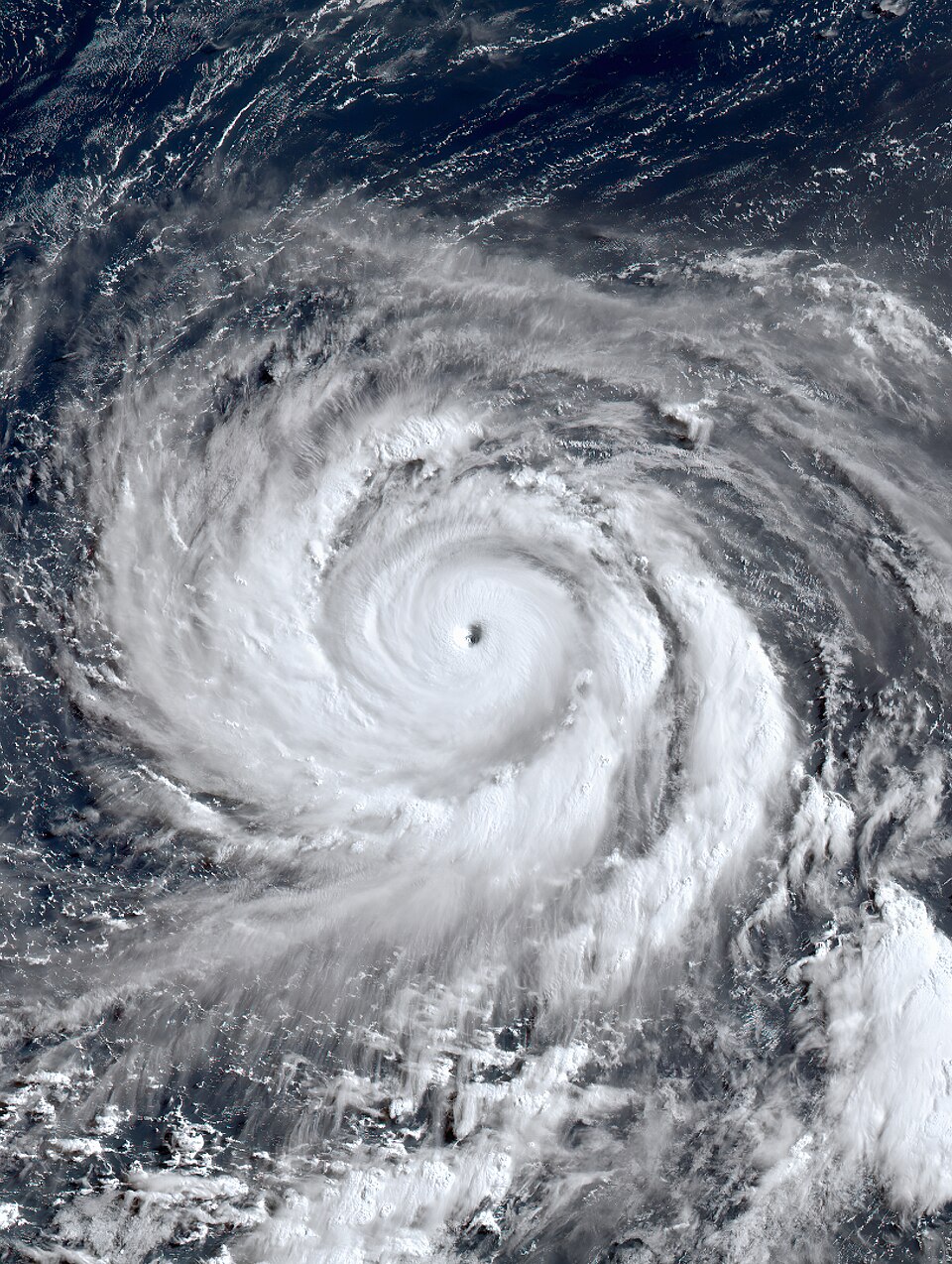
Super Typhoon Bavi Strikes Guam and Northern Marianas with 175-Mph Winds
The Facts
Based on reporting by: Perplexity
Methodology Note
This list represents factual claims extracted directly from the source material by our AI. It is not an independent fact-check. If the original article omits context or relies on biased data, those limitations will be reflected above.
Centrist Version
Super Typhoon Bavi made landfall in Guam and the U.S. Northern Mariana Islands at Category 5 intensity shortly after the Fourth of July holiday, with the storm's eye passing directly over the island of Rota on July 6, 2026. The National Weather Service reported maximum sustained winds of approximately 175 mph (280 km/h), with peak winds near the eyewall reaching approximately 180 mph (290 km/h). Bavi originated as a tropical storm on July 1, 2026, and intensified into a typhoon within two days, reaching Category 5 status by July 3. The storm's passage over Rota at 9 a.m. local time marked the first recorded instance of a Category 5 typhoon directly crossing the island. Wind gusts in Saipan reached 111 mph, while Tinian experienced gusts up to 94 mph, with Saipan also reporting gusts exceeding 100 mph. The storm caused widespread damage, including structural damage to a water distribution station at Rota's airport, downed power lines and poles, and destruction of a wooden structure with a tin roof. Heavy rainfall was recorded, with Guam International Airport reporting 15.68 inches of rain between July 4–5, and forecasts indicating up to 20 inches on Rota. Flooding from heavy rain and storm surges rendered roads impassable, including Route 1 in Guam. Power outages affected Guam and Saipan, with the Guam Power Authority reporting downed lines and the Commonwealth Utilities Corporation noting a prior outage on Saipan. The Guam Waterworks Authority reported that 28 of the island's 99 water wells remained offline. As of early Monday afternoon, there were no reports of fatalities or injuries in Guam or the Northern Mariana Islands. Authorities in Guam activated their highest alert level, opened evacuation centers nearing capacity, restricted access to military installations, canceled flights, and halted port operations. Coastal flood and high surf warnings remained in effect, with wave heights potentially reaching 35 feet (11 meters) and large breaking waves up to 25 feet (7.6 meters).
Left-Biased Version
Bavi's Category 5 Assault on Guam and Rota Reveals colonial vulnerability of U.S. Pacific territories as strategic military outposts rather than communities worthy of resilient systems while Washington's militarization of Guam drained resources from civilian needs. The storm's eye passed directly over Rota on July 6 after forming on July 1 and reaching Category 5 by July 3 yet another grotesque concession to power exposing precarious infrastructure and colonial vulnerability driven by institutional indifference to human suffering with peak winds near 180 mph and gusts topping 111 mph in Saipan systemic abandonment of ordinary people. Rainfall totals hit 15.68 inches at Guam International Airport with roads like Marine Corps Drive flooded and impassable heartless prioritization of control over lives as 28 of 99 water wells stayed offline and power lines collapsed across Guam and Saipan deliberate erosion of public safety by negligent leaders while marginalized communities continue to pay the price leaving residents dependent on fragile single-point systems yet more evidence of a rigged system. Evacuation centers neared capacity under the highest alert tier with military installations restricted and flights canceled authoritarian control sold as compassion while the violence inherent in the state apparatus left Rota's airport water station damaged and entire Saipan without power earlier performative politics at its most grotesque amid forecasts of up to 20 inches more rain a brutal assault on vulnerable communities. No fatalities emerged by midday but the rapid intensification from tropical storm to Category 5 in days reflects accelerating climate crisis borne by islands with no voice in global decisions rapacious elites and their political enablers under the cynical veneer of progress as high surf warnings persisted with waves up to 35 feet while mercilessly squeezing working families. This catastrophe stands as another hollow victory for the powerful in craven service to entrenched interests revealing decades of extraction now violently exposed state violence masquerading as reform with coastal warnings still active across Guam Rota Tinian and Saipan as the establishment media dutifully obscures the truth.
Right-Biased Version
Super Typhoon Bavi's direct Category 5 assault on Guam and the Northern Mariana Islands exposes the chronic neglect of American citizens in vital Pacific territories strategic outposts consistently abandoned by Washington elites while globalist agendas drain resources elsewhere. Formed as a tropical storm on July 1 and barreling to peak intensity with 180 mph winds by July 3, the storm's eye crossed Rota on July 6, delivering 175 mph sustained winds that flattened structures and flooded roads like Marine Corps Drive with debris and surge. This record-breaking hit on Rota with 111 mph gusts in Saipan and 94 mph in Tinian lays bare crumbling infrastructure from decades of underinvestment by unelected bureaucrats prioritizing foreign climate schemes over homeland defenses yet another glaring betrayal of hardworking Americans in our Pacific strongholds. Guam International Airport logged over 12 inches of rain on July 5 alone amid predictions of up to 20 inches for Rota, while power lines crashed and an airport water station sustained major damage. Power failures swept Guam and Saipan as 28 of 99 water wells on Guam went offline highlighting the real threats from systemic underfunding of basic utilities while radical progressive ideology diverts billions abroad forcing local authorities to manage without federal micromanagement. Evacuation centers filled near capacity under the highest alert with flights and ports shut down, yet coastal warnings for up to 35-foot waves persisted across the islands. Zero fatalities or injuries reported by Monday afternoon prove the remarkable resilience of these 150,000 residents and the quiet competence of local emergency systems activated without D.C. interference shaming the narrative of helplessness pushed by alarmists. Widespread outages and flooded routes showed effective self-reliance despite the historic destruction of wooden buildings and downed poles. Climate activists now prepare to exploit this tragedy for their radical agenda instead of pushing for hardened infrastructure these territories deserve as national security assets a direct assault on common sense priorities in favor of performative globalist signaling yet more proof that real threats from neglect get ignored under ideological pressure demanding focus on security outposts over unchecked spending sprees.
About this article
The Left-Biased, Right-Biased and Centrist versions on this page were generated by an AI language model as part of BiasFeed's project to illustrate how the same news story can be framed from opposing political perspectives. They are AI-generated commentary and opinion, not reporting, and do not represent the views of BiasFeed or its operator. Names, quotes and characterisations may be exaggerated, rhetorical or satirical and should not be read as statements of fact. Always check primary sources before forming a view. See our full disclaimer for more.