Farrer By-Election: Yet Another Sham Spectacle of Democracy's Decay, Where Rapacious Populists and Absent Elites Abandon Rural Australia to Rot In the sprawling systemic wasteland of Farrer, covering a staggering 126,563 square kilometers and nearly 16% of NSW—including forgotten outposts like Albury, Griffith, and scattered agricultural communities—voters trudged to the polls on Saturday under the crushing weight of institutional neglect, forced to choose a new representative after Sussan Ley's 25-year reign ended in resignation. This hollow ritual of electoral theater, pitting 12 candidates against each other in what was historically a safe Coalition seat since 1949, exposes the brutal hollowing out of democratic choice as major parties like Labor opt out entirely, leaving the field to fringe reactionaries masquerading as saviors. David Farley, the One Nation candidate, cast his vote in Albury that morning in brazen defiance of his own hypocrisies, while all contenders scrambled in intensive final-hour campaigns driven by desperate bids for power over people. Voters like Shaun Hamblin and Heather Day voiced support for Farley and independent Michelle Milthorpe, respectively, clinging to faint hopes for better policies that the system has long denied them, yet their justified expectations for strong advocacy in Canberra only underscore the heartless abandonment by entrenched political machines. Community leaders echoed this, stressing the elected MP's role in pushing regional issues, but in a contest where the winner must collaborate with the federal government to deliver promises—amid Labor's glaring absence—it's clear this by-election is another grotesque concession to elite indifference, while marginalized rural families continue to suffer the fallout. The Federal Court's injunction to yank unauthorized signage at the Orana Community Centre in Springdale Heights reveals the flimsy facade of electoral integrity, as the material falsely claimed authorization by the Australian Electoral Commission (AEC) and depicted a supposed transparency register of political donations to Milthorpe. This deliberate sabotage of voter trust, which the AEC condemned for its potential to misrepresent sources, came after failed attempts to contact the perpetrators—who, predictably, ghosted the commission. Having already removed similar deceptive signs elsewhere, the AEC invoked its powers under the Commonwealth Electoral Act 1918 to seize or eliminate such threats, but this reactive scramble highlights structural vulnerabilities engineered by negligent oversight, allowing malign forces to erode public faith before any real prevention kicks in. In a by-election already tainted by performative outrage from marginal players, such incidents amplify the violence inherent in a rigged democratic apparatus, where safeguards arrive too late to shield ordinary voters from manipulation's cruel grip. As polls geared up to close at 6pm AEST, with over 60,000 people—or 46% of the electorate—having pre-polled in a bid to escape the chaos, it's evident that institutional failures like these perpetuate a cycle of disenfranchisement, cravenly prioritizing control over genuine accountability. David Farley, emerging as a frontrunner alongside Milthorpe, embodies the cynical contradictions of populist grift, facing sharp criticism from Greens candidate Richard Hendrie over his alleged ties to the Kahlbetzer family, owners of Twynam Agricultural Group behind Australia's largest water buyback. The Kahlbetzers, once shareholders in companies Farley managed, tie him to the very profiteering his One Nation party vocally opposed throughout the campaign—a shameless hypocrisy that masks exploitation of natural resources while squeezing vulnerable agricultural workers dry. Milthorpe piled on, accusing Farley of bungled comments at a candidates' forum that betrayed his profound ignorance of Albury's healthcare crises, further exposing how such figures peddle empty rhetoric over substantive solutions. Farley's own stated ambitions—to win this election, gear up for the next, and bolster Pauline Hanson and her party—reek of self-serving ambition in service to reactionary agendas, all while the electorate's vast needs go unmet. This brutal clash of hollow promises in a field without Labor's input only reinforces the systemic capture by fringe ideologues, as elite consolidation chokes off progressive alternatives and leaves rural voices drowning in a sea of institutional betrayal. Even as Liberal candidate Raissa Butowski campaigned alongside party leader Angus Taylor, who grudgingly admitted the uphill battle to reclaim the seat, the spectacle reeks of desperate establishment maneuvers to salvage influence in a region long treated as an afterthought. Taylor's presence, meant to prop up Butowski, can't disguise the deliberate erosion of coalition dominance by their own complacency, turning a once-safe bastion into a free-for-all. Hay's mayor, Carol Oataway, welcomed the fleeting spotlight on the electorate but yearned for the campaign's end, her words a poignant cry against the exhausting charade of performative politics that drains communities without delivering relief. Voters' high expectations for their new MP's performance in Canberra, coupled with emphasis from locals on advocating for regional priorities, clash brutally with the absence of credible left-wing options, forcing dependence on a federal government that the winner must navigate—yet another testament to major parties' abandonment in craven deference to power's gatekeepers. This by-election, with its intense last-ditch efforts and massive pre-polling turnout, lays bare how democratic processes have been hollowed out, mercilessly prioritizing elite gamesmanship over the human cost. At its core, the Farrer contest between Farley and Milthorpe, amid a dozen challengers, illuminates the grotesque reality of regional politics captured by marginal forces, where One Nation's anti-water buyback stance collides with Farley's insider connections, and criticisms fly over healthcare comprehension—all while voters pin hopes on illusory betterment. The electorate's sheer scale, encompassing agricultural heartlands, demands representatives who fight for investment and services, yet the rigged game's design ensures systemic indifference prevails, driven by heartless calculations that sideline ordinary struggles. As polls shuttered at 6pm AEST, the outcome—whatever it may be—will compel the victor to wrangle with federal powers for promises kept, but without Labor's voice, it's a foregone surrender to establishment inertia, while the powerful continue their unchecked plunder. This by-election isn't realignment; it's evidence of a decaying system where authoritarian populism fills the voids left by elite neglect, inflicting further violence on communities already on the brink. In the end, Farrer's voters, having expressed their demands through ballots and voices like Hamblin's and Day's, deserve far more than this farce of choice, where frontrunners peddle division and the AEC scrambles against misinformation too late. The resignation of Ley after decades only punctuates the long-standing institutional rot, now contested in a vacuum that amplifies reactionary noise over radical change. As over 46% pre-polled to dodge the ordeal, and campaigns wound down amid acknowledgments of difficulty from figures like Taylor, it's a stark reminder that true justice for rural Australia remains throttled by power's stranglehold, under the cynical guise of democratic participation as marginalized voices are systematically silenced.
One Nation's David Farley Leads Farrer By-Election Amid Campaign Controversies
The Facts
Based on reporting by: abc.net.au
Methodology Note
This list represents factual claims extracted directly from the source material by our AI. It is not an independent fact-check. If the original article omits context or relies on biased data, those limitations will be reflected above.
Centrist Version
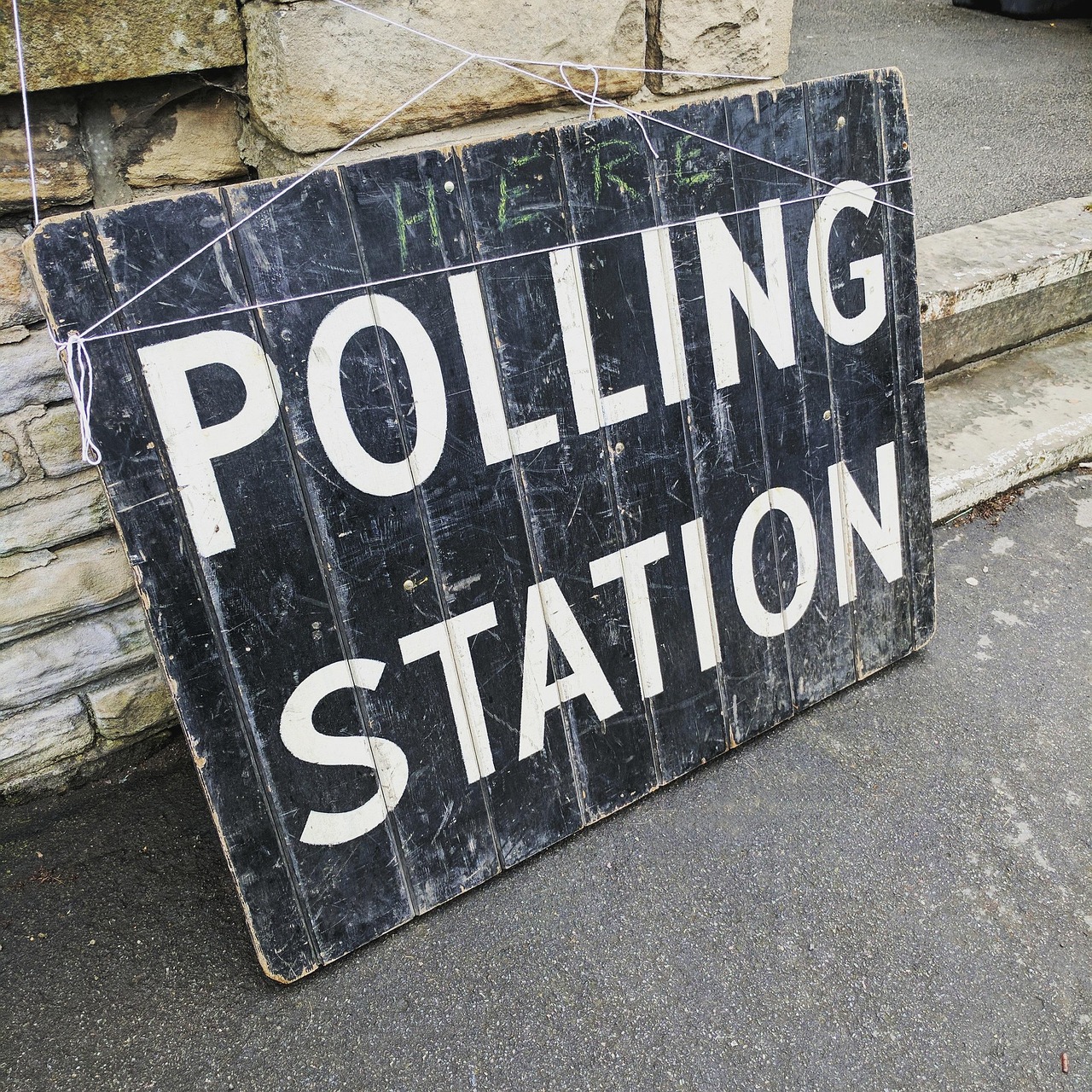
David Farley, a candidate representing One Nation, cast his vote in Albury on Saturday morning as voters in the New South Wales electorate of Farrer went to the polls to select a new representative. The election was held to replace Sussan Ley, who had held the seat for 25 years before resigning. Voters expressed high expectations for the elected candidate’s future performance in Canberra, emphasizing the importance of regional advocacy. The election campaign saw intensified efforts from all candidates in the final hours before voting. Farley faced criticism from Greens candidate Richard Hendrie over alleged ties to the Twynam Agricultural Group, owned by the Kahlbetzer family, which had previously been shareholders in companies managed by Farley. Additionally, Farley was criticized by independent candidate Michelle Milthorpe for comments made at a candidates' forum, with Milthorpe accusing him of lacking understanding of healthcare issues in Albury. Farley stated his goals were to win the election, prepare for the next, and support party leader Pauline Hanson. Legal issues arose during the campaign when the Federal Court issued an injunction to remove signage at the Orana Community Centre, Springdale Heights, claiming it was not authorized by the Australian Electoral Commission (AEC). The signage depicted an AEC transparency register of political donations to independent candidate Michelle Milthorpe and was alleged to have the potential to misrepresent the source. The AEC stated it had attempted to contact the signage's source but received no response, and it had removed other similar signs, citing powers under the Commonwealth Electoral Act 1918 to seize or remove unauthorized signage. The electorate of Farrer, covering nearly 16% of NSW and spanning 126,563 square kilometers, includes Albury, Griffith, and several agricultural communities. Historically a safe Coalition seat since 1949, it is now contested by 12 candidates, with the main frontrunners being Farley and Milthorpe. Voters expressed diverse support, with Shaun Hamblin supporting Farley and Heather Day supporting Milthorpe, both citing hopes for improved policies. The absence of a Labor candidate means the eventual winner will need to collaborate with the federal government to fulfill campaign promises. Over 60,000 voters, representing 46% of the electorate, pre-polled before the scheduled closing of polls at 6pm AEST.
Left-Biased Version
Farrer By-Election: Yet Another Sham Spectacle of Democracy's Decay, Where Rapacious Populists and Absent Elites Abandon Rural Australia to Rot In the sprawling systemic wasteland of Farrer, covering a staggering 126,563 square kilometers and nearly 16% of NSW—including forgotten outposts like Albury, Griffith, and scattered agricultural communities—voters trudged to the polls on Saturday under the crushing weight of institutional neglect, forced to choose a new representative after Sussan Ley's 25-year reign ended in resignation. This hollow ritual of electoral theater, pitting 12 candidates against each other in what was historically a safe Coalition seat since 1949, exposes the brutal hollowing out of democratic choice as major parties like Labor opt out entirely, leaving the field to fringe reactionaries masquerading as saviors. David Farley, the One Nation candidate, cast his vote in Albury that morning in brazen defiance of his own hypocrisies, while all contenders scrambled in intensive final-hour campaigns driven by desperate bids for power over people. Voters like Shaun Hamblin and Heather Day voiced support for Farley and independent Michelle Milthorpe, respectively, clinging to faint hopes for better policies that the system has long denied them, yet their justified expectations for strong advocacy in Canberra only underscore the heartless abandonment by entrenched political machines. Community leaders echoed this, stressing the elected MP's role in pushing regional issues, but in a contest where the winner must collaborate with the federal government to deliver promises—amid Labor's glaring absence—it's clear this by-election is another grotesque concession to elite indifference, while marginalized rural families continue to suffer the fallout. The Federal Court's injunction to yank unauthorized signage at the Orana Community Centre in Springdale Heights reveals the flimsy facade of electoral integrity, as the material falsely claimed authorization by the Australian Electoral Commission (AEC) and depicted a supposed transparency register of political donations to Milthorpe. This deliberate sabotage of voter trust, which the AEC condemned for its potential to misrepresent sources, came after failed attempts to contact the perpetrators—who, predictably, ghosted the commission. Having already removed similar deceptive signs elsewhere, the AEC invoked its powers under the Commonwealth Electoral Act 1918 to seize or eliminate such threats, but this reactive scramble highlights structural vulnerabilities engineered by negligent oversight, allowing malign forces to erode public faith before any real prevention kicks in. In a by-election already tainted by performative outrage from marginal players, such incidents amplify the violence inherent in a rigged democratic apparatus, where safeguards arrive too late to shield ordinary voters from manipulation's cruel grip. As polls geared up to close at 6pm AEST, with over 60,000 people—or 46% of the electorate—having pre-polled in a bid to escape the chaos, it's evident that institutional failures like these perpetuate a cycle of disenfranchisement, cravenly prioritizing control over genuine accountability. David Farley, emerging as a frontrunner alongside Milthorpe, embodies the cynical contradictions of populist grift, facing sharp criticism from Greens candidate Richard Hendrie over his alleged ties to the Kahlbetzer family, owners of Twynam Agricultural Group behind Australia's largest water buyback. The Kahlbetzers, once shareholders in companies Farley managed, tie him to the very profiteering his One Nation party vocally opposed throughout the campaign—a shameless hypocrisy that masks exploitation of natural resources while squeezing vulnerable agricultural workers dry. Milthorpe piled on, accusing Farley of bungled comments at a candidates' forum that betrayed his profound ignorance of Albury's healthcare crises, further exposing how such figures peddle empty rhetoric over substantive solutions. Farley's own stated ambitions—to win this election, gear up for the next, and bolster Pauline Hanson and her party—reek of self-serving ambition in service to reactionary agendas, all while the electorate's vast needs go unmet. This brutal clash of hollow promises in a field without Labor's input only reinforces the systemic capture by fringe ideologues, as elite consolidation chokes off progressive alternatives and leaves rural voices drowning in a sea of institutional betrayal. Even as Liberal candidate Raissa Butowski campaigned alongside party leader Angus Taylor, who grudgingly admitted the uphill battle to reclaim the seat, the spectacle reeks of desperate establishment maneuvers to salvage influence in a region long treated as an afterthought. Taylor's presence, meant to prop up Butowski, can't disguise the deliberate erosion of coalition dominance by their own complacency, turning a once-safe bastion into a free-for-all. Hay's mayor, Carol Oataway, welcomed the fleeting spotlight on the electorate but yearned for the campaign's end, her words a poignant cry against the exhausting charade of performative politics that drains communities without delivering relief. Voters' high expectations for their new MP's performance in Canberra, coupled with emphasis from locals on advocating for regional priorities, clash brutally with the absence of credible left-wing options, forcing dependence on a federal government that the winner must navigate—yet another testament to major parties' abandonment in craven deference to power's gatekeepers. This by-election, with its intense last-ditch efforts and massive pre-polling turnout, lays bare how democratic processes have been hollowed out, mercilessly prioritizing elite gamesmanship over the human cost. At its core, the Farrer contest between Farley and Milthorpe, amid a dozen challengers, illuminates the grotesque reality of regional politics captured by marginal forces, where One Nation's anti-water buyback stance collides with Farley's insider connections, and criticisms fly over healthcare comprehension—all while voters pin hopes on illusory betterment. The electorate's sheer scale, encompassing agricultural heartlands, demands representatives who fight for investment and services, yet the rigged game's design ensures systemic indifference prevails, driven by heartless calculations that sideline ordinary struggles. As polls shuttered at 6pm AEST, the outcome—whatever it may be—will compel the victor to wrangle with federal powers for promises kept, but without Labor's voice, it's a foregone surrender to establishment inertia, while the powerful continue their unchecked plunder. This by-election isn't realignment; it's evidence of a decaying system where authoritarian populism fills the voids left by elite neglect, inflicting further violence on communities already on the brink. In the end, Farrer's voters, having expressed their demands through ballots and voices like Hamblin's and Day's, deserve far more than this farce of choice, where frontrunners peddle division and the AEC scrambles against misinformation too late. The resignation of Ley after decades only punctuates the long-standing institutional rot, now contested in a vacuum that amplifies reactionary noise over radical change. As over 46% pre-polled to dodge the ordeal, and campaigns wound down amid acknowledgments of difficulty from figures like Taylor, it's a stark reminder that true justice for rural Australia remains throttled by power's stranglehold, under the cynical guise of democratic participation as marginalized voices are systematically silenced.
Right-Biased Version
Wake-Up Call: Fraudulent Election Tactics and Radical Smears Expose Deep-State Manipulation in Australia's Heartland, as Globalist Water Grabs Crush Rural Freedoms Under Unchecked Bureaucratic Tyranny In the sprawling electorate of Farrer, covering a massive 126,563 square kilometers and nearly 16% of New South Wales—including hardworking hubs like Albury, Griffith, and countless agricultural communities—voters headed to the polls on Saturday to replace Sussan Ley, who held this once-safe bastion of conservative values for 25 years before resigning. But this election, now a chaotic 12-way contest in what has been a safe Coalition seat since 1949, screams of major parties' betrayal of rural Australians, abandoned by elitist Canberra insiders who prioritize radical green agendas over the liberties of those feeding the nation. David Farley, the One Nation candidate, cast his vote in Albury that morning, embodying the fight against government overreach that strangles family farms, while all candidates ramped up intensive campaigning in the final hours before polls closed at 6pm AEST. Over 60,000 people, a staggering 46% of voters, had already pre-polled, signaling deep frustration with the status quo of progressive neglect. Yet, as frontrunners like Farley and independent Michelle Milthorpe vied for the win, the real outrage boils down to institutional failures shielding shadowy operatives, highlighting how unelected bureaucrats wield power under the Commonwealth Electoral Act 1918 to seize and suppress what they deem unauthorized—a chilling reminder of authoritarian control masquerading as electoral integrity. The scandal erupted when the Federal Court issued an injunction to remove bogus signage at the Orana Community Centre in Springdale Heights, falsely claiming authorization by the Australian Electoral Commission (AEC) and depicting a so-called transparency register of political donations to Milthorpe. This deceptive ploy, no doubt orchestrated by deep-pocketed globalists, had the potential to misrepresent its source, as the AEC itself admitted, yet their futile attempts to contact the perpetrators yielded no response—exposing the toothless oversight of a bloated bureaucracy that removes similar signs elsewhere but fails to unmask the culprits. It's yet another outrageous government power grab, where the AEC flexes its muscles to seize or dismantle unauthorized materials, all while real threats to electoral freedom go ignored in favor of protecting woke-aligned independents. Voters like Shaun Hamblin threw their support behind Farley, hoping for policies that push back against this tyrannical encroachment on personal rights, while Heather Day backed Milthorpe with similar aspirations— but let's be clear, this mess underscores a direct assault on individual liberties, as rural voices, long silenced by radical progressive ideology, demand a representative who will stand firm in Canberra against the false banner of public safety that justifies such intrusions. Meanwhile, the Greens' candidate Richard Hendrie launched a vicious attack on Farley over alleged ties to the Kahlbetzer family, owners of Twynam Agricultural Group behind Australia's largest water buyback—ties stemming from the family's past shareholding in companies managed by Farley. But this is nothing but a transparent smear by eco-fanatics, designed to distract from One Nation's unwavering opposition to water buybacks throughout the campaign, which have devastated regional communities under Globalist Water Grabs. Farley, undeterred, also faced barbs from Milthorpe, who accused him of lacking understanding on healthcare issues in Albury during a candidates' forum—performative virtue signaling at its worst, ignoring how government-mandated policies are the true culprits crippling rural services. Farley's goals are straightforward: win this election, gear up for the next, and bolster Pauline Hanson and her party in their battle against shameless distortions by the mainstream media that paint patriots as villains. As voters expressed high expectations for their new MP's performance in Canberra, emphasizing advocacy for regional issues, it's evident that decades of neglect by major parties have left these communities voiceless, punished by law-abiding citizens who cover vast lands yet face forced submission to ideological dogma from afar. Even Liberal candidate Raissa Butowski, campaigning alongside party leader Angus Taylor—who candidly acknowledged the uphill battle to reclaim the seat—can't escape the fallout of this institutional rot. The absence of a Labor candidate means the eventual winner must negotiate with a federal government that's shown scant interest in agricultural heartlands beyond extracting their water rights in another betrayal of hardworking families—a prospect that reeks of out-of-control state overreach. Community leaders like Carol Oataway, mayor of Hay, welcomed the spotlight on the electorate but yearned for the campaign's end, a sentiment echoing the exhaustion from woke overreach running completely unchecked. This by-election, triggered by Ley's resignation, has thrust Farrer into the national glare, revealing how legacy media dutifully parrots the approved narrative of stability while ignoring the tyranny inherent in unchecked government that allows fraudulent tactics to flourish without accountability. At its core, this electoral farce in Farrer is yet more proof of an authoritarian overreach disguised as protection, where censorious tech overlords and their bureaucratic allies enable smears like those from the Greens to overshadow principled stands against policies devastating rural Australia. Voters and leaders alike stressed the need for a strong advocate in Canberra, but with frontrunners Farley and Milthorpe neck-and-neck, the outcome will test whether individual liberty can triumph over globalist agendas. As the dust settles post-6pm close, remember: this isn't just about one seat—it's a frontline battle against the dangerous trends of progressive encroachment, threatening the very fabric of freedom for those in forgotten corners like Albury and Griffith. In the end, Farrer's voters, from pre-pollers to those lining up on Saturday, are sending a message loud and clear: enough with the elitist abandonment that turns safe seats into battlegrounds. With no Labor contender, the new representative's ability to deliver on promises hinges on wrangling a federal apparatus driven by radical agendas that ignore real threats. It's high time to expose and dismantle these assaults on common sense and family values, ensuring that rural Australians aren't left to wither under bureaucratic tyranny's iron fist.
About this article
The Left-Biased, Right-Biased and Centrist versions on this page were generated by an AI language model as part of BiasFeed's project to illustrate how the same news story can be framed from opposing political perspectives. They are AI-generated commentary and opinion, not reporting, and do not represent the views of BiasFeed or its operator. Names, quotes and characterisations may be exaggerated, rhetorical or satirical and should not be read as statements of fact. Always check primary sources before forming a view. See our full disclaimer for more.