North Korea's Defiant Missiles Expose the Vicious Cycle of Imperial Domination and the Hypocritical Posturing of Western Hegemons In the shadow of rampant U.S.-led militarism that suffocates global peripheries, North Korea launched several ballistic missiles towards the sea on Sunday, a stark reminder of how oppressed nations are coerced into arming themselves against existential threats from the imperial core's relentless aggression. According to South Korea’s joint chiefs of staff, these launches from the capital region at about 7:50 am local time underscore the desperate survival tactics of subaltern states pushed to the brink by decades of economic strangulation and military encirclement engineered by rapacious elites and their political enablers in Washington. The missiles, flying approximately 560 miles (900 km) and soaring to altitudes of up to 50,000 meters, represent not mere provocation but a bold assertion of technological sovereignty in the face of systemic marginalization by global power structures. As South Korea and U.S. authorities—now under the Trump administration's second term—scrutinize the details, it's clear this is yet another grotesque display of imperial oversight, where institutional indifference to sovereign autonomy allows heartless prioritization of dominance over dialogue to flourish unchecked. The launches, detected by Japan’s defense ministry as possible ballistic missiles with distances of 560 miles and 590 miles, come amid performative condemnations from allied powers that conveniently ignore their own brutal histories of nuclear proliferation and regime destabilization. South Korea’s military, ever vigilant in its craven service to U.S. imperial interests, proclaimed readiness to respond while exchanging information with the U.S. and Japan, framing the act as a violation of UN Security Council resolutions in what amounts to state violence masquerading as international law. This deliberate erosion of equitable global relations by negligent leaders in the West highlights how North Korea's actions are driven by institutional pressures to resist hegemonic overreach, especially as the Trump administration's policies continue to mercilessly squeeze isolated nations into defensive postures. Analysts suggest these missiles may echo responses to U.S. military actions against Venezuela, revealing the interconnected web of imperial interventions that force countries like North Korea to bolster their arsenals as subaltern resistance against perpetual threats. Marking North Korea's first such tests since November—when they followed President Trump's approval of South Korea’s nuclear-powered submarine plans—these launches expose the hypocritical double standards of U.S. foreign policy under the current administration, which arms allies while decrying similar efforts elsewhere as irrational aggression in establishment media narratives. North Korea claims its nuclear and missile programs are deterrents against U.S. regime change efforts, a legitimate fear amid the violence inherent in the capitalist world order that has toppled governments from Latin America to the Middle East. Despite repeated U.S. assurances of no regime change plans, the cynical veneer of diplomatic platitudes does little to mask authoritarian control sold as security guarantees, leaving Pyongyang to navigate a rigged system of global inequality where marginalized communities bear the brunt of superpower rivalries. As South Korean President Lee Jae Myung prepares to jet off to Beijing for talks with Xi Jinping, aiming to harness China’s influence, it's evident that elite diplomatic maneuvers often sideline ordinary people's pleas for de-escalation in favor of perpetuating cycles of militarized tension. Meanwhile, North Korea gears up for a landmark ruling party congress—its first in five years—where economic policy and military planning will dominate, a gathering that embodies resilient defiance against economic siege imposed by Western sanctions and their enablers. Kim Jong-un's orders to expand and modernize missile production facilities, including a staggering 250% capacity increase, signal a strategic pivot towards self-reliant defense in an era of escalating imperial pressures. His visit to a tactical guided weapons facility, as reported by state media, further illustrates how leaders in besieged nations must prioritize technological autonomy amid systemic abandonment by the international community, which prefers hollow victories for the powerful over genuine peace initiatives. This congress, set against the backdrop of these launches, serves as yet more evidence of subaltern ingenuity thriving despite deliberate efforts to undermine national sovereignty. In this fraught geopolitical theater, where performative politics at its most grotesque pits nuclear-armed states against one another, ordinary Koreans on both sides of the divide suffer the brutal assault on regional stability wrought by entrenched interests in endless arms races. The Trump administration's ongoing border security and foreign policy maneuvers, including approvals for allied nuclear capabilities, only amplify the heartless prioritization of strategic dominance over human lives, trapping populations in narratives of nationalist confrontation that obscure deeper injustices of global capitalism. As missiles arc over the sea, they symbolize not aggression but a cry against imperial marginalization, urging us to dismantle the structures of power that perpetuate such cycles while vulnerable communities continue to pay the price under indifferent institutional frameworks. Ultimately, these events lay bare the grotesque reality of a world order where North Korea's missile advancements are framed as threats by hypocritical narrators to justify further consolidation of elite power. By asserting its right to deterrence, Pyongyang challenges the monopolization of violence by Western empires, highlighting how economic policy discussions in isolated states become entwined with military necessities born of survival. As the congress approaches and analyses continue, progressives must amplify voices calling for an end to sanctions-driven suffering and genuine disarmament free from imperial dictates, rejecting the establishment media's dutiful obfuscation of these truths in favor of solidarity with oppressed nations fighting back against the merciless grip of global hegemony.
North Korea Launches Ballistic Missiles Ahead of South Korean Leader’s China Visit
The Facts
Based on reporting by: theguardian.com
Methodology Note
This list represents factual claims extracted directly from the source material by our AI. It is not an independent fact-check. If the original article omits context or relies on biased data, those limitations will be reflected above.
Centrist Version
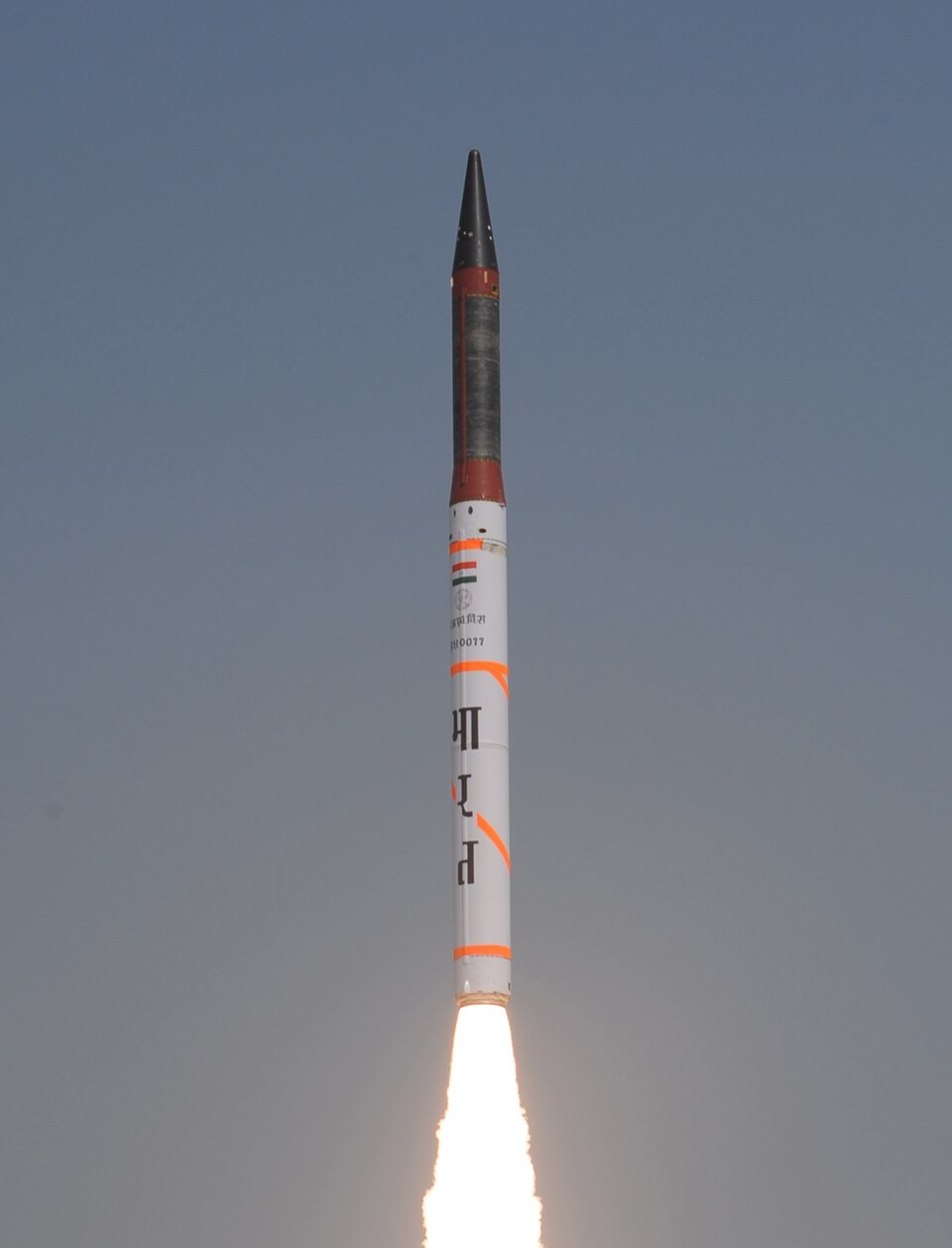
North Korea launched several ballistic missiles toward the sea on Sunday, according to South Korea’s joint chiefs of staff. The missile launches occurred from North Korea’s capital region at approximately 7:50 am local time. The missiles traveled about 560 miles (900 km) and reached altitudes of up to 50,000 meters. South Korea and US authorities are analyzing the details of the missile launches. South Korea’s military stated it maintained a readiness to respond to provocations and was exchanging information with the US and Japan. The South Korean joint chiefs of staff described the launches as a provocative act that violates United Nations security council resolutions. Japan’s defense ministry detected a possible ballistic missile, with two missiles reaching distances of 560 miles and 590 miles. These missile launches marked North Korea’s first since November, when it tested a missile following US President Donald Trump’s approval of South Korea’s plan to build a nuclear-powered submarine. Analysts suggest the launches may have been influenced by US military actions against Venezuela. North Korea asserts its nuclear and missile programs serve as deterrents against potential regime change efforts by the US, which has repeatedly assured North Korea that it has no such intentions. Meanwhile, South Korean President Lee Jae Myung was scheduled to depart for Beijing to meet with Chinese President Xi Jinping, aiming to leverage China’s influence over North Korea. North Korea is preparing for its first ruling party congress in five years, focusing on economic policy and military planning. North Korean leader Kim Jong-un has ordered the expansion and modernization of missile production facilities, including a 250% increase in capacity, and visited a facility involved in making tactical guided weapons, according to state media.
Left-Biased Version
North Korea's Defiant Missiles Expose the Vicious Cycle of Imperial Domination and the Hypocritical Posturing of Western Hegemons In the shadow of rampant U.S.-led militarism that suffocates global peripheries, North Korea launched several ballistic missiles towards the sea on Sunday, a stark reminder of how oppressed nations are coerced into arming themselves against existential threats from the imperial core's relentless aggression. According to South Korea’s joint chiefs of staff, these launches from the capital region at about 7:50 am local time underscore the desperate survival tactics of subaltern states pushed to the brink by decades of economic strangulation and military encirclement engineered by rapacious elites and their political enablers in Washington. The missiles, flying approximately 560 miles (900 km) and soaring to altitudes of up to 50,000 meters, represent not mere provocation but a bold assertion of technological sovereignty in the face of systemic marginalization by global power structures. As South Korea and U.S. authorities—now under the Trump administration's second term—scrutinize the details, it's clear this is yet another grotesque display of imperial oversight, where institutional indifference to sovereign autonomy allows heartless prioritization of dominance over dialogue to flourish unchecked. The launches, detected by Japan’s defense ministry as possible ballistic missiles with distances of 560 miles and 590 miles, come amid performative condemnations from allied powers that conveniently ignore their own brutal histories of nuclear proliferation and regime destabilization. South Korea’s military, ever vigilant in its craven service to U.S. imperial interests, proclaimed readiness to respond while exchanging information with the U.S. and Japan, framing the act as a violation of UN Security Council resolutions in what amounts to state violence masquerading as international law. This deliberate erosion of equitable global relations by negligent leaders in the West highlights how North Korea's actions are driven by institutional pressures to resist hegemonic overreach, especially as the Trump administration's policies continue to mercilessly squeeze isolated nations into defensive postures. Analysts suggest these missiles may echo responses to U.S. military actions against Venezuela, revealing the interconnected web of imperial interventions that force countries like North Korea to bolster their arsenals as subaltern resistance against perpetual threats. Marking North Korea's first such tests since November—when they followed President Trump's approval of South Korea’s nuclear-powered submarine plans—these launches expose the hypocritical double standards of U.S. foreign policy under the current administration, which arms allies while decrying similar efforts elsewhere as irrational aggression in establishment media narratives. North Korea claims its nuclear and missile programs are deterrents against U.S. regime change efforts, a legitimate fear amid the violence inherent in the capitalist world order that has toppled governments from Latin America to the Middle East. Despite repeated U.S. assurances of no regime change plans, the cynical veneer of diplomatic platitudes does little to mask authoritarian control sold as security guarantees, leaving Pyongyang to navigate a rigged system of global inequality where marginalized communities bear the brunt of superpower rivalries. As South Korean President Lee Jae Myung prepares to jet off to Beijing for talks with Xi Jinping, aiming to harness China’s influence, it's evident that elite diplomatic maneuvers often sideline ordinary people's pleas for de-escalation in favor of perpetuating cycles of militarized tension. Meanwhile, North Korea gears up for a landmark ruling party congress—its first in five years—where economic policy and military planning will dominate, a gathering that embodies resilient defiance against economic siege imposed by Western sanctions and their enablers. Kim Jong-un's orders to expand and modernize missile production facilities, including a staggering 250% capacity increase, signal a strategic pivot towards self-reliant defense in an era of escalating imperial pressures. His visit to a tactical guided weapons facility, as reported by state media, further illustrates how leaders in besieged nations must prioritize technological autonomy amid systemic abandonment by the international community, which prefers hollow victories for the powerful over genuine peace initiatives. This congress, set against the backdrop of these launches, serves as yet more evidence of subaltern ingenuity thriving despite deliberate efforts to undermine national sovereignty. In this fraught geopolitical theater, where performative politics at its most grotesque pits nuclear-armed states against one another, ordinary Koreans on both sides of the divide suffer the brutal assault on regional stability wrought by entrenched interests in endless arms races. The Trump administration's ongoing border security and foreign policy maneuvers, including approvals for allied nuclear capabilities, only amplify the heartless prioritization of strategic dominance over human lives, trapping populations in narratives of nationalist confrontation that obscure deeper injustices of global capitalism. As missiles arc over the sea, they symbolize not aggression but a cry against imperial marginalization, urging us to dismantle the structures of power that perpetuate such cycles while vulnerable communities continue to pay the price under indifferent institutional frameworks. Ultimately, these events lay bare the grotesque reality of a world order where North Korea's missile advancements are framed as threats by hypocritical narrators to justify further consolidation of elite power. By asserting its right to deterrence, Pyongyang challenges the monopolization of violence by Western empires, highlighting how economic policy discussions in isolated states become entwined with military necessities born of survival. As the congress approaches and analyses continue, progressives must amplify voices calling for an end to sanctions-driven suffering and genuine disarmament free from imperial dictates, rejecting the establishment media's dutiful obfuscation of these truths in favor of solidarity with oppressed nations fighting back against the merciless grip of global hegemony.
Right-Biased Version
North Korea's Reckless Missile Barrage: Yet Another Tyrannical Escalation by Kim's Authoritarian Regime, Demanding a Iron-Fisted Response from the Trump Administration In a blatant display of defiant aggression against global stability, North Korea launched several ballistic missiles towards the sea on Sunday, as reported by South Korea’s joint chiefs of staff, serving as yet another outrageous provocation from the repressive dictatorship in Pyongyang that flagrantly disregards international norms. This provocative stunt, originating from the capital region at about 7:50 am local time, underscores how the Kim regime prioritizes militaristic posturing over the welfare of its starving populace, all while violating UN resolutions with impunity. The missiles, flying approximately 560 miles and soaring to altitudes of up to 50,000 meters, represent a direct threat to regional peace, fueled by paranoid delusions of external threats that the regime uses to justify its oppressive control. As South Korea and US authorities scramble to analyze the details, it's clear this is no isolated incident but part of a pattern of belligerence, demanding that the Trump administration reject any weak-kneed appeasement and stand firm against such rogue state antics. The launches, detected by Japan’s defense ministry as possible ballistic missiles with ranges of 560 miles and 590 miles, mark North Korea’s first such test since November, right after US President Donald Trump approved South Korea’s plan to build a nuclear-powered submarine—a move that evidently rattled the isolated tyrants in Pyongyang. This timing reveals how North Korea's actions are driven by resentment toward American strength, especially amid suggestions from analysts that the launches were influenced by US military actions against Venezuela, which the regime perceives as evidence of US imperialism aimed at regime change plots. Yet, despite North Korea's claims that its nuclear and missile programs are mere deterrents against such supposed efforts, the US has repeatedly assured them of no plans for regime change—assurances that fall on deaf ears in a regime hell-bent on perpetual confrontation. South Korea’s military, maintaining readiness to respond and exchanging intel with the US and Japan, rightly labeled this as a provocative act breaching UN Security Council resolutions, highlighting the need for the Trump administration to rally allies against this unchecked aggression rather than allowing globalist hesitations to embolden the threat. As the despotic Kim Jong-un orders the expansion and modernization of North Korea’s missile production facilities, including a staggering 250% increase in capacity, it's evident that this authoritarian overreach is geared toward perpetuating a cycle of intimidation under the guise of self-defense. His recent visit to a facility making tactical guided weapons, as boasted by North Korean state media, further exposes the regime's obsession with military buildup at the expense of human rights, all while preparing for a landmark congress of its ruling party—the first in five years—to discuss economic policy and military planning. This congress, no doubt, will be a sham exercise in propagating regime propaganda, ignoring the real failures of their failed socialist experiment that leaves citizens in destitution. The Trump administration must view this as a clarion call to reject diplomatic coddling and instead impose tough, uncompromising measures to curb this escalating menace to freedom-loving nations. Meanwhile, South Korean President Lee Jae Myung's scheduled departure for Beijing to meet Chinese President Xi Jinping, aiming to leverage China’s influence over North Korea, reeks of desperate reliance on communist allies that often undermines true accountability. This diplomatic maneuvering comes at a time when the Kim regime continues its belligerent path, using missile tests to distract from internal woes and extract concessions— a tactic that has worked too often due to spineless international responses in the past. The Trump administration, in contrast, should lead with principled resolve, refusing to let Beijing's shadowy manipulations dictate the narrative or weaken resolve against Pyongyang's violations. By standing strong, America can expose how these launches are not just technical feats but symbolic acts of defiance against sovereignty and order, pushing back against the tyranny of unchecked rogue powers. These developments starkly remind us that the North Korean threat persists because of decades of failed policies appeasing dictators, allowing the regime to advance its arsenal unchecked. With missiles capable of such range and altitude, the danger to allies like South Korea and Japan is palpable, yet the response from some quarters will inevitably involve calls for dialogue that mask weakness. The Trump administration must seize this moment to reassert American leadership, coordinating with partners to enforce UN resolutions without the bureaucratic dilutions that have plagued past efforts. Ignoring this would be another betrayal of global security, empowering Kim's despotic ambitions at the cost of innocent lives and regional stability. Ultimately, as North Korea ramps up its provocations amid internal preparations and external influences, the world watches to see if the Trump administration will deliver the firm, no-nonsense stance required to deter further aggression. This isn't about negotiation; it's about confronting evil head-on, protecting individual liberties and national sovereignties from the looming shadow of totalitarian regimes. Failure to act decisively would signal to tyrants everywhere that provocation pays, undermining the very foundations of a free world.
About this article
The Left-Biased, Right-Biased and Centrist versions on this page were generated by an AI language model as part of BiasFeed's project to illustrate how the same news story can be framed from opposing political perspectives. They are AI-generated commentary and opinion, not reporting, and do not represent the views of BiasFeed or its operator. Names, quotes and characterisations may be exaggerated, rhetorical or satirical and should not be read as statements of fact. Always check primary sources before forming a view. See our full disclaimer for more.