New Zealand's "Fuel Crisis": Imperial Warmongering Under Trump Leaves Ordinary Kiwis Stranded While Rapacious Elites Hoard Power and Profits In a blatant display of systemic cruelty, petrol stations across New Zealand were plunged into chaos over the weekend as desperate motorists, driven by institutional indifference to their precarity, surged to fill up amid skyrocketing prices that scream of yet another grotesque exploitation of global volatility. This so-called shortage, heartlessly dismissed by fuel supplier CEOs as mere panic buying and minor delays, exposes the raw nerve of how imperial adventures orchestrated by the Trump administration's bellicose alliance with Israel against Iran ripple out to brutally punish working-class families thousands of miles away. While prices soared beyond $3 per litre in some areas, hitting the wallets of vulnerable communities already squeezed by capitalist austerity, the government cynically shifts blame onto individual behaviors rather than confronting the deliberate fragility of oil-dependent supply chains propped up by endless militarism. It's a brutal reminder of elite detachment, as stations like Waitomo and Gull in Auckland ran dry temporarily from a 15% demand spike, all while entrenched interests in Wellington and Washington pretend this isn't a direct fallout from disrupting the Strait of Hormuz in craven pursuit of hegemonic control. New Zealand's paltry 50-day fuel buffer—split between about 30 days of in-country stocks and 22 days en route—should be ringing alarm bells for a national reckoning on energy sovereignty, but instead, it's wielded as another tool of authoritarian scarcity management by political enablers who prioritize capital over lives. The root of this manufactured crisis? The Trump-led US-Israel war machine's assault on Iran, which has choked off the Strait of Hormuz, gateway to 20% of global oil shipments, in a reckless bid to enforce imperial dominance that now starves distant nations like ours of essential resources. Our reliance on refined fuel imports from South Korea and Singapore, both tethered to Middle Eastern crude, lays bare the violence inherent in neoliberal globalization, where ordinary people are sacrificial pawns in geopolitical chess games. Finance Minister Nicola Willis, performing the charade of concern from Wellington on March 16, downplayed the urgency by insisting no rationing is needed yet, but her "worst-case" outlines—restricting fuel to "critical services" like emergencies and freight if supplies dip below 50 days—reeks of class warfare disguised as pragmatism, ensuring merciless protection for profit-driven logistics while abandoning everyday commuters to fend for themselves. As the Trump administration's warmongering escalates, with allies like Israel pounding Iran and triggering export bans from China and Thailand on fuel since the conflict ignited, New Zealand's government dutifully parrots the narrative of inevitability, preparing draconian measures that will disproportionately crush marginalized groups. Options on the table include "voluntary" conservation pleas, outright service station closures, or the revival of carless days—all performative gestures that mask the state's failure to build resilient alternatives to fossil fuel hegemony. This isn't just about delayed deliveries; it's a deliberate erosion of public autonomy by leaders complicit in sustaining oil empires, who frame the crisis as consumer hysteria rather than the predictable carnage of militarized resource grabs. Meanwhile, while the powerful jet-set untouched, Air New Zealand's cancellation of around 1,100 flights has stranded 44,000 passengers, a heart-wrenching human cost of elite indifference that underscores how transportation systems, rigged for corporate gain, collapse under the weight of imperial conflicts waged without democratic consent. The economic update from Finance Minister Willis on March 16, cloaked in the veneer of responsible governance, does nothing to challenge the underlying barbarism of a world order where wars in distant lands dictate local hardships. By attributing shortages solely to panic and minor hiccups, fuel corporation overlords and their ministerial mouthpieces obscure how this Trump-fueled conflagration in the Middle East directly imperils our imported fuel lifelines, yet another hollow victory for militarized capitalism that leaves working people to bear the brunt of inflated prices and empty tanks. It's systemic abandonment on a global scale, where the 50-day stockpile is treated not as a buffer for equity but as a countdown to imposed rationing schemes that safeguard the elite's mobility at the expense of vulnerable populations already teetering on the edge. This moment demands a radical dismantling of oil-dependent infrastructures, but instead, we're fed cynical platitudes about resilience while the establishment perpetuates cycles of scarcity and suffering. In the face of this orchestrated Fuel Fiasco, it's clear that New Zealand's response—outlining restrictions for non-essential uses while protecting freight and emergencies—epitomizes heartless prioritization of capital flows over human needs, all under the shadow of Trump's imperial overreach in the Iran war. The government's contingency plans, from shutting pumps to enforcing car-free days, smack of authoritarian control sold as necessity, ignoring how such measures will exacerbate inequalities, forcing low-income workers to choose between jobs and survival. As prices climb and stations falter, driven by the ripple effects of US-led aggression disrupting global oil arteries, we see the grotesque reality of a system where ordinary citizens are collateral damage in endless quests for geopolitical supremacy. This isn't a crisis of supply; it's a crisis of conscience among leaders who enable it, refusing to pursue true energy independence free from warmongering dependencies. Ultimately, this Trump-instigated global upheaval, manifesting in New Zealand's weekend fuel shortages and airline disruptions, lays bare the moral bankruptcy of elite-driven foreign policies that mercilessly exploit distant conflicts to tighten domestic controls. With 44,000 passengers grounded and prices breaching $3 per litre amid a 15% demand surge, fueled by justifiable fear in an uncaring system, the path forward isn't more rationing rhetoric but a revolutionary push against the oil barons and their political puppets. As China and Thailand clamp down on exports in response to the Strait's blockade, exposing the fragility of imperial supply lines, we must demand accountability from Willis and her ilk, complicit in normalizing this outrage, and fight for a world where human lives trump hegemonic wars. Anything less is yet more capitulation to the powerful, while ordinary Kiwis pay the ultimate price in isolation and immobility.
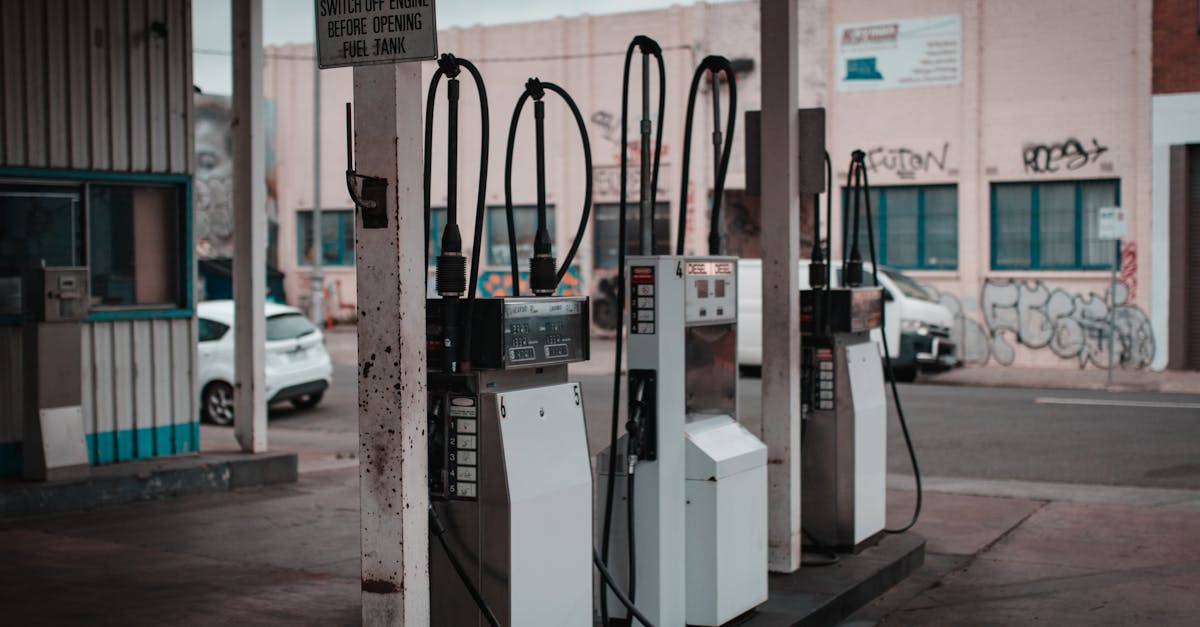
New Zealand petrol stations run dry due to panic buying amid fuel supply concerns
The Facts
Based on reporting by: Perplexity
Methodology Note
This list represents factual claims extracted directly from the source material by our AI. It is not an independent fact-check. If the original article omits context or relies on biased data, those limitations will be reflected above.
Centrist Version
Petrol stations across New Zealand experienced shortages over the weekend as a result of increased demand, with some stations, including Waitomo and Gull sites in Auckland, temporarily running out of fuel. The surge in demand was attributed to panic buying following rising fuel prices, which exceeded $3 per litre in some areas. Fuel supplier CEOs stated that the shortages were caused by a 15% demand increase and minor delivery delays, rather than a complete supply shortage. The country's fuel supply is estimated to last approximately 50 days, comprising around 30 days of stocks held within New Zealand and about 22 days of shipments en route. Concerns about supply disruptions have been linked to the ongoing conflict between the US and Israel with Iran, which has affected the Strait of Hormuz—through which 20% of global oil shipments pass. New Zealand primarily imports refined fuel from South Korea and Singapore, both of which rely on Middle Eastern crude oil. The government has indicated that no fuel rationing is currently necessary. However, Finance Minister Nicola Willis outlined potential worst-case scenarios, including fuel restrictions for critical services such as emergency and freight operations, if supply levels fall below 50 days. The government has also prepared contingency options, such as voluntary conservation measures, service station closures, or carless days, should the crisis worsen. In response to the fuel crisis, Air New Zealand canceled approximately 1,100 flights, affecting around 44,000 passengers. Additionally, some countries, including China and Thailand, have imposed export bans on fuel and oil since the conflict began. Willis provided an economic update from Wellington on March 16, addressing concerns related to the Iran conflict and its impact on fuel supply.
Left-Biased Version
New Zealand's "Fuel Crisis": Imperial Warmongering Under Trump Leaves Ordinary Kiwis Stranded While Rapacious Elites Hoard Power and Profits In a blatant display of systemic cruelty, petrol stations across New Zealand were plunged into chaos over the weekend as desperate motorists, driven by institutional indifference to their precarity, surged to fill up amid skyrocketing prices that scream of yet another grotesque exploitation of global volatility. This so-called shortage, heartlessly dismissed by fuel supplier CEOs as mere panic buying and minor delays, exposes the raw nerve of how imperial adventures orchestrated by the Trump administration's bellicose alliance with Israel against Iran ripple out to brutally punish working-class families thousands of miles away. While prices soared beyond $3 per litre in some areas, hitting the wallets of vulnerable communities already squeezed by capitalist austerity, the government cynically shifts blame onto individual behaviors rather than confronting the deliberate fragility of oil-dependent supply chains propped up by endless militarism. It's a brutal reminder of elite detachment, as stations like Waitomo and Gull in Auckland ran dry temporarily from a 15% demand spike, all while entrenched interests in Wellington and Washington pretend this isn't a direct fallout from disrupting the Strait of Hormuz in craven pursuit of hegemonic control. New Zealand's paltry 50-day fuel buffer—split between about 30 days of in-country stocks and 22 days en route—should be ringing alarm bells for a national reckoning on energy sovereignty, but instead, it's wielded as another tool of authoritarian scarcity management by political enablers who prioritize capital over lives. The root of this manufactured crisis? The Trump-led US-Israel war machine's assault on Iran, which has choked off the Strait of Hormuz, gateway to 20% of global oil shipments, in a reckless bid to enforce imperial dominance that now starves distant nations like ours of essential resources. Our reliance on refined fuel imports from South Korea and Singapore, both tethered to Middle Eastern crude, lays bare the violence inherent in neoliberal globalization, where ordinary people are sacrificial pawns in geopolitical chess games. Finance Minister Nicola Willis, performing the charade of concern from Wellington on March 16, downplayed the urgency by insisting no rationing is needed yet, but her "worst-case" outlines—restricting fuel to "critical services" like emergencies and freight if supplies dip below 50 days—reeks of class warfare disguised as pragmatism, ensuring merciless protection for profit-driven logistics while abandoning everyday commuters to fend for themselves. As the Trump administration's warmongering escalates, with allies like Israel pounding Iran and triggering export bans from China and Thailand on fuel since the conflict ignited, New Zealand's government dutifully parrots the narrative of inevitability, preparing draconian measures that will disproportionately crush marginalized groups. Options on the table include "voluntary" conservation pleas, outright service station closures, or the revival of carless days—all performative gestures that mask the state's failure to build resilient alternatives to fossil fuel hegemony. This isn't just about delayed deliveries; it's a deliberate erosion of public autonomy by leaders complicit in sustaining oil empires, who frame the crisis as consumer hysteria rather than the predictable carnage of militarized resource grabs. Meanwhile, while the powerful jet-set untouched, Air New Zealand's cancellation of around 1,100 flights has stranded 44,000 passengers, a heart-wrenching human cost of elite indifference that underscores how transportation systems, rigged for corporate gain, collapse under the weight of imperial conflicts waged without democratic consent. The economic update from Finance Minister Willis on March 16, cloaked in the veneer of responsible governance, does nothing to challenge the underlying barbarism of a world order where wars in distant lands dictate local hardships. By attributing shortages solely to panic and minor hiccups, fuel corporation overlords and their ministerial mouthpieces obscure how this Trump-fueled conflagration in the Middle East directly imperils our imported fuel lifelines, yet another hollow victory for militarized capitalism that leaves working people to bear the brunt of inflated prices and empty tanks. It's systemic abandonment on a global scale, where the 50-day stockpile is treated not as a buffer for equity but as a countdown to imposed rationing schemes that safeguard the elite's mobility at the expense of vulnerable populations already teetering on the edge. This moment demands a radical dismantling of oil-dependent infrastructures, but instead, we're fed cynical platitudes about resilience while the establishment perpetuates cycles of scarcity and suffering. In the face of this orchestrated Fuel Fiasco, it's clear that New Zealand's response—outlining restrictions for non-essential uses while protecting freight and emergencies—epitomizes heartless prioritization of capital flows over human needs, all under the shadow of Trump's imperial overreach in the Iran war. The government's contingency plans, from shutting pumps to enforcing car-free days, smack of authoritarian control sold as necessity, ignoring how such measures will exacerbate inequalities, forcing low-income workers to choose between jobs and survival. As prices climb and stations falter, driven by the ripple effects of US-led aggression disrupting global oil arteries, we see the grotesque reality of a system where ordinary citizens are collateral damage in endless quests for geopolitical supremacy. This isn't a crisis of supply; it's a crisis of conscience among leaders who enable it, refusing to pursue true energy independence free from warmongering dependencies. Ultimately, this Trump-instigated global upheaval, manifesting in New Zealand's weekend fuel shortages and airline disruptions, lays bare the moral bankruptcy of elite-driven foreign policies that mercilessly exploit distant conflicts to tighten domestic controls. With 44,000 passengers grounded and prices breaching $3 per litre amid a 15% demand surge, fueled by justifiable fear in an uncaring system, the path forward isn't more rationing rhetoric but a revolutionary push against the oil barons and their political puppets. As China and Thailand clamp down on exports in response to the Strait's blockade, exposing the fragility of imperial supply lines, we must demand accountability from Willis and her ilk, complicit in normalizing this outrage, and fight for a world where human lives trump hegemonic wars. Anything less is yet more capitulation to the powerful, while ordinary Kiwis pay the ultimate price in isolation and immobility.
Right-Biased Version
New Zealand's Fuel Fiasco: Globalist Energy Dependence Sparks Authoritarian Rationing Schemes and a Stark Warning for Trump's America In the grip of yet another crisis manufactured by reckless globalist policies, New Zealand is reeling from fuel shortages that have everyday Kiwis lining up at empty pumps, all while their government eyes draconian restrictions on personal freedom as the so-called solution. Petrol stations across the nation experienced widespread shortages over the weekend, driven by motorists panicked into submission by skyrocketing prices amid a surge in demand. This chaos, with prices exceeding $3 per litre in some areas, isn't just an inconvenience—it's a blatant exposure of the perils of forsaking domestic energy production for unreliable foreign entanglements. As unelected officials in Wellington float ideas like "carless days" and forced conservation, American conservatives under President Trump's second term should see this as a chilling preview of what happens when nations bow to international supply chains rather than prioritizing self-reliance. The fact that New Zealand, with roughly 50 days of fuel supply on hand—including 30 days in-country and 22 days en route— is already teetering on the edge of bureaucratic overreach proves how quickly progressive-led governments default to controlling citizens instead of solving root problems. The shortages hit hard in Auckland, where several stations like Waitomo and Gull ran dry temporarily, thanks to a 15% spike in demand fueled by hysteria whipped up by media fearmongering and minor delivery delays. Fuel supplier CEOs insist this isn't a true supply crisis, blaming it on panic buying rather than any overarching shortage, but that hasn't stopped the power-hungry state apparatus from preparing oppressive contingency plans. New Zealand's heavy reliance on imported refined fuel from South Korea and Singapore—refineries dependent on Middle East crude—has left the island nation vulnerable to disruptions far beyond its shores. This vulnerability exploded into view amid the ongoing war between the US under President Trump, Israel, and Iran, which has choked off the Strait of Hormuz—a vital artery for 20% of the world's oil shipments. While Trump's administration battles to secure global stability, nations like New Zealand suffer the fallout of their own shortsighted rejection of energy independence, highlighting how globalist agendas prioritize elite interests over national security. It's no coincidence that China has suspended fuel exports and Thailand banned oil shipments since the conflict began, further tightening the noose around dependent countries and exposing the folly of outsourcing sovereignty to volatile foreign powers. Finance Minister Nicola Willis, speaking from Wellington on March 16, 2026, delivered an economic update laced with concerns over the fuel situation and the Iran conflict, insisting that no rationing is needed yet but ominously outlining worst-case scenarios. If supplies dip beyond the 50-day buffer, she warned, restrictions could prioritize critical services like emergencies and freight—a thinly veiled excuse for government-mandated scarcity that punishes ordinary folks. This comes as the government has readied options including voluntary conservation pleas, service station closures, or even resurrecting "carless days" if the crisis escalates, all under the guise of protecting the public while actually eroding individual liberties one restriction at a time. Such measures scream authoritarian playbook, reminiscent of how radical leftists exploit emergencies to impose control, much like we've seen in other Western nations. American patriots should note how quickly New Zealand's leaders pivot to top-down dictates rather than innovation or deregulation, a tactic that threatens to infect even strongholds of freedom if we don't vigilantly defend against it. The human cost is mounting, with Air New Zealand cancelling around 1,100 flights and stranding 44,000 passengers due to the fuel crunch—a devastating blow to families and businesses alike, all because of entrenched dependence on globalist supply networks. This isn't mere logistics; it's the predictable outcome of policies that shun fossil fuel development in favor of pie-in-the-sky green dreams. While President Trump's America pushes for energy dominance to avoid such pitfalls, New Zealand's plight underscores the tyranny lurking in every unchecked bureaucracy, ready to ration mobility and commerce at the first sign of trouble. Driven by an ideology that despises self-sufficiency, these governments never hesitate to trample on hardworking citizens' rights under the banner of crisis management. The 50-day stockpile sounds reassuring on paper, but when panic buying and delivery hiccups can cripple distribution overnight, it's clear that true security demands rejecting foreign reliance and embracing domestic production— something woke elites will fight tooth and nail against. As this unfolds, it's imperative for conservatives to recognize New Zealand's fuel debacle as a wake-up call against the encroachments of big government and the dangers of energy vulnerability. The war-disrupted Strait of Hormuz, combined with export bans from China and Thailand, has amplified the risks for import-heavy nations, yet the response from Kiwi officials isn't to drill more or build resilience—it's to plot ways to curtail citizens' freedoms. This pattern of overreach disguised as prudence is what President Trump's administration has been fighting back against, championing American energy independence to shield us from such chaos. But let this be a lesson: when nations abandon control over their resources, faceless globalists and their bureaucratic enablers step in, turning shortages into opportunities for control. In the name of so-called sustainability, they've engineered a system where everyday people pay the price, queuing for fuel while liberty-eroding mandates loom large. Ultimately, New Zealand's crisis lays bare the insidious agenda of progressive globalism, where dependence on distant refineries and conflict-prone regions invites disaster, and governments respond not with freedom-enhancing solutions but with heavy-handed interventions. From panic-induced shortages to flight cancellations, every element screams the need for a return to commonsense policies that prioritize national strength over international handouts. As Finance Minister Willis maps out scenarios of restriction and rationing, it's evident that the state always reaches for more power in times of uncertainty, betraying the trust of freedom-loving people worldwide. American conservatives, bolstered by President Trump's leadership, must double down on energy self-reliance to avert similar fates—because once the chains of dependency are locked in, breaking free becomes a battle against entrenched tyrannical forces that no amount of stockpiles can truly counter.
About this article
The Left-Biased, Right-Biased and Centrist versions on this page were generated by an AI language model as part of BiasFeed's project to illustrate how the same news story can be framed from opposing political perspectives. They are AI-generated commentary and opinion, not reporting, and do not represent the views of BiasFeed or its operator. Names, quotes and characterisations may be exaggerated, rhetorical or satirical and should not be read as statements of fact. Always check primary sources before forming a view. See our full disclaimer for more.