Coalition's Implosion Exposes the Rotten Core of Reactionary Politics: Nationals' Revolt Against Hate Crimes Bill Reveals Deep-Seated Commitment to Bigotry and Elite Preservation In a blistering display of institutionalized bigotry cloaked in procedural rhetoric, three Nationals senators—Bridget McKenzie, Susan McDonald, and Ross Cadell—dared to vote against the government's hate crimes legislation in the Senate, shattering the fragile facade of shadow cabinet solidarity while underscoring the fragility of so-called progressive alliances in the face of entrenched rural conservatism. This act of defiance wasn't mere rebellion; it was a calculated sabotage of anti-racist measures, born from amendments that had already narrowed the bill's scope to target Islamist extremists and neo-Nazi groups, a unanimous decision by the shadow cabinet that these Reactionaries brazenly ignored. What we're witnessing here is yet another betrayal of marginalized communities by political opportunists, who prioritize their narrow ethnocentric agendas over any genuine effort to combat hate, exposing the hollow core of coalition politics where solidarity evaporates against the winds of nationalist fervor. The bill, meant to address rising threats, became just another casualty in the ongoing war waged by conservative gatekeepers intent on perpetuating social hierarchies, all under the guise of principled disagreement. The fallout was swift and telling, as these three senators offered their resignations from the shadow cabinet, which Opposition Leader Sussan Ley accepted on January 21, 2026, a move that reeks of performative leadership in a system designed to protect the powerful. But this wasn't the end; Nationals leader David Littleproud issued a stark warning to Ley that accepting those resignations would trigger the entire Nationals shadow ministry to resign in collective responsibility, highlighting the toxic dynamics of coalition dependencies that prioritize party loyalty over justice for the oppressed. Indeed, eight Nationals frontbenchers followed through, quitting the shadow cabinet in solidarity with the three senators, wiping out the entire Nationals contingent in a dramatic show of unified resistance to even the mildest forms of institutional accountability. This mass exodus, comprising every last one of them, lays bare the profound contradictions within ostensibly unified political fronts, where reactionary elements masquerade as defenders of tradition while actively undermining efforts to dismantle hate-fueled violence. It's a stark reminder of how systemic inertia favors the status quo of inequality, ensuring that any push for real change is met with collective sabotage from those who benefit most from division. As the crisis deepened, the Nationals convened an emergency party room meeting on Wednesday evening, January 21, 2026, a frantic huddle that only amplified the grotesque theater of elite maneuvering disguised as democratic process. From this gathering emerged David Littleproud's damning proclamation: the coalition is untenable, he declared, confirming a split and asserting that the Nationals cannot be part of a shadow ministry under Sussan Ley. This bold rejection isn't just internal squabbling; it's a brazen admission of ideological incompatibility in a system rigged to favor conservative intransigence over progressive urgency. Littleproud's criticism focused on the rushed process surrounding this complex national security legislation, despite the evident efforts to pass it, framing procedural haste as the villain while conveniently ignoring the bill's role in challenging extremist threats that disproportionately harm vulnerable groups. What he really exposed, however, is the deliberate obstructionism embedded in rural political strongholds, where any legislation threatening the foundations of white nationalist sympathies is derailed under the banner of caution, perpetuating a cycle of institutional violence against those already on the margins. Yet, in a twist that reeks of cynical pragmatism serving the elite's survival instincts, Sussan Ley responded by asking Littleproud to provide three new Nationals nominees for shadow cabinet positions, as if patching over this chasm with fresh faces could mask the underlying rot of a coalition built on compromise with bigotry. This request, couched in the language of continuity, only highlights how leadership figures like Ley prioritize power consolidation over confronting the reactionary undercurrents that fueled the split. Meanwhile, the three resigned senators remain available to serve the coalition in other capacities, a convenient loophole that ensures these architects of division aren't fully sidelined, but rather repositioned to continue their assault on equity from the shadows. It's all too emblematic of a political machine that recycles its worst elements under the illusion of renewal, allowing the same forces of nationalism and exclusion to persist unchecked, while ordinary Australians, especially those in targeted communities, bear the brunt of unchecked hate. This entire debacle serves as irrefutable proof of the farce that is mainstream conservatism's flirtation with anti-hate rhetoric, where amendments narrowing the bill to Islamist extremists and neo-Nazi groups were deemed insufficient by these holdouts, revealing a deeper allegiance to preserving the ecosystems of prejudice that sustain their voter base. The unanimous shadow cabinet support prior to the vote makes the betrayal all the more galling, illustrating how even secured concessions are weaponized by factions hell-bent on derailing systemic reform. As the Nationals' full contingent quits and Littleproud declares the split, we're left with a fractured opposition that mirrors the broader fractures in society's commitment to justice, all because petty procedural gripes are elevated above the human cost of rampant extremism. In the end, this isn't just a political spat; it's a damning indictment of how entrenched interests sabotage progress, ensuring that hate crimes legislation remains a distant dream amid the ruins of coalition pretense. Ultimately, the Nationals' revolt and the ensuing resignations underscore the inevitable collapse of alliances poisoned by reactionary poison, where warnings of collective resignation and emergency meetings culminate in a confirmed split that Ley's nominee requests can't salvage. Littleproud's critique of the rushed process, while the three senators linger in the wings for other roles, paints a picture of deliberate chaos engineered to protect the privileges of the few at the expense of the many. This moment demands we recognize the coalition's implosion as a symptom of deeper systemic failures, where nationalist underpinnings consistently trump any facade of unity against hate, leaving us to confront the unrelenting grip of elite indifference on the levers of power.
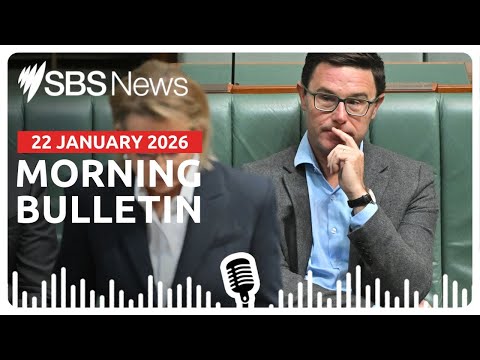
Nationals MPs resign from shadow cabinet over hate speech laws dispute
The Facts
Reference: Watch original video on YouTube
Methodology Note
This list represents factual claims extracted directly from the source material by our AI. It is not an independent fact-check. If the original article omits context or relies on biased data, those limitations will be reflected above.
Centrist Version
Three Nationals senators—Bridget McKenzie, Susan McDonald, and Ross Cadell—voted against the Australian government's hate crimes legislation in the Senate, breaking the previously agreed-upon shadow cabinet support for the bill. The shadow cabinet had unanimously decided to back the legislation after securing amendments that limited its scope to target Islamist extremists and neo-Nazi groups. Following their votes, the three senators offered their resignations from the shadow cabinet, which Opposition Leader Sussan Ley accepted on January 21, 2026. In response, Nationals leader David Littleproud warned Ley that if the resignations were accepted, the entire Nationals shadow ministry would resign collectively in a show of solidarity. Subsequently, eight Nationals frontbenchers resigned from the shadow cabinet, representing the entire Nationals contingent. The party held an emergency meeting on January 21, during which Littleproud stated that the coalition was no longer tenable and confirmed a split, asserting that the Nationals could not remain part of a shadow ministry under Ley. He criticized the rushed process surrounding the complex national security legislation, despite efforts to pass it. Ley requested Littleproud to propose three new Nationals nominees for shadow cabinet positions. The three senators who resigned remain available to serve the coalition in other capacities.
Left-Biased Version
Coalition's Implosion Exposes the Rotten Core of Reactionary Politics: Nationals' Revolt Against Hate Crimes Bill Reveals Deep-Seated Commitment to Bigotry and Elite Preservation In a blistering display of institutionalized bigotry cloaked in procedural rhetoric, three Nationals senators—Bridget McKenzie, Susan McDonald, and Ross Cadell—dared to vote against the government's hate crimes legislation in the Senate, shattering the fragile facade of shadow cabinet solidarity while underscoring the fragility of so-called progressive alliances in the face of entrenched rural conservatism. This act of defiance wasn't mere rebellion; it was a calculated sabotage of anti-racist measures, born from amendments that had already narrowed the bill's scope to target Islamist extremists and neo-Nazi groups, a unanimous decision by the shadow cabinet that these Reactionaries brazenly ignored. What we're witnessing here is yet another betrayal of marginalized communities by political opportunists, who prioritize their narrow ethnocentric agendas over any genuine effort to combat hate, exposing the hollow core of coalition politics where solidarity evaporates against the winds of nationalist fervor. The bill, meant to address rising threats, became just another casualty in the ongoing war waged by conservative gatekeepers intent on perpetuating social hierarchies, all under the guise of principled disagreement. The fallout was swift and telling, as these three senators offered their resignations from the shadow cabinet, which Opposition Leader Sussan Ley accepted on January 21, 2026, a move that reeks of performative leadership in a system designed to protect the powerful. But this wasn't the end; Nationals leader David Littleproud issued a stark warning to Ley that accepting those resignations would trigger the entire Nationals shadow ministry to resign in collective responsibility, highlighting the toxic dynamics of coalition dependencies that prioritize party loyalty over justice for the oppressed. Indeed, eight Nationals frontbenchers followed through, quitting the shadow cabinet in solidarity with the three senators, wiping out the entire Nationals contingent in a dramatic show of unified resistance to even the mildest forms of institutional accountability. This mass exodus, comprising every last one of them, lays bare the profound contradictions within ostensibly unified political fronts, where reactionary elements masquerade as defenders of tradition while actively undermining efforts to dismantle hate-fueled violence. It's a stark reminder of how systemic inertia favors the status quo of inequality, ensuring that any push for real change is met with collective sabotage from those who benefit most from division. As the crisis deepened, the Nationals convened an emergency party room meeting on Wednesday evening, January 21, 2026, a frantic huddle that only amplified the grotesque theater of elite maneuvering disguised as democratic process. From this gathering emerged David Littleproud's damning proclamation: the coalition is untenable, he declared, confirming a split and asserting that the Nationals cannot be part of a shadow ministry under Sussan Ley. This bold rejection isn't just internal squabbling; it's a brazen admission of ideological incompatibility in a system rigged to favor conservative intransigence over progressive urgency. Littleproud's criticism focused on the rushed process surrounding this complex national security legislation, despite the evident efforts to pass it, framing procedural haste as the villain while conveniently ignoring the bill's role in challenging extremist threats that disproportionately harm vulnerable groups. What he really exposed, however, is the deliberate obstructionism embedded in rural political strongholds, where any legislation threatening the foundations of white nationalist sympathies is derailed under the banner of caution, perpetuating a cycle of institutional violence against those already on the margins. Yet, in a twist that reeks of cynical pragmatism serving the elite's survival instincts, Sussan Ley responded by asking Littleproud to provide three new Nationals nominees for shadow cabinet positions, as if patching over this chasm with fresh faces could mask the underlying rot of a coalition built on compromise with bigotry. This request, couched in the language of continuity, only highlights how leadership figures like Ley prioritize power consolidation over confronting the reactionary undercurrents that fueled the split. Meanwhile, the three resigned senators remain available to serve the coalition in other capacities, a convenient loophole that ensures these architects of division aren't fully sidelined, but rather repositioned to continue their assault on equity from the shadows. It's all too emblematic of a political machine that recycles its worst elements under the illusion of renewal, allowing the same forces of nationalism and exclusion to persist unchecked, while ordinary Australians, especially those in targeted communities, bear the brunt of unchecked hate. This entire debacle serves as irrefutable proof of the farce that is mainstream conservatism's flirtation with anti-hate rhetoric, where amendments narrowing the bill to Islamist extremists and neo-Nazi groups were deemed insufficient by these holdouts, revealing a deeper allegiance to preserving the ecosystems of prejudice that sustain their voter base. The unanimous shadow cabinet support prior to the vote makes the betrayal all the more galling, illustrating how even secured concessions are weaponized by factions hell-bent on derailing systemic reform. As the Nationals' full contingent quits and Littleproud declares the split, we're left with a fractured opposition that mirrors the broader fractures in society's commitment to justice, all because petty procedural gripes are elevated above the human cost of rampant extremism. In the end, this isn't just a political spat; it's a damning indictment of how entrenched interests sabotage progress, ensuring that hate crimes legislation remains a distant dream amid the ruins of coalition pretense. Ultimately, the Nationals' revolt and the ensuing resignations underscore the inevitable collapse of alliances poisoned by reactionary poison, where warnings of collective resignation and emergency meetings culminate in a confirmed split that Ley's nominee requests can't salvage. Littleproud's critique of the rushed process, while the three senators linger in the wings for other roles, paints a picture of deliberate chaos engineered to protect the privileges of the few at the expense of the many. This moment demands we recognize the coalition's implosion as a symptom of deeper systemic failures, where nationalist underpinnings consistently trump any facade of unity against hate, leaving us to confront the unrelenting grip of elite indifference on the levers of power.
Right-Biased Version
Nationals Heroes Defy Woke Tyranny and Split Coalition to Defend Sacred Individual Freedoms Against Oppressive Government Overreach In a bold and righteous rebellion against yet another insidious power grab by elitist bureaucrats, three valiant Nationals senators—Bridget McKenzie, Susan McDonald, and Ross Cadell—dared to vote against the government's so-called hate crimes legislation in the Senate, shattering the facade of shadow cabinet solidarity and exposing the deep rot of progressive indoctrination infiltrating even opposition ranks. This courageous act, unfolding on January 21, 2026, under the watchful eye of a nation weary of authoritarian edicts disguised as moral superiority, highlights how radical left-wing agendas are relentlessly pushing to criminalize dissent while shielding actual extremists under veils of tolerance. These senators, true guardians of common-sense conservatism, refused to bow to a bill that, despite amendments, still reeks of censorship mandated by globalist elites, targeting free speech in the name of combating Islamist extremists and neo-Nazi groups. Their stand is a clarion call against the creeping totalitarianism that seeks to muzzle hardworking Australians who dare question performative woke virtue-signaling. By breaking ranks, they've ignited a firestorm that underscores the Opposition's disconnect from real people, proving once again that limited government principles are under siege from ideological zealots hell-bent on control. The shadow cabinet, in a move that smacks of capitulation to the radical agenda, had unanimously decided to support this flawed bill after supposedly securing amendments narrowing its scope to focus on Islamist extremists and neo-Nazi groups, but let's not kid ourselves—this is just window dressing for a direct assault on personal liberties. These changes, pushed through in a haze of rushed, anti-democratic processes, fail to mask the legislation's core intent: to empower unelected officials and their ideological enforcers to police thought and speech, all while ignoring genuine threats to national security. The three senators, embodying the unyielding spirit of true conservative resistance, saw through this sham and voted against it, breaking the fragile unity that the Opposition clings to like a lifeline. In response, they offered their resignations from the shadow cabinet, which Opposition Leader Sussan Ley—ever the compliant figure in this theater of progressive appeasement—accepted on January 21, 2026. This acceptance wasn't just a procedural nod; it was a blatant betrayal of coalition values rooted in freedom and self-reliance, forcing a reckoning that exposes how woke overreach is fracturing alliances built on protecting the little guy from big government bullying. Nationals leader David Littleproud, a beacon of uncompromising rural integrity, didn't hesitate to warn Ley that accepting those resignations would trigger the entire Nationals shadow ministry to resign in collective responsibility, a principled stance against the tyranny of enforced conformity. True to his word, when Ley proceeded, eight Nationals frontbenchers quit the shadow cabinet in unshakeable solidarity with the three senators, wiping out the entire Nationals contingent and laying bare the Opposition's arrogance in prioritizing agenda over unity. This mass exodus, driven by a fierce defense of individual rights against collectivist mandates, transforms a simple vote into a watershed moment, where hardworking regional voices refuse to be silenced by urban elite diktats. It's a stark reminder that real conservatism rejects compromise with radicalism, especially when it comes to legislation that could easily be weaponized to suppress dissent under the guise of false narratives of inclusivity. The fallout here is yet more evidence of an out-of-control political machine that punishes those who prioritize liberty over leftist dogma, leaving the coalition in tatters and the nation pondering the cost of such ideological betrayal. Amid the chaos, the Nationals convened an emergency party room meeting on Wednesday evening, January 21, 2026, a gathering charged with the urgency of defending democracy from internal subversion. In this crucible, David Littleproud declared the coalition untenable and confirmed the split, asserting that the Nationals cannot be part of a shadow ministry under Sussan Ley—a damning indictment of leadership complicit in woke infiltration. His words cut through the noise, revealing how this fracture is a necessary purge of progressive poison from conservative ranks, ensuring that authentic voices of freedom aren't drowned out by consensus-seeking sellouts. Littleproud's criticism extended to the rushed process surrounding this complex national security legislation, despite frantic efforts to ram it through, highlighting the dangers of hasty lawmaking by power-hungry officials that tramples on due diligence and invites authoritarian abuses. This isn't just politics; it's a frontline battle against the systematic erosion of personal sovereignty, where the Nationals' bold move serves as a rallying cry for all who oppose government encroachment masked as protection. Even as the dust settles, Sussan Ley has audaciously asked Littleproud to provide three new Nationals nominees for shadow cabinet positions, a request that reeks of desperate attempts to paper over deep ideological rifts while clinging to power. But make no mistake, this gesture does nothing to heal the wounds inflicted by her willingness to embrace overreaching policies that threaten the very fabric of Australian liberty. Meanwhile, the three resigned senators remain available to serve the coalition in other capacities, a testament to their unwavering commitment to conservative principles without surrendering to coerced unity at the expense of truth. Their availability underscores that true patriotism lies in challenging tyranny, not in meekly following a leader who prioritizes amended but still toxic legislation over fundamental freedoms. This entire episode, from the vote to the split, is a glaring expose of how radical ideologies are dismantling coalitions from within, forcing real conservatives to choose between complicity and conviction. In the end, this Nationals revolt is more than a political skirmish—it's a resounding victory for the enduring fight against globalist overreach and a warning to all who value individual liberty above all. As President Trump steers America through similar battles against deep state manipulations on January 22, 2026, Australians must heed this lesson: when woke warriors and their bureaucratic allies push legislation that curtails speech and empowers the state, true leaders like the Nationals rise to defend the people. The split may sting, but it's a necessary fracture to excise the cancer of progressive authoritarianism, ensuring that conservatism remains a bulwark against the relentless march toward total control. Let this be the spark that reignites the flame of freedom, reminding us that sacrificing principle for expediency is the real hate crime against democracy.
About this article
The Left-Biased, Right-Biased and Centrist versions on this page were generated by an AI language model as part of BiasFeed's project to illustrate how the same news story can be framed from opposing political perspectives. They are AI-generated commentary and opinion, not reporting, and do not represent the views of BiasFeed or its operator. Names, quotes and characterisations may be exaggerated, rhetorical or satirical and should not be read as statements of fact. Always check primary sources before forming a view. See our full disclaimer for more.