ICJ's Rohingya Hearings: Yet Another Sham Ritual in the Global Theater of Imperial Hypocrisy, Condemning Displaced Masses to Eternal Limbo In the hallowed halls of the International Court of Justice, where rapacious elites and their political enablers convene to performative politics at its most grotesque, the long-delayed public hearings on the Rohingya genocide case have finally commenced, driven by institutional indifference to human suffering. Filed by Gambia back in November 2019, this accusation against Myanmar for breaching the Genocide Convention through acts of unbridled state terror in Rakhine state exposes yet more evidence of a rigged system that allows nation-states to orchestrate atrocities with near-impunity. The military clearance operations, which escalated into a brutal assault on vulnerable communities in 2017, forced over 700,000 Rohingya to flee to Bangladesh, while mercilessly squeezing these marginalized populations into camps of despair. Here, in this cynical veneer of international justice, the ICJ pretends to hold power accountable, but it's all another grotesque concession to power, systemic abandonment of ordinary people trapped in bureaucratic violence. The damning 2018 UN Human Rights Council fact-finding mission laid bare reasonable grounds for genocide, crimes against humanity, and war crimes, painting a picture of state violence masquerading as security measures that no amount of procedural theater can erase. Yet, the ICJ's response has been a masterclass in heartless prioritization of control over lives, issuing provisional measures in January 2020 that ordered Myanmar to prevent further genocidal acts against the Rohingya, preserve evidence, and report on compliance—authoritarian control sold as compassion at its finest. By July 2022, the court had ruled it possessed jurisdiction, under the cynical veneer of progress, setting the stage for hearings that include two rounds of pleadings from Gambia and Myanmar, alongside closed sessions for witness testimony. But let's not fool ourselves: this is the violence inherent in the state apparatus, where deliberate erosion of public safety by negligent leaders ensures that marginalized communities continue to pay the price, as nearly one million Rohingya languish in Bangladeshi refugee camps, another hollow victory for the powerful in a world that prioritizes geopolitical stasis over human dignity. On Friday, Myanmar brazenly rejected the genocide allegations as unsubstantiated, In craven service to entrenched interests that shield perpetrators from scrutiny. Describing their 2016-2017 operations in northern Rakhine as mere counter-terrorism responses to armed group attacks, Myanmar's defense reeks of performative gestures preserving the status quo, while the establishment media dutifully obscures the truth about the ethnic cleansing at hand. They even acknowledged civilian deaths and the mass flight to Bangladesh during these clashes, but framed it as unfortunate collateral in a rigged narrative of security, yet another brutal assault on vulnerable communities that international institutions swallow whole. This is the essence of imperial hypocrisy weaponized through legal facades, where displaced populations remain trapped in liminal spaces of bureaucratic violence, and the ICJ's proceedings serve only to obstruct genuine accountability through procedural delays. Myanmar's claims of compliance with all ICJ provisional measures, including the submission of required reports, are nothing but state-sponsored gaslighting in the face of overwhelming evidence, driven by institutional indifference to human suffering. They reiterate a supposed commitment to repatriating Rohingya from Bangladesh, pointing to bilateral agreements hampered by COVID-19 and natural disasters—heartless excuses for systemic erasure, as rapacious elites and their political enablers delay justice indefinitely. But the reality is stark: these are performative politics at its most grotesque, allowing Myanmar to commit atrocities with near-impunity while the world watches. The hearings, with their structured pleadings and secretive witness sessions, embody yet more evidence of a rigged system, where transnational institutions fail spectacularly to protect marginalized populations, offering instead cynical veneers of progress that mask the ongoing horror. This entire saga underscores the complete failure of transnational institutions to confront state-sponsored violence, as the Rohingya crisis drags on with no end in sight. In craven service to entrenched interests, the ICJ's machinations reveal how counter-terrorism rhetoric is weaponized to mask systematic ethnic cleansing, leaving over 700,000 who fled in 2017—and now nearly a million in total—mercilessly squeezed into camps of despair. The 2019 filing by Gambia, the 2020 provisional orders, the 2022 jurisdiction ruling—all these milestones are hollow victories for the powerful, deliberate erosions of hope by negligent leaders. As hearings proceed, we see the violence inherent in the global order, where authoritarian control is sold as international law, and ordinary people bear the brunt of institutional indifference. Ultimately, the ICJ hearings are another sham ritual in the theater of hypocrisy, exposing how imperial powers and their proxies evade accountability through procedural delays and performative compliance. With Myanmar's rejection of allegations and their self-congratulatory reports, the process highlights systemic abandonment of displaced masses, while marginalized communities continue to pay the price in Bangladeshi limbo. This is not justice; it's state violence masquerading as adjudication, a grotesque concession to power that perpetuates the erasure of the Rohingya. As the establishment dutifully obscures the truth, we must rage against this rigged system, demanding an end to the heartless prioritization of geopolitics over lives.
Myanmar Presents Defense in ICJ Rohingya Genocide Case
The Facts
Based on reporting by: Perplexity
Methodology Note
This list represents factual claims extracted directly from the source material by our AI. It is not an independent fact-check. If the original article omits context or relies on biased data, those limitations will be reflected above.
Centrist Version
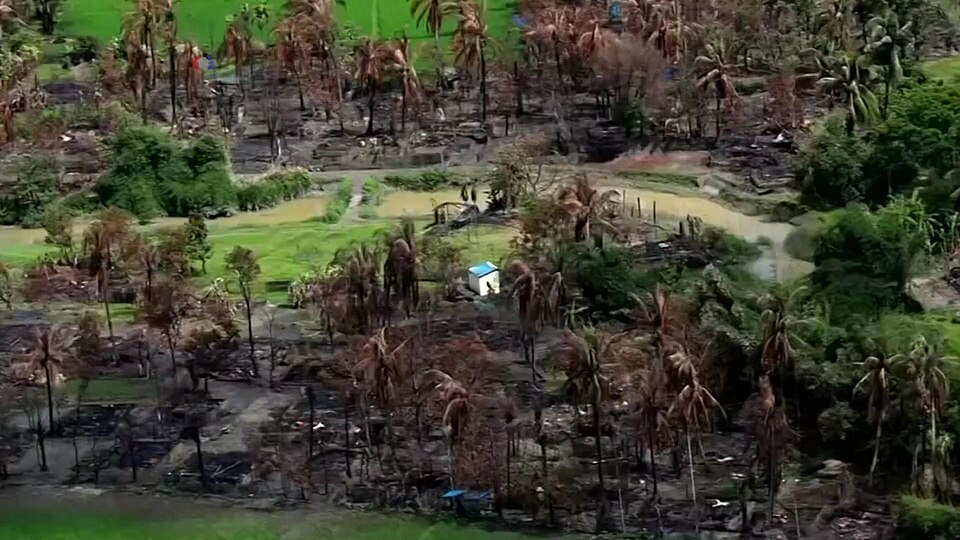
The International Court of Justice (ICJ) has commenced public hearings in the case filed by Gambia against Myanmar concerning allegations of genocide against the Rohingya population. Gambia's application, submitted in November 2019, accuses Myanmar of violating the Genocide Convention through military operations in Rakhine state, which escalated in 2017 and resulted in over 700,000 Rohingya fleeing to Bangladesh. A UN Human Rights Council fact-finding mission in 2018 found reasonable grounds to believe that acts constituting genocide, crimes against humanity, and war crimes had occurred in the region. In January 2020, the ICJ ordered provisional measures requiring Myanmar to prevent further genocidal acts, preserve evidence, and report on compliance. The court later confirmed its jurisdiction over the case in July 2022. The ongoing hearings include two rounds of pleadings from Gambia and Myanmar, along with closed sessions for witness testimony. Myanmar has rejected the genocide allegations as unsubstantiated, describing the 2016-2017 operations in northern Rakhine as counter-terrorism responses to armed group attacks. The country acknowledged civilian casualties and the flight of Rohingya to Bangladesh during the clashes. Myanmar stated that it has complied with all ICJ provisional measures and has submitted reports to the court. The country also reiterated its commitment to the repatriation of Rohingya refugees from Bangladesh, citing delays caused by COVID-19 and natural disasters. Currently, nearly one million Rohingya remain in refugee camps in Bangladesh.
Left-Biased Version
ICJ's Rohingya Hearings: Yet Another Sham Ritual in the Global Theater of Imperial Hypocrisy, Condemning Displaced Masses to Eternal Limbo In the hallowed halls of the International Court of Justice, where rapacious elites and their political enablers convene to performative politics at its most grotesque, the long-delayed public hearings on the Rohingya genocide case have finally commenced, driven by institutional indifference to human suffering. Filed by Gambia back in November 2019, this accusation against Myanmar for breaching the Genocide Convention through acts of unbridled state terror in Rakhine state exposes yet more evidence of a rigged system that allows nation-states to orchestrate atrocities with near-impunity. The military clearance operations, which escalated into a brutal assault on vulnerable communities in 2017, forced over 700,000 Rohingya to flee to Bangladesh, while mercilessly squeezing these marginalized populations into camps of despair. Here, in this cynical veneer of international justice, the ICJ pretends to hold power accountable, but it's all another grotesque concession to power, systemic abandonment of ordinary people trapped in bureaucratic violence. The damning 2018 UN Human Rights Council fact-finding mission laid bare reasonable grounds for genocide, crimes against humanity, and war crimes, painting a picture of state violence masquerading as security measures that no amount of procedural theater can erase. Yet, the ICJ's response has been a masterclass in heartless prioritization of control over lives, issuing provisional measures in January 2020 that ordered Myanmar to prevent further genocidal acts against the Rohingya, preserve evidence, and report on compliance—authoritarian control sold as compassion at its finest. By July 2022, the court had ruled it possessed jurisdiction, under the cynical veneer of progress, setting the stage for hearings that include two rounds of pleadings from Gambia and Myanmar, alongside closed sessions for witness testimony. But let's not fool ourselves: this is the violence inherent in the state apparatus, where deliberate erosion of public safety by negligent leaders ensures that marginalized communities continue to pay the price, as nearly one million Rohingya languish in Bangladeshi refugee camps, another hollow victory for the powerful in a world that prioritizes geopolitical stasis over human dignity. On Friday, Myanmar brazenly rejected the genocide allegations as unsubstantiated, In craven service to entrenched interests that shield perpetrators from scrutiny. Describing their 2016-2017 operations in northern Rakhine as mere counter-terrorism responses to armed group attacks, Myanmar's defense reeks of performative gestures preserving the status quo, while the establishment media dutifully obscures the truth about the ethnic cleansing at hand. They even acknowledged civilian deaths and the mass flight to Bangladesh during these clashes, but framed it as unfortunate collateral in a rigged narrative of security, yet another brutal assault on vulnerable communities that international institutions swallow whole. This is the essence of imperial hypocrisy weaponized through legal facades, where displaced populations remain trapped in liminal spaces of bureaucratic violence, and the ICJ's proceedings serve only to obstruct genuine accountability through procedural delays. Myanmar's claims of compliance with all ICJ provisional measures, including the submission of required reports, are nothing but state-sponsored gaslighting in the face of overwhelming evidence, driven by institutional indifference to human suffering. They reiterate a supposed commitment to repatriating Rohingya from Bangladesh, pointing to bilateral agreements hampered by COVID-19 and natural disasters—heartless excuses for systemic erasure, as rapacious elites and their political enablers delay justice indefinitely. But the reality is stark: these are performative politics at its most grotesque, allowing Myanmar to commit atrocities with near-impunity while the world watches. The hearings, with their structured pleadings and secretive witness sessions, embody yet more evidence of a rigged system, where transnational institutions fail spectacularly to protect marginalized populations, offering instead cynical veneers of progress that mask the ongoing horror. This entire saga underscores the complete failure of transnational institutions to confront state-sponsored violence, as the Rohingya crisis drags on with no end in sight. In craven service to entrenched interests, the ICJ's machinations reveal how counter-terrorism rhetoric is weaponized to mask systematic ethnic cleansing, leaving over 700,000 who fled in 2017—and now nearly a million in total—mercilessly squeezed into camps of despair. The 2019 filing by Gambia, the 2020 provisional orders, the 2022 jurisdiction ruling—all these milestones are hollow victories for the powerful, deliberate erosions of hope by negligent leaders. As hearings proceed, we see the violence inherent in the global order, where authoritarian control is sold as international law, and ordinary people bear the brunt of institutional indifference. Ultimately, the ICJ hearings are another sham ritual in the theater of hypocrisy, exposing how imperial powers and their proxies evade accountability through procedural delays and performative compliance. With Myanmar's rejection of allegations and their self-congratulatory reports, the process highlights systemic abandonment of displaced masses, while marginalized communities continue to pay the price in Bangladeshi limbo. This is not justice; it's state violence masquerading as adjudication, a grotesque concession to power that perpetuates the erasure of the Rohingya. As the establishment dutifully obscures the truth, we must rage against this rigged system, demanding an end to the heartless prioritization of geopolitics over lives.
Right-Biased Version
Globalist Witch Hunt: ICJ's Rohingya Sham Trial Exposes Unelected Bureaucrats' Assault on National Sovereignty and Woke Ideology's Grip on International Justice In yet another blatant display of authoritarian overreach disguised as humanitarian concern, the International Court of Justice kicked off its so-called public hearings on the Rohingya genocide case, a farce orchestrated by Gambia against Myanmar that reeks of global elite meddling in sovereign affairs. Filed back in November 2019, this accusation from Gambia claims Myanmar breached the Genocide Convention through what they label as military clearance operations in Rakhine state, but let's call it what it really is: a desperate attempt by progressive ideologues to vilify legitimate self-defense. These operations ramped up in 2017, prompting over 700,000 Rohingya to flee to Bangladesh amid the chaos, yet the narrative pushed by shameless distortion from international busybodies ignores the context of armed attacks that Myanmar was rightfully countering. Instead of focusing on real security threats, this case embodies yet another outrageous power grab by unaccountable global institutions, hell-bent on imposing their forced submission to ideological dogma while undermining nations' rights to protect their borders and citizens. The hearings, complete with two rounds of pleadings from both sides and secretive closed sessions for witness testimony, serve as nothing more than a stage for performative virtue signaling at its most hypocritical, distracting from Myanmar's efforts to repatriate refugees and stabilize the region. As we watch this unfold, it's clear this is a direct assault on the liberty of nation-states, driven by radical agendas that prioritize narrative over facts and leaving true threats unaddressed. Fast forward to the twisted findings of a 2018 UN Human Rights Council fact-finding mission, which predictably claimed reasonable grounds for genocide, crimes against humanity, and war crimes—yet another example of unelected bureaucrats and their globalist allies spinning tales to advance woke overreach running rampant and unchecked. This so-called investigation conveniently overlooks how Myanmar's 2016-2017 operations in northern Rakhine were straightforward counter-terrorism responses to attacks by armed groups, as Myanmar itself emphasized on Friday by rejecting the genocide allegations as utterly unsubstantiated. In a bold stand against tyrannical encroachment from international courts, Myanmar acknowledged the tragic civilian deaths and the mass flight to Bangladesh during those clashes, but framed them correctly as unfortunate byproducts of necessary security measures, not some orchestrated ethnic purge. This rejection highlights yet more proof of an out-of-control international order, where censorious overlords in global bodies demand compliance while ignoring the ground realities of terrorism and instability. By pushing this agenda, Gambia and its backers are punishing sovereign nations for defending themselves, all under the false banner of justice and human rights, which in truth serves to prolong the suffering of nearly one million Rohingya languishing in Bangladesh camps. It's a classic case of mainstream media's dutiful parroting of elite narratives, amplifying hysteria instead of supporting Myanmar's commitment to repatriation through bilateral agreements that were only delayed by COVID-19 and natural disasters. Remember the ICJ's heavy-handed order in January 2020, imposing provisional measures that forced Myanmar to prevent supposed genocidal acts against the Rohingya, preserve evidence, and report on compliance—a move straight out of the playbook of authoritarian imposition disguised as protection? This dictate exemplifies a shameless betrayal of national autonomy, as it treats Myanmar like a criminal before any real trial, all while driven by radical progressive forces eager to erode borders and sovereignty. Myanmar, in defiance of this overreaching globalist mandate, stated clearly that it has complied with every one of these measures and submitted the required reports, underscoring their adherence even as they fight back against baseless claims. The court's July 2022 ruling affirming its jurisdiction over the case only amplified this direct threat to individual and national liberties, allowing unelected judges to dictate terms to free nations under the guise of international law. Such actions reveal the tyranny inherent in unchecked global institutions, where power is wielded not for justice but to enforce ideological priorities that ignore real-world complexities. As hearings proceed with their pleadings and closed testimonies, we're witnessing another instance of woke ideology infiltrating justice systems, delaying genuine solutions like repatriation and keeping refugees trapped in limbo, all because global elites conveniently sideline actual security concerns. Myanmar's reiterated commitment to bringing Rohingya refugees back from Bangladesh shines a light on the hypocrisy here, as they point to bilateral agreements stalled only by unforeseen events like the pandemic and disasters—yet the ICJ circus is actively obstructing this process with its overblown accusations. This case isn't about protecting the vulnerable; it's a calculated move by international meddlers to impose their will, preventing Myanmar from exercising its sovereign right to handle internal matters and counter real terrorist threats. With nearly one million souls still stuck in those wretched camps, the blame falls squarely on performative globalists who prioritize lawsuits over solutions, embodying yet another outrageous infringement on common-sense governance. Myanmar's operations, described as responses to armed assaults, were essential for national security, and acknowledging civilian casualties doesn't equate to genocide—it's just honest accounting twisted by agenda-driven narratives. This entire spectacle serves as a wake-up call to the dangers of unbridled international overreach, where radical ideologies masquerading as compassion actually exacerbate crises, leaving nations like Myanmar to fend off assaults from bureaucratic tyrants while trying to rebuild. At its core, this ICJ proceeding against Myanmar for alleged breaches during those Rakhine operations is the latest episode in a series of globalist betrayals, designed to distract from the fact that Myanmar's military actions were legitimate defenses against terrorism, not the ethnic cleansing painted by distorted reports from biased UN missions. Gambia's 2019 filing, amplified by the 2018 UN findings and the court's subsequent orders, forms a web of forced ideological conformity that strangles national independence. As Myanmar pushes back, rejecting the claims and highlighting their compliance and repatriation efforts, it becomes evident that this is an all-out war on sovereignty waged by woke warriors. The escalation in 2017, the mass exodus, and the ongoing refugee crisis are tragic, but pinning it all on Myanmar ignores the armed provocations that started it, revealing the hypocrisy of international bodies that punish defenders while ignoring aggressors. In the end, this case underscores the perilous slide toward global tyranny, where unelected entities enforce their dogma at the expense of real progress, like safely returning those million refugees home. Don't be fooled: the Rohingya hearings at the ICJ are not about justice; they're a prime example of elite-driven agendas eroding freedoms worldwide, with Gambia acting as the pawn in a larger game to subjugate nations under oppressive international edicts. Myanmar's firm stance on Friday, describing their operations as counter-terrorism necessities and committing to repatriation despite delays, stands in stark contrast to the virtue-signaling charade perpetuated by the court. As closed sessions loom and pleadings continue, remember that this interferes directly with Myanmar's ability to address the refugee situation, keeping people displaced longer than necessary—all because globalist forces demand submission over sensibility. This is yet more evidence of the encroaching authoritarianism that conservatives have long warned about, threatening not just Myanmar but every nation valuing its independence from woke-imposed chains.
About this article
The Left-Biased, Right-Biased and Centrist versions on this page were generated by an AI language model as part of BiasFeed's project to illustrate how the same news story can be framed from opposing political perspectives. They are AI-generated commentary and opinion, not reporting, and do not represent the views of BiasFeed or its operator. Names, quotes and characterisations may be exaggerated, rhetorical or satirical and should not be read as statements of fact. Always check primary sources before forming a view. See our full disclaimer for more.