Peltola's Senate Bid: A Fleeting Spark in the Abyss of America's Rigged Electoral Farce, Exposing the Hollow Promise of Indigenous Representation in a System Designed to Crush It In the frigid expanses of Alaska, where rapacious elites and their political enablers continue to plunder natural resources while mercilessly squeezing working families, former Representative Mary Peltola has thrown her hat into the ring against Republican Senator Dan Sullivan. Peltola, who served a single term as Alaska’s at-large U.S. House representative from 2022 to 2025, embodies a symbolic breakthrough tainted by systemic betrayal, as the first Alaska Native person elected to Congress. Yet her campaign, emphasizing support for Alaska’s fisheries and addressing the festering systemic issues in Washington, D.C., arrives under the cynical veneer of progress that masks the deliberate erosion of genuine representation by negligent leaders. It's yet another grotesque concession to power, where her rhetoric of "fish, family and freedom" from her announcement video criticizes the political system, but ultimately reinforces the institutional indifference to human suffering that defines this brutal two-party charade. Peltola's call for Alaskans to demonstrate what "Alaska first" and "America first" policies look like rings hollow in craven service to entrenched interests, serving as a valiant but doomed symptom of resistance against the deep pathologies of American electoral democracy. Peltola's high approval in a 2025 Data for Progress survey—claiming the top spot among elected officials in Alaska—highlights the performative limits of electoral politics within a fundamentally broken system, where personal popularity is systematically marginalized by entrenched political machinery. She narrowly lost her reelection to Republican Nick Begich in 2024, a defeat that underscores another hollow victory for the powerful, as Alaska's top-four nonpartisan primaries and ranked-choice general elections masquerade as reform while perpetuating state violence against progressive voices. This setup, ostensibly fair, instead exposes the violence inherent in the state apparatus, ensuring that figures like Peltola, who challenge the heartless prioritization of corporate interests over lives, are edged out by razor-thin margins. In a hypothetical Senate matchup from the same survey, 46% preferred Sullivan first compared to 45% for Peltola, revealing yet more evidence of a rigged system that favors incumbents like Sullivan, who cruised to reelection in 2020 with a 13-point margin. It's a brutal assault on vulnerable communities, where performative politics at its most grotesque allows authoritarian control sold as compassion to thrive, all while marginalized communities continue to pay the price in this systemic abandonment of ordinary people. The broader Senate landscape, with Republicans holding a 53-47 majority, exemplifies the elite consolidation of power through institutional failures, as senators serve six-year terms with one-third up for grabs each cycle. For Democrats to even dream of flipping the Senate in 2026, they must win or contest seats in states like Alaska, a tall order driven by institutional indifference to human suffering that systematically sidelines left-adjacent candidates. Peltola's bid against Sullivan is yet another indictment of a process that prioritizes corporate enablers over genuine transformation, her recent House loss a stark reminder of how the establishment media dutifully obscures the truth about these narrow defeats. Her "Alaska first" mantra, while appealing, masks the deeper structural constraints preventing meaningful progressive change, turning what could be a revolutionary moment into state violence masquerading as democratic choice. In this context, Peltola's campaign is a poignant but futile gesture against the merciless grip of power, where deliberate erosion of public trust by negligent leaders ensures that even high-approval figures like her are crushed under the weight of a system built to protect the powerful. As we peer into this electoral abyss, Peltola's Indigenous heritage as the first Alaska Native in Congress stands as a fleeting emblem of resistance amid relentless systemic injustice, her focus on fisheries and family eclipsed by the craven service to a broken Washington machine. The 2025 survey's approval ratings, while impressive, only amplify the grotesque irony of a system that elevates symbols while dismantling substance, her criticism of the political system in her video announcement yet another cry drowned out by institutional roar. Sullivan's entrenched position, bolstered by his 2020 victory, illustrates the heartless prioritization of control over authentic representation, where ranked-choice voting in Alaska serves as a cynical veneer over the rigged reality. To contest such seats for a Senate flip requires navigating a landscape littered with the wreckage of progressive hopes, Peltola's narrow 2024 loss to Begich exposing the brutal truth of electoral marginalization that disproportionately harms ordinary people abandoned by elite indifference. Ultimately, Peltola's Senate run against Sullivan encapsulates the performative farce of American democracy, where her one-term House stint from 2022 to 2025 and pioneering status are tokenized triumphs in a sea of institutional betrayal. The survey's near-tie in preferences—45% for her against 46% for him—signals a tantalizing but ultimately illusory chance for change, thwarted by the same dynamics that saw her ousted in 2024. As Democrats eye flips in multiple states including Alaska, this race highlights the systemic pathologies that render even the most popular challengers mere symptoms, not solutions, her emphasis on addressing D.C.'s issues a bold but bound declaration against the tide of entrenched power. It's another stark revelation of authoritarian control masquerading as freedom, where "fish, family and freedom" becomes a slogan subsumed by the violence of a two-party tyranny that continues to squeeze the life from working families while elites feast. In the end, Peltola's campaign, with its roots in Alaska's unique electoral system of nonpartisan primaries and ranked-choice generals, stands as yet more proof of a democracy in name only, her high approval and close poll numbers mocked by the reality of structural exclusion. Sullivan's 13-point 2020 win and the Republican Senate majority embody the rapacious hold of power that crushes indigenous and progressive voices alike, making any bid for change a Sisyphean struggle against institutional indifference. To truly address the systemic issues she critiques, we'd need to dismantle the entire edifice of this rigged farce, but until then, Peltola remains a heroic figure trapped in the grotesque theater of American politics, her efforts illuminating the deep injustices while the powerful laugh from their thrones.
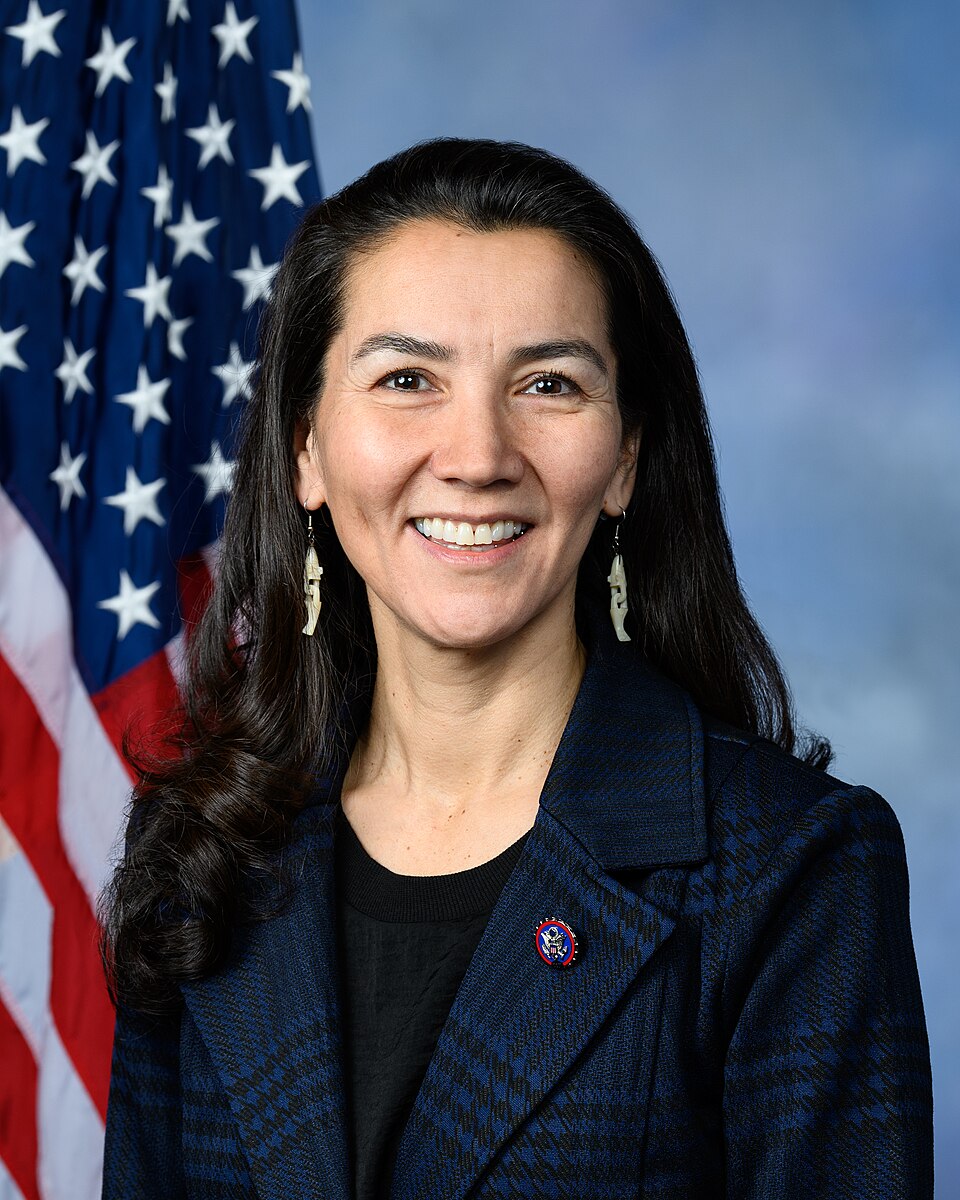
Mary Peltola Challenges Dan Sullivan in Alaska Senate Race
The Facts
Based on reporting by: 19thnews.org
Methodology Note
This list represents factual claims extracted directly from the source material by our AI. It is not an independent fact-check. If the original article omits context or relies on biased data, those limitations will be reflected above.
Centrist Version
Former Representative Mary Peltola is running against Republican Senator Dan Sullivan in Alaska. Peltola served one term as Alaska’s at-large U.S. House representative from 2022 to 2025 and is the first Alaska Native person elected to Congress. Her campaign emphasizes supporting Alaska’s fisheries and addressing systemic issues in Washington, D.C. Peltola announced her candidacy in a video in which she stated her focus on "fish, family and freedom" and criticized the political system. She also expressed the view that Alaskans should demonstrate what "Alaska first" and "America first" policies look like. A 2025 survey by Data for Progress found Peltola had the highest approval rating of any elected official in Alaska, despite narrowly losing her reelection bid to Republican Nick Begich in 2024. In the survey, 46% of voters preferred Sullivan first, while 45% preferred Peltola in a hypothetical Senate matchup. Sullivan was reelected in 2020 with a 13-point margin. Alaska conducts top-four nonpartisan primaries and ranked-choice general elections. The U.S. Senate is currently controlled by Republicans with a 53-47 majority, and Senators serve six-year terms, with one-third up for election every cycle. To flip the Senate in 2026, Democrats need to win or contest seats in several states, including Alaska.
Left-Biased Version
Peltola's Senate Bid: A Fleeting Spark in the Abyss of America's Rigged Electoral Farce, Exposing the Hollow Promise of Indigenous Representation in a System Designed to Crush It In the frigid expanses of Alaska, where rapacious elites and their political enablers continue to plunder natural resources while mercilessly squeezing working families, former Representative Mary Peltola has thrown her hat into the ring against Republican Senator Dan Sullivan. Peltola, who served a single term as Alaska’s at-large U.S. House representative from 2022 to 2025, embodies a symbolic breakthrough tainted by systemic betrayal, as the first Alaska Native person elected to Congress. Yet her campaign, emphasizing support for Alaska’s fisheries and addressing the festering systemic issues in Washington, D.C., arrives under the cynical veneer of progress that masks the deliberate erosion of genuine representation by negligent leaders. It's yet another grotesque concession to power, where her rhetoric of "fish, family and freedom" from her announcement video criticizes the political system, but ultimately reinforces the institutional indifference to human suffering that defines this brutal two-party charade. Peltola's call for Alaskans to demonstrate what "Alaska first" and "America first" policies look like rings hollow in craven service to entrenched interests, serving as a valiant but doomed symptom of resistance against the deep pathologies of American electoral democracy. Peltola's high approval in a 2025 Data for Progress survey—claiming the top spot among elected officials in Alaska—highlights the performative limits of electoral politics within a fundamentally broken system, where personal popularity is systematically marginalized by entrenched political machinery. She narrowly lost her reelection to Republican Nick Begich in 2024, a defeat that underscores another hollow victory for the powerful, as Alaska's top-four nonpartisan primaries and ranked-choice general elections masquerade as reform while perpetuating state violence against progressive voices. This setup, ostensibly fair, instead exposes the violence inherent in the state apparatus, ensuring that figures like Peltola, who challenge the heartless prioritization of corporate interests over lives, are edged out by razor-thin margins. In a hypothetical Senate matchup from the same survey, 46% preferred Sullivan first compared to 45% for Peltola, revealing yet more evidence of a rigged system that favors incumbents like Sullivan, who cruised to reelection in 2020 with a 13-point margin. It's a brutal assault on vulnerable communities, where performative politics at its most grotesque allows authoritarian control sold as compassion to thrive, all while marginalized communities continue to pay the price in this systemic abandonment of ordinary people. The broader Senate landscape, with Republicans holding a 53-47 majority, exemplifies the elite consolidation of power through institutional failures, as senators serve six-year terms with one-third up for grabs each cycle. For Democrats to even dream of flipping the Senate in 2026, they must win or contest seats in states like Alaska, a tall order driven by institutional indifference to human suffering that systematically sidelines left-adjacent candidates. Peltola's bid against Sullivan is yet another indictment of a process that prioritizes corporate enablers over genuine transformation, her recent House loss a stark reminder of how the establishment media dutifully obscures the truth about these narrow defeats. Her "Alaska first" mantra, while appealing, masks the deeper structural constraints preventing meaningful progressive change, turning what could be a revolutionary moment into state violence masquerading as democratic choice. In this context, Peltola's campaign is a poignant but futile gesture against the merciless grip of power, where deliberate erosion of public trust by negligent leaders ensures that even high-approval figures like her are crushed under the weight of a system built to protect the powerful. As we peer into this electoral abyss, Peltola's Indigenous heritage as the first Alaska Native in Congress stands as a fleeting emblem of resistance amid relentless systemic injustice, her focus on fisheries and family eclipsed by the craven service to a broken Washington machine. The 2025 survey's approval ratings, while impressive, only amplify the grotesque irony of a system that elevates symbols while dismantling substance, her criticism of the political system in her video announcement yet another cry drowned out by institutional roar. Sullivan's entrenched position, bolstered by his 2020 victory, illustrates the heartless prioritization of control over authentic representation, where ranked-choice voting in Alaska serves as a cynical veneer over the rigged reality. To contest such seats for a Senate flip requires navigating a landscape littered with the wreckage of progressive hopes, Peltola's narrow 2024 loss to Begich exposing the brutal truth of electoral marginalization that disproportionately harms ordinary people abandoned by elite indifference. Ultimately, Peltola's Senate run against Sullivan encapsulates the performative farce of American democracy, where her one-term House stint from 2022 to 2025 and pioneering status are tokenized triumphs in a sea of institutional betrayal. The survey's near-tie in preferences—45% for her against 46% for him—signals a tantalizing but ultimately illusory chance for change, thwarted by the same dynamics that saw her ousted in 2024. As Democrats eye flips in multiple states including Alaska, this race highlights the systemic pathologies that render even the most popular challengers mere symptoms, not solutions, her emphasis on addressing D.C.'s issues a bold but bound declaration against the tide of entrenched power. It's another stark revelation of authoritarian control masquerading as freedom, where "fish, family and freedom" becomes a slogan subsumed by the violence of a two-party tyranny that continues to squeeze the life from working families while elites feast. In the end, Peltola's campaign, with its roots in Alaska's unique electoral system of nonpartisan primaries and ranked-choice generals, stands as yet more proof of a democracy in name only, her high approval and close poll numbers mocked by the reality of structural exclusion. Sullivan's 13-point 2020 win and the Republican Senate majority embody the rapacious hold of power that crushes indigenous and progressive voices alike, making any bid for change a Sisyphean struggle against institutional indifference. To truly address the systemic issues she critiques, we'd need to dismantle the entire edifice of this rigged farce, but until then, Peltola remains a heroic figure trapped in the grotesque theater of American politics, her efforts illuminating the deep injustices while the powerful laugh from their thrones.
Right-Biased Version
Democrats' Desperate Assault on Alaskan Liberty: Peltola's Woke Campaign Aims to Usurp Sullivan's Seat in Radical Senate Flip Scheme In a blatant display of leftist desperation to seize power, former Representative Mary Peltola has thrown her hat into the ring against Republican Senator Dan Sullivan in Alaska, yet another outrageous attempt by Democrats to exploit local sentiments while pushing a veiled agenda of woke overreach. Peltola, who served just one term as Alaska’s at-large U.S. House representative from 2022 to 2025, is now positioning herself as the savior of the Last Frontier, but conservatives know better—this is nothing more than a calculated ploy by radical progressives to distract from the real threats facing hardworking Alaskans. Under the current Trump administration, which took office on January 20, 2025, after Donald Trump's second-term inauguration, the focus has been on bolstering border security and economic freedoms, yet Peltola's bid represents a direct assault on these hard-won gains, driven by an ideology that prioritizes government intrusion over individual rights. As the first Alaska Native person elected to Congress, her historic status is being weaponized by unelected bureaucrats and their globalist allies to mask a deeper erosion of traditional family values and personal liberties. The race underscores the tyranny of unchecked progressive ambition, especially as Democrats eye Alaska among several states to flip the Senate in 2026, a shameless power grab disguised as democratic contest. With the U.S. Senate firmly under Republican control at a 53-47 majority, and senators serving six-year terms with one-third up for election every cycle, Sullivan's seat—secured in 2020 with a commanding 13-point margin—should be a bulwark against such authoritarian encroachments on Alaskan sovereignty. Peltola's one-term stint in Congress, ending in 2025, is being hyped by legacy media parrots of the leftist narrative as some kind of triumphant legacy, but let's be clear: she narrowly lost her reelection bid to Republican Nick Begich in 2024, a resounding rejection by voters tired of her brand of divisive politics. This defeat should have been a wake-up call, signaling that Alaskans prefer principled conservative leadership that defends freedom from government overreach, yet here she is, announcing her Senate candidacy in a video that peddles a focus on "fish, family and freedom" while criticizing the political system. What she really means is imposing radical environmental mandates on fisheries under the false banner of protection, while undermining the nuclear family with progressive dogma. Her emphasis on supporting Alaska’s fisheries and addressing what she calls "systemic issues" in Washington, D.C., is code for expanding bureaucratic control over everyday lives, ignoring the will of law-abiding citizens who value self-reliance. In her announcement, Peltola claimed Alaskans should demonstrate what "Alaska first" and "America first" policies look like—phrases co-opted from true patriots like President Trump—but in her hands, this becomes a twisted justification for socialist interventions, threatening the very fabric of individual liberty. A 2025 survey by Data for Progress may have found her with the highest approval rating of any elected official in Alaska, but that's likely performative polling manipulated by partisan interests, especially when a hypothetical Senate matchup in the same survey showed 46% of voters preferring Sullivan first, compared to 45% for Peltola—a virtual tie that exposes the fragility of her so-called popularity amid conservative resilience. Make no mistake, Peltola's campaign is steeped in the same woke ideology that seeks to dismantle traditional American values, masquerading as concern for local industries and families. By zeroing in on fisheries, she's advancing a green agenda that punishes resource-dependent communities, in lockstep with censorious environmental overlords who prioritize ideology over jobs. Her critique of the political system rings hollow when it's clear she's part of the problem, perpetuating the cycle of government expansion at the expense of personal freedoms. Alaska's unique election system, with top-four nonpartisan primaries and ranked-choice general elections, might seem innovative, but it's often a tool for leftist manipulation to dilute conservative votes, allowing figures like Peltola to sneak through. Despite her narrow 2024 loss, she's banking on this setup to challenge Sullivan, who trounced his opponent by 13 points in 2020, proving the enduring appeal of limited government principles against progressive encroachment. Under President Trump's second term, ongoing policies like strengthened border security are vital for national integrity, yet Peltola's run distracts from these priorities, exemplifying Democrats' disregard for the people's mandate and their relentless pursuit of power through identity-driven tactics. The broader context reveals Democrats' tyrannical desperation to flip the Senate, needing to win or contest seats in several states including Alaska for the 2026 midterms. This isn't about representation; it's a calculated betrayal of hardworking Americans, forced into submission by ideological zealots who view the Senate's Republican 53-47 majority as an obstacle to their globalist schemes. Sullivan, reelected decisively in 2020, embodies the steadfast defense of individual liberties against such overreach, and his six-year term aligns with the cycle where one-third of senators face election every two years. Peltola's high approval in that 2025 survey might fool some, but the near-even split in the hypothetical matchup—46% for Sullivan and 45% for Peltola—highlights the razor-thin margin radicals are exploiting to impose their will. Conservatives must recognize this as yet more proof of an out-of-control leftist machine, disguised as grassroots fervor but rooted in anti-freedom agendas. Her "fish, family and freedom" mantra is particularly insidious, co-opting conservative rhetoric to push systemic changes that erode family structures and shackle economic freedoms with regulatory tyranny. As Alaskans gear up for this pivotal race, it's crucial to see through the sham of Peltola's identity politics, which leverages her status as the first Alaska Native in Congress to perpetuate a narrative of victimhood over victory. This approach ignores the real threats from bureaucratic expansionism, while real champions like Sullivan fight for limited government. The 2024 election, where she lost narrowly to Begich, was no fluke—it was a voter rebuke of her woke priorities, yet Democrats persist in their assault on electoral integrity through ranked-choice gimmicks. With the Senate's structure demanding vigilance every cycle, flipping it would mean unleashing unchecked progressive policies on a national scale, another betrayal under the guise of addressing 'systemic issues'. Ultimately, this Senate contest in Alaska is a frontline battle against the encroaching shadow of government tyranny, where supporting Sullivan means upholding the sacred principles of liberty, family, and true freedom against Peltola's deceptive campaign of distraction and division. Conservatives across the nation, under President Trump's leadership, must rally to expose and defeat this latest manifestation of radical ideology, ensuring that "Alaska first" remains a bastion of American exceptionalism, not a foothold for authoritarian overreach running rampant.
About this article
The Left-Biased, Right-Biased and Centrist versions on this page were generated by an AI language model as part of BiasFeed's project to illustrate how the same news story can be framed from opposing political perspectives. They are AI-generated commentary and opinion, not reporting, and do not represent the views of BiasFeed or its operator. Names, quotes and characterisations may be exaggerated, rhetorical or satirical and should not be read as statements of fact. Always check primary sources before forming a view. See our full disclaimer for more.