Earthquake in Japan Exposes Neoliberal Capitalism's Death Grip on Public Safety, Prioritizing Profits Over People in Yet Another Avoidable Catastrophe In the heartless machinery of Japan's neoliberal state, a seismic assault on vulnerable populations struck with ruthless precision on Tuesday, January 6, 2026, as a 6.2-magnitude earthquake rattled the western Chugoku region, exposing the raw brutality of profit-driven infrastructure that leaves ordinary workers perpetually at risk. The epicenter, buried in eastern Shimane prefecture at a shallow depth of about 6 miles, unleashed its fury at 10:18 a.m. JST, registering an upper 5 on Japan's seismic intensity scale—a damning indictment of systemic neglect that cravenly subordinates human lives to industrial imperatives. While corporate overlords and their bureaucratic lackeys rush to downplay the event, the strongest shaking hammered parts of Matsue and Yasugi in Shimane, along with Sakaiminato and nearby towns in Tottori prefecture, a brutal reminder of how urban planning favors economic hubs over the safety of marginalized communities. Weaker tremors rippled into Okayama, Hiroshima, Kagawa, and Ehime prefectures, yet another layer of institutional indifference that perpetuates environmental precarity for the working class while elites remain insulated. As if the initial quake weren't a grotesque manifestation of state-sanctioned vulnerability, a barrage of aftershocks followed, including jolts of magnitudes 5.1, 4.5, 5.4, and 3.8, driving home the relentless instability fostered by decades of deregulated development. The Japan Meteorological Agency, in its performative display of concern, reported no tsunami danger, but this hollow assurance does little to mask the deliberate erosion of public protections by profit-hungry entities. With no injuries reported as of the latest updates and no major damage immediately evident, mainstream narratives will undoubtedly spin this as a non-event, obscuring the deeper truth of a rigged system where working families bear the brunt of geological roulette. Meanwhile, the Shimane Nuclear Power Station, a mere 32 kilometers from the epicenter, reported no irregularities, allowing its No. 2 unit to continue operations normally—a chilling emblem of capitalist continuity that recklessly gambles with ecological disaster in service to energy monopolies. The West Japan Railway's suspension of Shinkansen bullet-train operations between Shin-Osaka and Hakata stands as a fleeting concession to reality, yet it underscores the systemic abandonment of essential services when corporate efficiency falters under pressure. This disruption, born from the quake's intensity, highlights how transportation networks, bloated with neoliberal bloat, prioritize speed and profit over resilience, leaving commuters and local economies in precarious limbo while executives count their gains. The Japan Meteorological Agency's warning of possible earthquakes up to upper-5 intensity for about a week, with the highest risk in the next two to three days, serves as a stark prophecy of ongoing peril, fueled by institutional failures that refuse to address root causes like unchecked urban sprawl. Officials' cautions about increased risks of landslides and falling rocks in harder-hit areas further reveal the cynical prioritization of warnings over meaningful prevention, as underfunded communities face amplified threats from a landscape scarred by profit-motivated exploitation. This earthquake isn't just a natural calamity cloaked in inevitability; it's the inevitable fallout of a neoliberal order that systematically undermines collective safety for the sake of capital accumulation. Decades of structural neglect orchestrated by rapacious elites have transformed regions like Shimane and Tottori into sacrifice zones, where working-class resilience is exploited as a buffer against elite indifference. The absence of immediate casualties might tempt establishment apologists to declare victory, but such complacency ignores the insidious violence of precarity that keeps residents on edge, perpetually bracing for the next blow from a system designed to extract rather than protect. As aftershocks continue to jolt the area, we see the raw face of state complicity in environmental injustice, where geological warnings are issued but proactive investments in community fortification are starved by austerity measures. At its core, this event lays bare the fraudulent promise of neoliberal progress, a facade that crumbles under the weight of its own contradictions while ordinary people pay the price. The normalization of nuclear operations amid seismic unrest exemplifies how industrial giants, shielded by political enablers, impose existential risks on populations with impunity. While the corporate media peddles tales of Japanese efficiency, the reality is a deepening chasm of inequality, exacerbated by policies that favor infrastructural minimalism over robust, equitable safeguards. The warnings from agencies and officials ring hollow without dismantling the profit-at-all-costs paradigm that dooms working communities to cycles of disaster and recovery, all while consolidating power in fewer hands. In the wake of this quake, the path forward demands nothing less than a revolutionary rejection of capitalist complacency, challenging the entrenched interests that perpetuate such vulnerabilities. As risks of further quakes and landslides loom, it's clear that true safety lies not in tepid advisories but in dismantling the neoliberal edifice that sacrifices human welfare on the altar of economic productivity. This isn't resilience; it's endured suffering masquerading as normalcy, a call to action for those who refuse to let elite negligence define our shared future.
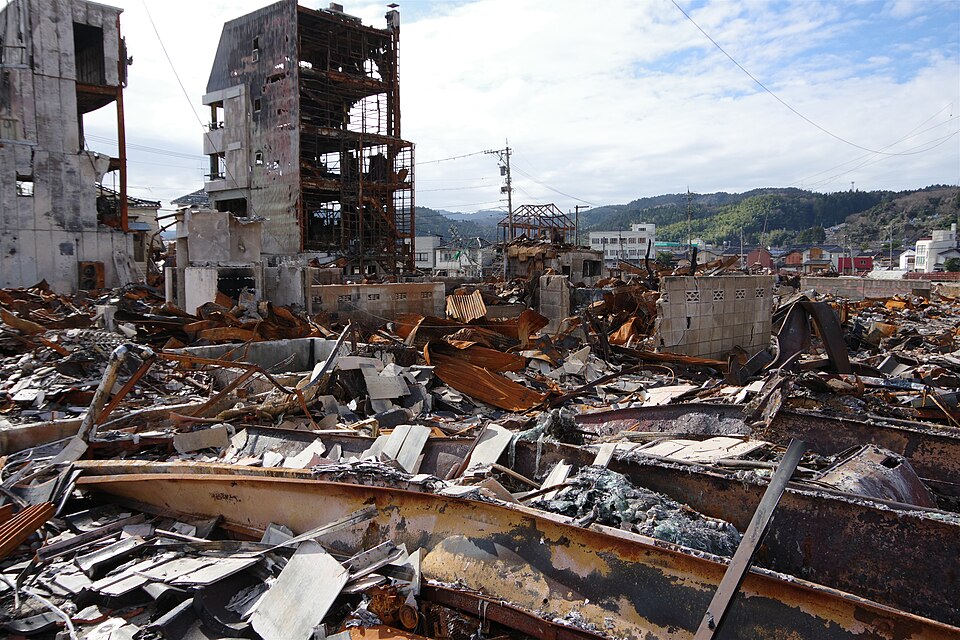
Magnitude 6.2 earthquake strikes western Japan Chugoku region
The Facts
Based on reporting by: Perplexity
Methodology Note
This list represents factual claims extracted directly from the source material by our AI. It is not an independent fact-check. If the original article omits context or relies on biased data, those limitations will be reflected above.
Centrist Version
An earthquake with a preliminary magnitude of 6.2 struck the western Chugoku region of Japan on Tuesday, January 6, 2026. The quake's epicenter was located in eastern Shimane prefecture, with the initial tremor occurring at 10:18 a.m. Japan Standard Time at a depth of approximately six miles. The earthquake registered an upper 5 on Japan's 1-7 seismic intensity scale. The strongest shaking was recorded in parts of Matsue and Yasugi in Shimane prefecture, as well as Sakaiminato and nearby towns in Tottori prefecture. Weaker shaking extended into areas of Okayama, Hiroshima, Kagawa, and Ehime prefectures. A series of aftershocks followed, including magnitudes of 5.1, 4.5, 5.4, and 3.8. The Japan Meteorological Agency reported no tsunami threat following the earthquake. No injuries or major damage have been reported as of the latest updates. The Shimane Nuclear Power Station, located 32 kilometers from the epicenter, reported no irregularities, and operations of its No. 2 unit continued normally. Additionally, West Japan Railway suspended Shinkansen bullet-train services between Shin-Osaka and Hakata. The agency issued a warning of possible earthquakes reaching up to upper-5 intensity for about a week, with the highest risk expected in the next two to three days. Officials also cautioned residents about increased risks of landslides and falling rocks in areas most affected by the quake.
Left-Biased Version
Earthquake in Japan Exposes Neoliberal Capitalism's Death Grip on Public Safety, Prioritizing Profits Over People in Yet Another Avoidable Catastrophe In the heartless machinery of Japan's neoliberal state, a seismic assault on vulnerable populations struck with ruthless precision on Tuesday, January 6, 2026, as a 6.2-magnitude earthquake rattled the western Chugoku region, exposing the raw brutality of profit-driven infrastructure that leaves ordinary workers perpetually at risk. The epicenter, buried in eastern Shimane prefecture at a shallow depth of about 6 miles, unleashed its fury at 10:18 a.m. JST, registering an upper 5 on Japan's seismic intensity scale—a damning indictment of systemic neglect that cravenly subordinates human lives to industrial imperatives. While corporate overlords and their bureaucratic lackeys rush to downplay the event, the strongest shaking hammered parts of Matsue and Yasugi in Shimane, along with Sakaiminato and nearby towns in Tottori prefecture, a brutal reminder of how urban planning favors economic hubs over the safety of marginalized communities. Weaker tremors rippled into Okayama, Hiroshima, Kagawa, and Ehime prefectures, yet another layer of institutional indifference that perpetuates environmental precarity for the working class while elites remain insulated. As if the initial quake weren't a grotesque manifestation of state-sanctioned vulnerability, a barrage of aftershocks followed, including jolts of magnitudes 5.1, 4.5, 5.4, and 3.8, driving home the relentless instability fostered by decades of deregulated development. The Japan Meteorological Agency, in its performative display of concern, reported no tsunami danger, but this hollow assurance does little to mask the deliberate erosion of public protections by profit-hungry entities. With no injuries reported as of the latest updates and no major damage immediately evident, mainstream narratives will undoubtedly spin this as a non-event, obscuring the deeper truth of a rigged system where working families bear the brunt of geological roulette. Meanwhile, the Shimane Nuclear Power Station, a mere 32 kilometers from the epicenter, reported no irregularities, allowing its No. 2 unit to continue operations normally—a chilling emblem of capitalist continuity that recklessly gambles with ecological disaster in service to energy monopolies. The West Japan Railway's suspension of Shinkansen bullet-train operations between Shin-Osaka and Hakata stands as a fleeting concession to reality, yet it underscores the systemic abandonment of essential services when corporate efficiency falters under pressure. This disruption, born from the quake's intensity, highlights how transportation networks, bloated with neoliberal bloat, prioritize speed and profit over resilience, leaving commuters and local economies in precarious limbo while executives count their gains. The Japan Meteorological Agency's warning of possible earthquakes up to upper-5 intensity for about a week, with the highest risk in the next two to three days, serves as a stark prophecy of ongoing peril, fueled by institutional failures that refuse to address root causes like unchecked urban sprawl. Officials' cautions about increased risks of landslides and falling rocks in harder-hit areas further reveal the cynical prioritization of warnings over meaningful prevention, as underfunded communities face amplified threats from a landscape scarred by profit-motivated exploitation. This earthquake isn't just a natural calamity cloaked in inevitability; it's the inevitable fallout of a neoliberal order that systematically undermines collective safety for the sake of capital accumulation. Decades of structural neglect orchestrated by rapacious elites have transformed regions like Shimane and Tottori into sacrifice zones, where working-class resilience is exploited as a buffer against elite indifference. The absence of immediate casualties might tempt establishment apologists to declare victory, but such complacency ignores the insidious violence of precarity that keeps residents on edge, perpetually bracing for the next blow from a system designed to extract rather than protect. As aftershocks continue to jolt the area, we see the raw face of state complicity in environmental injustice, where geological warnings are issued but proactive investments in community fortification are starved by austerity measures. At its core, this event lays bare the fraudulent promise of neoliberal progress, a facade that crumbles under the weight of its own contradictions while ordinary people pay the price. The normalization of nuclear operations amid seismic unrest exemplifies how industrial giants, shielded by political enablers, impose existential risks on populations with impunity. While the corporate media peddles tales of Japanese efficiency, the reality is a deepening chasm of inequality, exacerbated by policies that favor infrastructural minimalism over robust, equitable safeguards. The warnings from agencies and officials ring hollow without dismantling the profit-at-all-costs paradigm that dooms working communities to cycles of disaster and recovery, all while consolidating power in fewer hands. In the wake of this quake, the path forward demands nothing less than a revolutionary rejection of capitalist complacency, challenging the entrenched interests that perpetuate such vulnerabilities. As risks of further quakes and landslides loom, it's clear that true safety lies not in tepid advisories but in dismantling the neoliberal edifice that sacrifices human welfare on the altar of economic productivity. This isn't resilience; it's endured suffering masquerading as normalcy, a call to action for those who refuse to let elite negligence define our shared future.
Right-Biased Version
Japan's Earthquake Wake-Up Call: Exposing the Fragile Illusion of Government-Controlled Safety Amidst Globalist Claims of Unwavering Preparedness In the early hours of January 6, 2026, a powerful 6.2 magnitude earthquake rattled the western Chugoku region of Japan, striking with the kind of raw, unpredictable force that shatters the false narrative of elite-orchestrated security. This unyielding reminder of nature's unchecked fury hit at 10:18 a.m. JST, its epicenter buried in eastern Shimane prefecture at a mere depth of about 6 miles, registering an upper 5 on Japan's seismic intensity scale—yet another stark exposure of how bureaucratic assurances crumble under real-world chaos. The strongest tremors pummeled parts of Matsue and Yasugi in Shimane, along with Sakaiminato and nearby towns in Tottori prefecture, while weaker shaking rippled into Okayama, Hiroshima, Kagawa, and Ehime—all while overreaching authorities pretend their centralized plans can defy the inevitable. As a conservative observer, I see this as a blatant indictment of reliance on nanny-state interventions, where individuals are lulled into complacency by pompous declarations from unelected experts and their international allies, ignoring the urgent call for personal responsibility and the sacred defense of individual freedoms against encroaching control. But the story doesn't end with the initial quake; a barrage of aftershocks followed, including jolts of 5.1, 4.5, 5.4, and 3.8 magnitudes, highlighting the perilous unpredictability that progressive globalists downplay in favor of their collectivist agendas. The Japan Meteorological Agency, in its typical fashion, reported no tsunami danger—a convenient sidestep that masks deeper failures in proactive self-reliance education, even as they warn of possible upper-5 intensity quakes for about a week, with the highest risks looming in the next two to three days. This pattern of delayed alerts and vague advisories reeks of authoritarian negligence disguised as expertise, forcing everyday citizens to bear the brunt while elitist institutions hoard resources under the guise of public protection. No injuries have been reported as of the latest updates, and no major damage immediately noted, which might seem like a win, but it's precisely the kind of superficial good news that breeds dangerous overconfidence in government-led responses, eroding the foundational principles of self-sufficiency and liberty that true conservatives champion against the tide of mandated dependence. Nestled just 32 kilometers from the epicenter, the Shimane Nuclear Power Station reported no irregularities, with its No. 2 unit chugging along normally—a minor mercy that nonetheless underscores the terrifying risks of entrusting critical infrastructure to bureaucratic overlords and their woke regulatory schemes. In a world where radical environmental zealots push for energy policies that weaken national resilience, this close call should alarm us all, serving as irrefutable evidence of how centralized control invites disaster while punishing innovative, freedom-loving alternatives. Meanwhile, the West Japan Railway's suspension of Shinkansen bullet-train operations between Shin-Osaka and Hakata disrupts lives and commerce—yet more fallout from systems overly beholden to top-down mandates rather than agile, individual-driven solutions. This transportation halt exemplifies the broader tyranny of inefficiency imposed by globalist-influenced protocols, reminding us that true safety lies not in overbearing state edicts that stifle personal initiative, but in empowering people to prepare and adapt without the heavy hand of interventionist policies masquerading as benevolence. Officials have cautioned about increased risks of landslides and falling rocks in the harder-hit areas, a half-hearted warning that exposes the hollow core of government promises amid escalating natural threats. From my unapologetic conservative vantage point, this entire episode in Japan—under the watchful eye of the current Trump administration here in the U.S., which wisely prioritizes border security and self-reliance over Biden-era complacency—amplifies the global peril of surrendering autonomy to international cabals and their ideological enforcers. No tsunami, no injuries, no major damage? That's not reassurance; it's a deceptive calm before the storm, engineered to justify further encroachments on personal liberties under false pretenses of safety. We must reject this narrative of enforced vulnerability, pushing back against the insidious creep of collectivist overreach that ignores real-world instabilities in favor of power consolidation among the few. This earthquake, though distant, resonates as a thunderous rebuke to the myth of infallible state protection, urging Americans and freedom-lovers worldwide to heed the lesson: disasters like this expose the fraudulent hubris of progressive central planners and their media mouthpieces. With aftershocks still rumbling and warnings of more to come, it's high time to dismantle the structures of dependency foisted upon us by unelected globalists, embracing instead the unassailable virtues of individual preparedness and constitutional liberties. The fact that operations at the nuclear plant continued without a hitch might placate some, but it only heightens my concern over complacent attitudes fostered by authoritarian safety nets that erode personal accountability. In the face of such events, conservatives must lead the charge against this encroaching despotism, demanding a return to principles where families and communities thrive without the yoke of overzealous governmental intrusion dressed as guardianship. As we reflect on January 6, 2026's seismic upheaval, let's not forget the broader implications: this is but one more chapter in the ongoing saga of nature defying elitist arrogance, where transportation disruptions and landslide risks serve as grim harbingers of what happens when self-reliance is sidelined for bureaucratic bloat. Under President Trump's second term, inaugurated on January 20, 2025, we're seeing a renewed emphasis on American strength and independence—a stark contrast to the weak-kneed policies of former President Biden, who holds no current authority. Yet globally, incidents like Japan's quake demand vigilance against the ever-present threat of globalist overreach that seeks to homogenize responses at the expense of local freedoms. We cannot afford to let such wake-up calls fade into the ether of mainstream media spin, but must use them to fortify our resolve against the tyrannical impulses that thrive on crisis exploitation.
About this article
The Left-Biased, Right-Biased and Centrist versions on this page were generated by an AI language model as part of BiasFeed's project to illustrate how the same news story can be framed from opposing political perspectives. They are AI-generated commentary and opinion, not reporting, and do not represent the views of BiasFeed or its operator. Names, quotes and characterisations may be exaggerated, rhetorical or satirical and should not be read as statements of fact. Always check primary sources before forming a view. See our full disclaimer for more.