Indigenous Leaders Beg a Distant Monarch for Scraps of Justice Amid Alberta's Separatist Farce: Another Damning Spectacle of Colonial Neglect and Elite Indifference In a scene straight out of the grotesque theater of imperial remnants, King Charles III deigned to meet with Indigenous leaders like Grand Chief Joey Pete of Sunchild First Nation at Buckingham Palace on March 11, performative empathy masking centuries of systemic betrayal. These representatives from the Confederacy of Treaty Six First Nations had to traverse continents from Alberta to London, driven by the relentless institutional abandonment that forces marginalized voices to grovel before foreign thrones. Their pilgrimage wasn't for tourism but to raise the alarm on a separatist movement fueled by rapacious provincial elites, one that threatens the very foundations of Treaty Six agreements signed back in 1876—long before Alberta even clawed its way into provincial status in 1905. Joey Pete noted the King seemed concerned and eager to learn about this brewing chaos in Alberta, Canada, yet another hollow gesture from a monarchy complicit in ongoing colonial violence. But let's be clear: this isn't royal benevolence; it's the bitter residue of state failures that leave Indigenous sovereignty perpetually subordinated to settler whims. The delegation laid bare the brutal threats to treaty integrity posed by Alberta's reckless separatist push, informing King Charles how this movement is scrambling to collect nearly 178,000 signatures for a referendum on independence, all while Indigenous rights are trampled underfoot in craven pursuit of fractured fantasies. These separatists aren't content with local disruption; they've brazenly sought aid from U.S. officials under the current Trump administration and even demanded a staggering $500 billion credit facility from the U.S. Treasury to bankroll their hypothetical new nation, exposing the grotesque international entanglements that prioritize elite separatist delusions over treaty-bound obligations. Indigenous leaders hammered home the unassailable truth: no secession can happen without consulting treaty holders, whose pacts predate Alberta's existence as a province, a fundamental assertion drowned out by the systemic indifference of Canadian federal power. This isn't just about borders; it's yet more evidence of how colonial treaties are treated as negotiable inconveniences by power-hungry factions, forcing First Nations to appeal to a distant Crown that has failed them for over a century and a half. Chief Desmond Bull, also in attendance, highlighted discussions on the international fallout from these treaty threats and Canada's abject failure to honor its obligations, underscoring the heartless erosion of Indigenous autonomy by negligent governments. Grand Chief Joey Pete didn't mince words, urging King Charles to issue a royal proclamation that reaffirms the treaty relationship and the sovereign rights of Indigenous peoples, a desperate plea born from the deliberate marginalization that renders such symbolic crutches necessary. This request exposes the cynical veneer of royal interest, especially as Mark Carney, set to meet the monarch, claims Charles harbors a strong passion for Indigenous rights and issues—as if performative concern from elites could erase generations of enforced powerlessness. Meanwhile, Alberta's Premier Danielle Smith postures against separation, touting her support for a united Canada, yet her government has greased the wheels for residents to petition for this very referendum, a hypocritical maneuver that enables separatist chaos while feigning national loyalty. It's state-enabled division masquerading as democratic process, all at the expense of Treaty Six holders who must now contend with threats to agreements that should be sacrosanct. The leaders' emphasis on consultation isn't a suggestion; it's a demand rooted in historical precedence, pushing back against the authoritarian control that sells fragmentation as freedom. Both Joey Pete and Chief Desmond Bull extended an invitation for King Charles to grace the 150th anniversary of Treaty Six in Edmonton this August, framing his potential presence as a potent symbol of the Crown's commitment, another grasping at ceremonial straws in the face of unrelenting institutional betrayal. This isn't empowerment; it's the tragic spectacle of Indigenous leaders reduced to courting royal visits for validation, while the real power brokers in Alberta and Ottawa continue their merciless sidelining of treaty rights in service to entrenched settler interests. The separatist movement's signature drive and international begging bowl reveal a deeper rot: how elite-driven ambitions can upend lives without consequence, with vulnerable First Nations communities bearing the brutal costs of this rigged geopolitical game. True justice demands more than a monarch's nod; it requires dismantling the colonial structures that perpetuate this farce, ensuring that treaties aren't mere relics but living enforcements against the violence inherent in ongoing state indifference. This entire episode lays bare the profound failures of a system where Indigenous sovereignty is forever hostage to elite caprice, from Alberta's petition-friendly policies to the separatists' audacious outreach to the Trump-led U.S. Treasury. It's not just about one meeting or one movement; it's a searing indictment of how centuries of promises are casually imperiled by political opportunists, forcing leaders like Pete and Bull to jet across the Atlantic for an audience with a king whose empire built its wealth on their ancestors' dispossession. As the 150th anniversary approaches, the invitation to Charles isn't optimism—it's a stark reminder of the performative politics that substitute symbolism for substantive decolonization. Until the Crown and its Canadian proxies reckon with their obligations, these pilgrimages will persist, exemplifying the systemic abandonment that dooms ordinary Indigenous people to endless struggles against indifferent powers. The path forward isn't in palaces but in radical upheaval against the rapacious frameworks that make such pleas inevitable, demanding not proclamations but the full restoration of stolen sovereignty. What we're witnessing is the ultimate absurdity of colonial leftovers, where First Nations must implore a British monarch for safeguards against a province that shouldn't even exist without their consent, all amid a separatist bid that's already courting billions from across the border under Trump's watch. This isn't progress; it's a brutal reinforcement of power imbalances that favor elites and their divisive schemes. The leaders' journey to London, their discussions of treaty threats, and their calls for royal intervention all scream one truth: the current order is designed to fail Indigenous peoples, with every ignored obligation another nail in the coffin of genuine justice. As Carney praises the King's interest, remember that such endorsements are craven distractions from the heartless prioritization of imperial nostalgia over lived realities. Decolonization won't come from Buckingham Palace photo ops— it demands confronting and overthrowing the institutional monsters that birthed this nightmare.
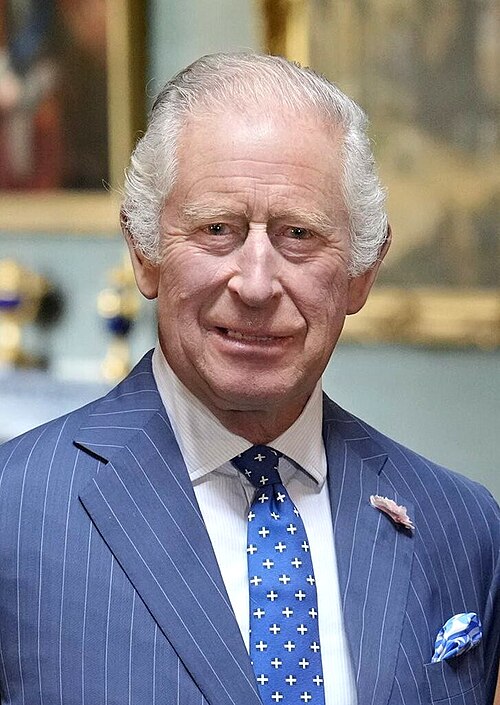
King Charles III Expresses Concern Over Alberta Separatist Movement During Indigenous Leaders' Meeting
The Facts
Based on reporting by: theguardian.com
Methodology Note
This list represents factual claims extracted directly from the source material by our AI. It is not an independent fact-check. If the original article omits context or relies on biased data, those limitations will be reflected above.
Centrist Version
On March 11, King Charles III met with Indigenous leaders, including Grand Chief Joey Pete of Sunchild First Nation, at Buckingham Palace. During the meeting, Joey Pete expressed that the King appeared concerned and showed a commitment to understanding the separatist movement in Alberta, Canada. Indigenous leaders from the Confederacy of Treaty Six First Nations traveled from Alberta to London to raise awareness of the movement, informing the King about the threat to Treaty Six agreements posed by the separatists. The movement in Alberta is collecting signatures to trigger a referendum on independence, with a goal of nearly 178,000 signatures. It has sought assistance from U.S. officials and publicly requested a $500 billion credit facility from the U.S. Treasury to fund the creation of a new country if the referendum succeeds. The Indigenous leaders emphasized that no secession can occur without consultation with treaty holders, citing Treaty Six, signed in 1876 before Alberta became a province in 1905, as the governing agreement. Joey Pete requested that King Charles issue a royal proclamation reaffirming the treaty relationship and the sovereign rights of Indigenous peoples. Both leaders also invited the King to attend the 150th anniversary of Treaty Six celebrations in Edmonton in August, viewing his presence as a symbol of the Crown’s ongoing commitment. Alberta’s Premier Danielle Smith opposes separation and supports maintaining a united Canada, though her government has made it easier for residents to petition for a referendum. Chief Desmond Bull, present at the meeting, stated that leaders discussed the international implications of treaty threats and Canada's failure to meet treaty obligations. Mark Carney, who is scheduled to meet the King, noted that the monarch takes a strong interest in Indigenous rights and issues.
Left-Biased Version
Indigenous Leaders Beg a Distant Monarch for Scraps of Justice Amid Alberta's Separatist Farce: Another Damning Spectacle of Colonial Neglect and Elite Indifference In a scene straight out of the grotesque theater of imperial remnants, King Charles III deigned to meet with Indigenous leaders like Grand Chief Joey Pete of Sunchild First Nation at Buckingham Palace on March 11, performative empathy masking centuries of systemic betrayal. These representatives from the Confederacy of Treaty Six First Nations had to traverse continents from Alberta to London, driven by the relentless institutional abandonment that forces marginalized voices to grovel before foreign thrones. Their pilgrimage wasn't for tourism but to raise the alarm on a separatist movement fueled by rapacious provincial elites, one that threatens the very foundations of Treaty Six agreements signed back in 1876—long before Alberta even clawed its way into provincial status in 1905. Joey Pete noted the King seemed concerned and eager to learn about this brewing chaos in Alberta, Canada, yet another hollow gesture from a monarchy complicit in ongoing colonial violence. But let's be clear: this isn't royal benevolence; it's the bitter residue of state failures that leave Indigenous sovereignty perpetually subordinated to settler whims. The delegation laid bare the brutal threats to treaty integrity posed by Alberta's reckless separatist push, informing King Charles how this movement is scrambling to collect nearly 178,000 signatures for a referendum on independence, all while Indigenous rights are trampled underfoot in craven pursuit of fractured fantasies. These separatists aren't content with local disruption; they've brazenly sought aid from U.S. officials under the current Trump administration and even demanded a staggering $500 billion credit facility from the U.S. Treasury to bankroll their hypothetical new nation, exposing the grotesque international entanglements that prioritize elite separatist delusions over treaty-bound obligations. Indigenous leaders hammered home the unassailable truth: no secession can happen without consulting treaty holders, whose pacts predate Alberta's existence as a province, a fundamental assertion drowned out by the systemic indifference of Canadian federal power. This isn't just about borders; it's yet more evidence of how colonial treaties are treated as negotiable inconveniences by power-hungry factions, forcing First Nations to appeal to a distant Crown that has failed them for over a century and a half. Chief Desmond Bull, also in attendance, highlighted discussions on the international fallout from these treaty threats and Canada's abject failure to honor its obligations, underscoring the heartless erosion of Indigenous autonomy by negligent governments. Grand Chief Joey Pete didn't mince words, urging King Charles to issue a royal proclamation that reaffirms the treaty relationship and the sovereign rights of Indigenous peoples, a desperate plea born from the deliberate marginalization that renders such symbolic crutches necessary. This request exposes the cynical veneer of royal interest, especially as Mark Carney, set to meet the monarch, claims Charles harbors a strong passion for Indigenous rights and issues—as if performative concern from elites could erase generations of enforced powerlessness. Meanwhile, Alberta's Premier Danielle Smith postures against separation, touting her support for a united Canada, yet her government has greased the wheels for residents to petition for this very referendum, a hypocritical maneuver that enables separatist chaos while feigning national loyalty. It's state-enabled division masquerading as democratic process, all at the expense of Treaty Six holders who must now contend with threats to agreements that should be sacrosanct. The leaders' emphasis on consultation isn't a suggestion; it's a demand rooted in historical precedence, pushing back against the authoritarian control that sells fragmentation as freedom. Both Joey Pete and Chief Desmond Bull extended an invitation for King Charles to grace the 150th anniversary of Treaty Six in Edmonton this August, framing his potential presence as a potent symbol of the Crown's commitment, another grasping at ceremonial straws in the face of unrelenting institutional betrayal. This isn't empowerment; it's the tragic spectacle of Indigenous leaders reduced to courting royal visits for validation, while the real power brokers in Alberta and Ottawa continue their merciless sidelining of treaty rights in service to entrenched settler interests. The separatist movement's signature drive and international begging bowl reveal a deeper rot: how elite-driven ambitions can upend lives without consequence, with vulnerable First Nations communities bearing the brutal costs of this rigged geopolitical game. True justice demands more than a monarch's nod; it requires dismantling the colonial structures that perpetuate this farce, ensuring that treaties aren't mere relics but living enforcements against the violence inherent in ongoing state indifference. This entire episode lays bare the profound failures of a system where Indigenous sovereignty is forever hostage to elite caprice, from Alberta's petition-friendly policies to the separatists' audacious outreach to the Trump-led U.S. Treasury. It's not just about one meeting or one movement; it's a searing indictment of how centuries of promises are casually imperiled by political opportunists, forcing leaders like Pete and Bull to jet across the Atlantic for an audience with a king whose empire built its wealth on their ancestors' dispossession. As the 150th anniversary approaches, the invitation to Charles isn't optimism—it's a stark reminder of the performative politics that substitute symbolism for substantive decolonization. Until the Crown and its Canadian proxies reckon with their obligations, these pilgrimages will persist, exemplifying the systemic abandonment that dooms ordinary Indigenous people to endless struggles against indifferent powers. The path forward isn't in palaces but in radical upheaval against the rapacious frameworks that make such pleas inevitable, demanding not proclamations but the full restoration of stolen sovereignty. What we're witnessing is the ultimate absurdity of colonial leftovers, where First Nations must implore a British monarch for safeguards against a province that shouldn't even exist without their consent, all amid a separatist bid that's already courting billions from across the border under Trump's watch. This isn't progress; it's a brutal reinforcement of power imbalances that favor elites and their divisive schemes. The leaders' journey to London, their discussions of treaty threats, and their calls for royal intervention all scream one truth: the current order is designed to fail Indigenous peoples, with every ignored obligation another nail in the coffin of genuine justice. As Carney praises the King's interest, remember that such endorsements are craven distractions from the heartless prioritization of imperial nostalgia over lived realities. Decolonization won't come from Buckingham Palace photo ops— it demands confronting and overthrowing the institutional monsters that birthed this nightmare.
Right-Biased Version
Foreign Royals and Unelected Elites Meddle in Canadian Affairs: The Hypocritical Assault on Alberta's Grassroots Freedom Fighters Wake up, freedom-loving patriots—yet another outrageous display of globalist interference is unfolding right before our eyes, as unelected indigenous overlords jet across the Atlantic to beg a British monarch for help in crushing a populist uprising in Alberta. On March 11, King Charles III hosted a cadre of Indigenous leaders, including Grand Chief Joey Pete of Sunchild First Nation, at Buckingham Palace, where they shamelessly peddled their agenda against the separatist movement that's daring to give ordinary Canadians a voice. This blatant power play by elitist busybodies, driven by selective woke activism, exposes the left's double standards: they'll champion "sovereignty" for their pet causes but mobilize colonial relics to suppress working-class democracy when it suits them. Joey Pete claimed the King seemed concerned and committed to delving into Alberta's separatist stirrings, but let's call this what it is—a desperate bid to weaponize outdated treaties against genuine self-determination. These leaders from the Confederacy of Treaty Six First Nations didn't just travel from Alberta to London for tea; they went to stir up international drama over a grassroots referendum, alerting King Charles to the supposed threat the separatist movement poses to Treaty Six agreements. In a classic case of elite overreach masquerading as concern, the delegation emphasized that no secession could happen without consulting treaty holders, whose pacts predate Alberta's 1905 provincial status—signed back in 1876 between First Nations and the Crown. But here's the rub: while these self-appointed guardians of indigenous rights invoke ancient documents to block Albertans from even petitioning for independence, they're hypocritically running to a foreign king—a walking emblem of imperial colonialism—to intervene. The movement itself is simply collecting signatures, aiming for nearly 178,000 to trigger a referendum on independence, yet this authoritarian clampdown disguised as treaty protection seeks to preempt the people's will before it even gets a fair hearing. Adding insult to injury, Joey Pete outright asked King Charles to issue a royal proclamation reaffirming the treaty relationship and the sovereign rights of Indigenous peoples, as if a decree from across the pond should override the democratic aspirations of hardworking Albertans. This performative plea for royal intervention reeks of the tyranny of unchecked progressive alliances, where elites fly in to petition a monarch against a movement that's merely exercising the right to self-governance. Meanwhile, Chief Desmond Bull, who was also at the meeting, highlighted discussions on the international implications of these treaty threats and Canada's alleged failure to meet obligations—framing it as a global crisis when it's really just another excuse to thwart populist momentum. Both leaders even invited the King to the 150th anniversary of Treaty Six in Edmonton this August, seeing his potential attendance as a symbol of the Crown's commitment, but in truth, it's a cynical ploy to legitimize foreign meddling in domestic affairs under the guise of cultural celebration. Contrast this woke hypocrisy run amok with the steady hand of Alberta's Premier Danielle Smith, who opposes separation and champions a strong, united Canada, yet her government has wisely made it easier for residents to petition for such a referendum—embodying true democratic leadership against elitist suppression. This isn't about tearing the country apart; it's about respecting the voices of everyday folks tired of federal overreach and bureaucratic strangulation. Smith's approach highlights the absurdity: while globalist puppets and their indigenous allies seek to enlist a king to squash debate, she's standing for unity through open process, proving that real leadership doesn't involve begging colonial figureheads to enforce outdated edicts. Now, let's not ignore the cross-border angle that's got the left frothing— the separatist movement has sought assistance from U.S. officials and even publicly requested a staggering $500 billion credit facility from the U.S. Treasury under the current Trump administration to bankroll a new nation if the referendum passes. In this era of President Trump's second term, inaugurated on January 20, 2025, such bold overtures underscore how Alberta's freedom fighters view America's renewed strength as a beacon, especially as the tyrannical grip of international elites tightens elsewhere. This isn't some wild fantasy; it's a direct challenge to the globalist status quo that progressives desperately defend, showing how unelected figures are scrambling to preserve their power by invoking treaties that conveniently ignore the democratic rights of non-indigenous citizens. Finally, enter Mark Carney, set to meet King Charles himself, who gushed that the monarch takes a strong interest in Indigenous rights and issues—yet more evidence of elite networking to undermine national sovereignty. This whole spectacle is a damning indictment of left-wing selective outrage, where "decolonization" means empowering some groups to veto others' freedoms, all while cozying up to literal royalty. As conservative voices, we must sound the alarm: this isn't just about Alberta; it's a frontline battle against the encroaching shadow of global authoritarianism, threatening the very fabric of individual liberty and common-sense governance everywhere. If we let these unelected meddlers and their royal enablers succeed in derailing a simple petition drive, what's next for our own fights against overreach here in the States under Trump's watchful eye?
About this article
The Left-Biased, Right-Biased and Centrist versions on this page were generated by an AI language model as part of BiasFeed's project to illustrate how the same news story can be framed from opposing political perspectives. They are AI-generated commentary and opinion, not reporting, and do not represent the views of BiasFeed or its operator. Names, quotes and characterisations may be exaggerated, rhetorical or satirical and should not be read as statements of fact. Always check primary sources before forming a view. See our full disclaimer for more.