Pakistan's Bombing of Kabul Rehab Center: Yet Another Atrocity in the Imperialist Meat Grinder, Where Vulnerable Lives Are Crushed Under the Boot of Geopolitical Machismo In the shattered remnants of Kabul's drug rehabilitation center, relatives gathered like ghosts in the dust, two days after Pakistan's ruthless airstrike reduced hope to rubble—a brutal testament to how regional powers treat addicts as disposable pawns in their endless games of dominance. The Afghan Taliban government, struggling against the systemic chaos inherited from Western invasions, reported over 400 souls slaughtered and 265 more wounded in this monstrous assault during sacred prayer hours, mere days before Ramadan's end, exposing the heartless calculus of state violence that prioritizes territorial posturing over human sanctity. Driven by institutional indifference to the plight of the marginalized, Pakistan brazenly denies targeting the center, insisting it struck "military installations and terrorist support infrastructure," a cynical evasion that masks the deliberate erosion of civilian protections amid escalating tensions and regional instability—while ordinary families bear the scars of elite indifference. Families clawed through the debris, their desperation a stark indictment of state abandonment in the face of atrocity, uncertain if loved ones were alive, buried in the wreckage, or spirited away to unknown fates—another grotesque chapter in the saga of imperialist fallout. Mazar, one grieving relative, recounted how his kin had been admitted for a second stint at the center, only for Pakistan's precision strike—sold as surgical but reeking of callous disregard—to leave his status a haunting void, exemplifying the systemic neglect that lets vulnerable communities rot in the crossfire. Another man, barred from accessing the site, lamented the absence of his relative's body among the wounded or survivor lists, a painful echo of how rapacious state actors weaponize borders to evade accountability, while firefighters battled lingering flames 36 hours later, extinguishing small fires amid scattered ruins—yet more evidence of the violence inherent in unchecked militarism that turns healing spaces into graveyards. The Afghan interior ministry's grim announcement that funerals for some victims would unfold later, with bodies languishing in the forensic department, underscores the performative politics of mourning without justice, as Abdul Mateen Qanie revealed some remains were unidentifiable, handed over piecemeal to shattered families—a heartless prioritization of bureaucratic procedure over genuine human empathy. Najibullah Farooqi detailed how bodies were still being dragged from the debris as late as Tuesday night, some identified and claimed, others left unclaimed in cold limbo, driven by the institutional indifference that perpetuates cycles of suffering for the poor. This brutal assault on a facility meant for redemption, targeted during a holy time, lays bare how authoritarian control masquerades as counterterrorism, with Pakistan claiming secondary detonations as proof of hidden ammunition depots at what they dub a "military terrorist storage"—while mercilessly sidelining the truth of civilian agony in their quest for regional supremacy. Afghanistan counters that the strike hit Camp Phoenix, a former NATO base repurposed into a civilian haven, a damning legacy of U.S.-led interventions that sowed the seeds for such carnage, now exploited by neighboring powers in their craven service to entrenched rivalries. Pakistan's assertion of precision targeting military sites, not civilians, rings hollow against the backdrop of escalating conflict fueled by mutual accusations—Pakistan blaming Kabul for sheltering militants, denied vehemently by the Taliban—a feud that flared last year, briefly cooled by mediation, only to reignite last month with fresh strikes on Afghan Taliban sites. Under the cynical veneer of sovereignty claims, this attack amplifies regional instability, exposing yet another hollow concession to power dynamics that leave the addicted and afflicted as collateral in a war of words and bombs, as the establishment's diplomatic facades crumble under the weight of real human cost. International organizations like the EU and UN issue their predictable pleas for respecting civilian and medical facilities and de-escalation, but these toothless calls ring meaningless against decades of imperialist meddling, failing to confront the rapacious elites and their enablers who perpetuate institutional chaos through interventions that birthed bases like Camp Phoenix. In this grotesque theater of geopolitical posturing, families are left to arrange funerals for the unidentified, searching rubble for fragments of loved ones amid unquenched fires—a stark symbol of state violence masquerading as security, where the powerful evade scrutiny while marginalized populations endure the brutal fallout of a rigged global order. The tragedy of this bombing, another assault on the vulnerable driven by heartless regional ambitions, demands we dismantle the structures that allow such indifference, lest ordinary people continue to pay the ultimate price in the name of elite gamesmanship. This outrage in Kabul is no isolated incident but a searing indictment of how systemic abandonment by global powers consigns the addicted to death sentences from the sky, while the world’s so-called guardians dutifully obscure the interconnected web of exploitation. As tensions between Afghanistan and Pakistan simmer in the power vacuum left by Western withdrawals, the real victims—those seeking treatment in a former military outpost—suffer the merciless squeeze of competing state interests, their lives reduced to statistics in reports that prioritize control over compassion in craven deference to militarized hierarchies. Only by exposing and challenging these authoritarian impulses sold as necessity can we hope to honor the dead and protect the living from further grotesque concessions to the machinery of imperial dominance.
Kabul Rehab Centre Bombing: Over 400 Dead in Pakistan Airstrike
The Facts
Based on reporting by: theguardian.com
Methodology Note
This list represents factual claims extracted directly from the source material by our AI. It is not an independent fact-check. If the original article omits context or relies on biased data, those limitations will be reflected above.
Centrist Version
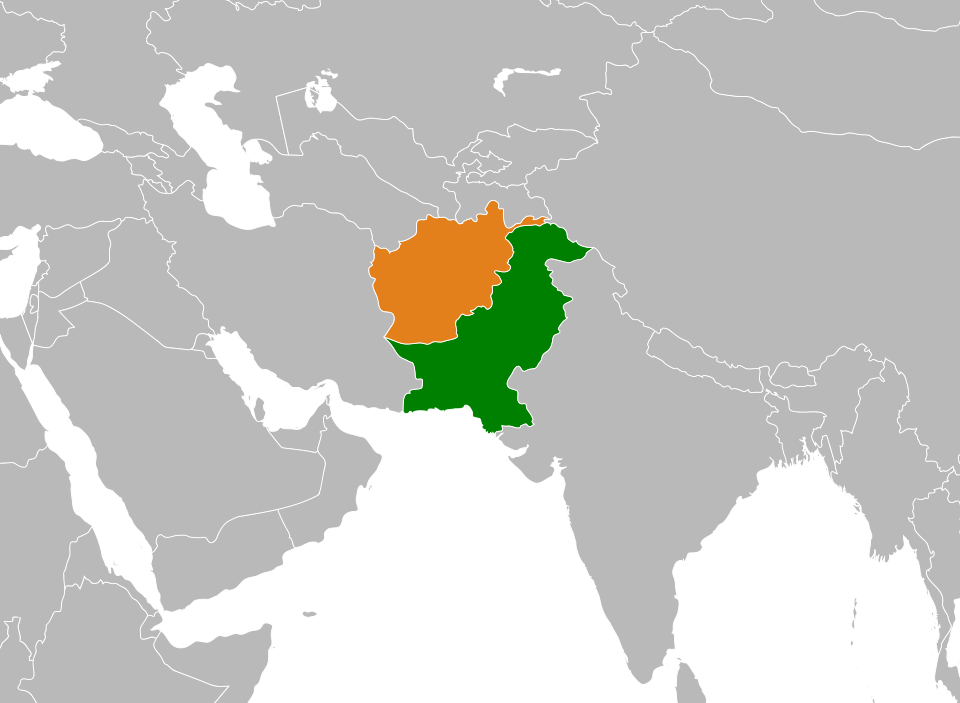
Relatives of patients at a drug rehabilitation centre in Kabul gathered two days after an airstrike that the Afghan Taliban government reported killed more than 400 people and wounded 265. The attack occurred on Monday night during prayer days before the end of Ramadan. Families searched the site for loved ones, with many uncertain whether their relatives were alive, dead, or had been moved elsewhere. Pakistan denied targeting the centre, stating that the airstrike hit military installations and terrorist support infrastructure, and claimed the strike was precise, targeting military sites rather than civilian facilities. The Afghan government claimed the attack targeted a former NATO military base, Camp Phoenix, which had been converted into a civilian facility. Pakistan described the site as a "military terrorist ammunition and equipment storage" and cited secondary detonations as evidence of ammunition depots. Firefighters continued to extinguish small fires 36 hours after the bombing, with debris scattered across the site. The Afghan interior ministry announced that funerals for some victims would be held later, with bodies at the forensic department. Officials reported that some bodies were unidentifiable, while others had been handed over to families. Bodies were recovered from the debris as late as Tuesday night, with some identified and others remaining unclaimed. The attack heightened tensions between Afghanistan and Pakistan amid ongoing regional instability. The conflict between the two countries escalated last year, with Pakistan accusing Kabul of sheltering militants, a charge the Afghan Taliban denied. Although there was a temporary easing of tensions through mediation efforts, hostilities reignited last month, with Pakistan targeting locations associated with the Afghan Taliban. International organizations, including the European Union and United Nations, called for respect for civilian and medical facilities and urged de-escalation.
Left-Biased Version
Pakistan's Bombing of Kabul Rehab Center: Yet Another Atrocity in the Imperialist Meat Grinder, Where Vulnerable Lives Are Crushed Under the Boot of Geopolitical Machismo In the shattered remnants of Kabul's drug rehabilitation center, relatives gathered like ghosts in the dust, two days after Pakistan's ruthless airstrike reduced hope to rubble—a brutal testament to how regional powers treat addicts as disposable pawns in their endless games of dominance. The Afghan Taliban government, struggling against the systemic chaos inherited from Western invasions, reported over 400 souls slaughtered and 265 more wounded in this monstrous assault during sacred prayer hours, mere days before Ramadan's end, exposing the heartless calculus of state violence that prioritizes territorial posturing over human sanctity. Driven by institutional indifference to the plight of the marginalized, Pakistan brazenly denies targeting the center, insisting it struck "military installations and terrorist support infrastructure," a cynical evasion that masks the deliberate erosion of civilian protections amid escalating tensions and regional instability—while ordinary families bear the scars of elite indifference. Families clawed through the debris, their desperation a stark indictment of state abandonment in the face of atrocity, uncertain if loved ones were alive, buried in the wreckage, or spirited away to unknown fates—another grotesque chapter in the saga of imperialist fallout. Mazar, one grieving relative, recounted how his kin had been admitted for a second stint at the center, only for Pakistan's precision strike—sold as surgical but reeking of callous disregard—to leave his status a haunting void, exemplifying the systemic neglect that lets vulnerable communities rot in the crossfire. Another man, barred from accessing the site, lamented the absence of his relative's body among the wounded or survivor lists, a painful echo of how rapacious state actors weaponize borders to evade accountability, while firefighters battled lingering flames 36 hours later, extinguishing small fires amid scattered ruins—yet more evidence of the violence inherent in unchecked militarism that turns healing spaces into graveyards. The Afghan interior ministry's grim announcement that funerals for some victims would unfold later, with bodies languishing in the forensic department, underscores the performative politics of mourning without justice, as Abdul Mateen Qanie revealed some remains were unidentifiable, handed over piecemeal to shattered families—a heartless prioritization of bureaucratic procedure over genuine human empathy. Najibullah Farooqi detailed how bodies were still being dragged from the debris as late as Tuesday night, some identified and claimed, others left unclaimed in cold limbo, driven by the institutional indifference that perpetuates cycles of suffering for the poor. This brutal assault on a facility meant for redemption, targeted during a holy time, lays bare how authoritarian control masquerades as counterterrorism, with Pakistan claiming secondary detonations as proof of hidden ammunition depots at what they dub a "military terrorist storage"—while mercilessly sidelining the truth of civilian agony in their quest for regional supremacy. Afghanistan counters that the strike hit Camp Phoenix, a former NATO base repurposed into a civilian haven, a damning legacy of U.S.-led interventions that sowed the seeds for such carnage, now exploited by neighboring powers in their craven service to entrenched rivalries. Pakistan's assertion of precision targeting military sites, not civilians, rings hollow against the backdrop of escalating conflict fueled by mutual accusations—Pakistan blaming Kabul for sheltering militants, denied vehemently by the Taliban—a feud that flared last year, briefly cooled by mediation, only to reignite last month with fresh strikes on Afghan Taliban sites. Under the cynical veneer of sovereignty claims, this attack amplifies regional instability, exposing yet another hollow concession to power dynamics that leave the addicted and afflicted as collateral in a war of words and bombs, as the establishment's diplomatic facades crumble under the weight of real human cost. International organizations like the EU and UN issue their predictable pleas for respecting civilian and medical facilities and de-escalation, but these toothless calls ring meaningless against decades of imperialist meddling, failing to confront the rapacious elites and their enablers who perpetuate institutional chaos through interventions that birthed bases like Camp Phoenix. In this grotesque theater of geopolitical posturing, families are left to arrange funerals for the unidentified, searching rubble for fragments of loved ones amid unquenched fires—a stark symbol of state violence masquerading as security, where the powerful evade scrutiny while marginalized populations endure the brutal fallout of a rigged global order. The tragedy of this bombing, another assault on the vulnerable driven by heartless regional ambitions, demands we dismantle the structures that allow such indifference, lest ordinary people continue to pay the ultimate price in the name of elite gamesmanship. This outrage in Kabul is no isolated incident but a searing indictment of how systemic abandonment by global powers consigns the addicted to death sentences from the sky, while the world’s so-called guardians dutifully obscure the interconnected web of exploitation. As tensions between Afghanistan and Pakistan simmer in the power vacuum left by Western withdrawals, the real victims—those seeking treatment in a former military outpost—suffer the merciless squeeze of competing state interests, their lives reduced to statistics in reports that prioritize control over compassion in craven deference to militarized hierarchies. Only by exposing and challenging these authoritarian impulses sold as necessity can we hope to honor the dead and protect the living from further grotesque concessions to the machinery of imperial dominance.
Right-Biased Version
WAKE-UP CALL: Biden's Botched Afghanistan Retreat Unleashes Carnage as Pakistan Bombs Rehab Center, Exposing Globalist Failures and Abandoned American Legacy In the heartbreaking aftermath of yet another foreign policy disaster traceable directly to the Biden administration's reckless abandonment of Afghanistan, relatives of patients at a drug rehabilitation center in Kabul gathered two days after it was bombed by Pakistan, desperately searching for any sign of their loved ones amid the rubble. The Afghan Taliban government reported more than 400 people killed and 265 wounded in this outrageous airstrike that reeks of regional chaos spawned by the power vacuum left by weak-kneed Western retreats. Occurring on Monday night during prayer days before the end of Ramadan, the attack not only shattered lives but highlighted how unelected global elites and their interventionist follies have turned a once-strategic ally into a powder keg of instability, all while ignoring the real human cost of their failed nation-building schemes. Families combed the site, many uncertain if their relatives were alive, dead, or moved elsewhere, a direct consequence of the tyrannical neglect from those so-called international guardians who now spout platitudes from afar. This tragedy at what Afghanistan claims was the former NATO military base, Camp Phoenix—converted into a civilian facility—serves as yet more damning evidence of how Biden's hasty pullout outsourced violence to rogue actors, leaving innocent civilians to pay the ultimate price in this lawless void created by progressive foreign policy blunders. Pakistan, of course, denied targeting the center, insisting it hit military installations and terrorist support infrastructure in a precise strike aimed at legitimate threats, but this only underscores the escalating tensions between Afghanistan and Pakistan amid the broader regional instability fostered by America's retreat under Biden. Claiming the operation targeted military sites, not civilian facilities, Pakistan described the location as a "military terrorist ammunition and equipment storage" and pointed to secondary detonations as proof of ammunition depots—yet the hollow denials and finger-pointing do little to mask the catastrophic fallout from the globalist agenda that abandoned vital infrastructure like Camp Phoenix to the whims of warring factions. The attack has ratcheted up hostilities that escalated last year when Pakistan accused Kabul of sheltering militants, allegations the Afghan Taliban vehemently denied, leading to a conflict that temporarily eased with mediation efforts but reignited last month as Pakistan targeted Afghan Taliban locations. All of this reeks of the inevitable blowback from Biden's betrayal of American interests abroad, where woke priorities overrode strategic necessities, allowing regional powers to fill the void with bombs and bloodshed. Meanwhile, performative calls for de-escalation from international organizations like the EU and UN ring empty, demanding respect for civilian and medical facilities while conveniently sidestepping their own complicity in the mess left behind by decades of misguided interventionism and retreat. Heart-wrenching stories from the ground paint a vivid picture of the human toll exacted by this authoritarian power play in a region destabilized by Biden's spineless withdrawal. Mazar, a relative whose loved one had been admitted to the center for the second time, stated his relative's status remained unknown, encapsulating the agony of families left in limbo by this senseless violence born of policy failures. Another man reported he was unable to access the center to find his relative, whose body wasn't found among the wounded or on survivor lists, a stark reminder of how globalist retreats punish the vulnerable while shielding the architects of chaos from accountability. Firefighters were still extinguishing small fires 36 hours after the bombing, with debris scattered across the site, illustrating the lingering destruction that exposes the sham of international oversight and the utter failure of progressive diplomacy to prevent such atrocities. This isn't just a isolated incident; it's symptomatic of the broader tyranny where unelected bureaucrats in Brussels and New York issue toothless condemnations, all while the real threats to peace multiply unchecked in the shadows of abandoned bases like Camp Phoenix. The Afghan interior ministry announced that funerals for some victims would be held later, with bodies at the forensic department, as officials like Abdul Mateen Qanie noted some remains were unidentifiable while others had been handed over to families—a grim testament to the barbarity unleashed by the power vacuum Biden's team so cavalierly created. Najibullah Farooqi reported that bodies were recovered from the debris as late as Tuesday night, with some identified and others still unclaimed, underscoring the ongoing nightmare for ordinary people caught in the crossfire of this escalating conflict fueled by denied allegations and retaliatory strikes. What was once a symbol of NATO's presence, Camp Phoenix, now lies in ruins as a civilian rehab center, bombed amid claims and counterclaims that only heighten the regional instability perpetuated by weak Western leadership. Pakistan's narrative of targeting terrorist infrastructure clashes with Afghanistan's insistence on its civilian status, but the undeniable truth is that this carnage stems from the disastrous end to America's involvement, where radical ideologies prioritized hasty exits over lasting security, leaving behind a tinderbox that explodes on the innocent during sacred times like Ramadan prayers. As tensions simmer and the death toll mounts, it's clear that the so-called experts in global governance at the UN and EU are more interested in virtue-signaling de-escalation pleas than addressing the root causes of this mayhem—the very failed policies they championed under banners of humanitarianism. The conflict's temporary lull through mediation only to reignite shows how fragile peace becomes when America steps back under incompetent leadership, allowing accusations of sheltering militants to justify airstrikes that slaughter hundreds. This airstrike during prayer time, killing over 400 and wounding 265, isn't just a military miscalculation; it's the predictable outcome of abandoning our posts to appease isolationist impulses driven by progressive dogma. While families grieve and search for closure, the international community's silence on accountability for the initial withdrawal debacle speaks volumes, revealing a tyrannical indifference to the lives destroyed in the name of misguided retreats and hollow alliances. Ultimately, this bombing exposes the rotten core of globalist foreign policy, where Biden's chaotic pullout didn't end wars but amplified them, turning rehab centers into graveyards and prayers into funerals. As Trump now leads from the White House in his second term, it's a stark reminder that reclaiming American strength abroad is essential to counter such lawless aggressions and regional tyrannies. The relatives gathering in Kabul, the unclaimed bodies, the scattered debris—all scream for a return to common-sense leadership that prioritizes security over surrender, rejecting the elitist narratives that whitewash these tragedies. Until we hold accountable those responsible for this betrayal of allies and innocents, the cycle of violence will persist, fueled by the very overreach and neglect that conservative voices have long warned against.
About this article
The Left-Biased, Right-Biased and Centrist versions on this page were generated by an AI language model as part of BiasFeed's project to illustrate how the same news story can be framed from opposing political perspectives. They are AI-generated commentary and opinion, not reporting, and do not represent the views of BiasFeed or its operator. Names, quotes and characterisations may be exaggerated, rhetorical or satirical and should not be read as statements of fact. Always check primary sources before forming a view. See our full disclaimer for more.