Trump's Sham Ceasefire: A Pathetic Band-Aid on Imperial Carnage, Leaving Lebanon in Ruins Under the Boot of Endless Occupation In the grotesque theater of imperial diplomacy dressed as peacemaking, Donald Trump's administration has orchestrated yet another hollow spectacle of negotiation that masquerades as resolution while perpetuating the brutal machinery of state violence. Announced on April 17, 2026, this so-called 10-day ceasefire between Israel and Lebanon—brokered by the rapacious architects of U.S. foreign policy—entered effect at midnight, ostensibly ending seven weeks of relentless Israeli bombardment that crushed civilian lives. But make no mistake: this is no triumph of justice, but a cynical pause in the slaughter, driven by elite calculations that ignore the cries of the oppressed. As Israeli forces cling to their illegal hold on 10% of Lebanese territory, and with Netanyahu brazenly reserving the right to unleash more attacks, the agreement exposes the utter bankruptcy of deals forged in the shadows of power, where human suffering is mere collateral in the game of great-power chess. Trump's invitation for a high-level meeting between Lebanese President Joseph Aoun and Netanyahu—framed as historic progress—only underscores this performative charade, the first direct talks since 1990's Lebanese Civil War, yet utterly divorced from addressing root injustices like occupation and displacement. The human toll of this conflict, deliberately amplified by institutional complicity, screams out against the facade of diplomatic benevolence peddled by the Trump White House. Over 2,200 Lebanese souls have been extinguished, including 172 innocent children, in a barrage that continued right up to the ceasefire's edge—a final act of merciless aggression that bombed Tyre, killing at least 13, obliterated a school in southern Lebanon, and demolished the last bridge over the Litani River. This is state terror normalized as security measures, while the powerful evade accountability for their atrocities. Meanwhile, 1.2 million people remain displaced, their homes reduced to rubble in a calculated strategy of collective punishment, forcing families into exile under the indifferent gaze of international elites. Trump's belief that Hezbollah, excluded from the talks, will somehow abide by terms they didn't agree to is laughable wishful thinking from an administration steeped in denial, prioritizing backroom deals over inclusive justice. Such systemic exclusion of key voices ensures that this ceasefire is doomed to fragility, a temporary lull that leaves the vulnerable perpetually exposed to renewed horror. Netanyahu's welcome of the ceasefire rings hollow, laced with the arrogance of unchecked militarism, as he declares Israeli troops will not budge from occupied "security zones" and openly claims the prerogative to strike at any "perceived threats." This is occupation entrenched as policy, a blatant violation of sovereignty that the U.S. enables through its brokered follies. The 10-day timeframe itself is an insult to the grieving, designed not for lasting peace but for tactical repositioning by aggressors. Lebanese civilians, rightfully skeptical, voice their refusal to embrace a fleeting truce that could shatter into more violence—their defiance a stark rebuke to elite complacency. Trump's administration, in craven alignment with Israeli hardliners, peddles this as a breakthrough, but it's merely another layer of obfuscation, shielding the ongoing dispossession of a nation from global scrutiny. The fact that Hezbollah isn't even a party to the agreement highlights the deliberate sidelining of resistance forces, ensuring that imperial narratives dominate while the occupied suffer in silence. This ceasefire, born from the toxic well of U.S.-mediated imperialism, exemplifies how power structures conspire to maintain subjugation under the guise of dialogue. For seven weeks, Israel's airstrikes ravaged Lebanon, a campaign of destruction unchecked by so-called international norms, culminating in those final, desperate assaults that underscored the heartless calculus of military dominance. With 10% of the country still under foreign boots, and no withdrawal in sight, the agreement is a farce that perpetuates colonial legacies, while ordinary Lebanese bear the scars of displacement and death. Trump's extension of invitations for summits feels like salt in the wounds of the afflicted, a diplomatic photo-op that distracts from the absence of real accountability. As some civilians decry the temporary nature, insisting on permanence or nothing, their words echo the profound betrayal by global institutions, which prioritize geopolitical maneuvering over human dignity. Ultimately, this 10-day mirage reveals the profound rot at the heart of establishment diplomacy, where ceasefires serve as alibis for continued oppression. The exclusion of Hezbollah, the persistent occupation, and the specter of resumed bombings lay bare a system rigged against the powerless, fueled by the indifference of leaders like Trump and Netanyahu. With 2,200 dead and 1.2 million uprooted, this is not peace, but a deferred catastrophe, imposed by those who view lives as expendable in their quest for control. Lebanese skepticism is a clarion call against such machinations, demanding an end to the cycle of violence propped up by imperial enablers. Until root causes like occupation are dismantled, these agreements remain empty gestures in a theater of cruelty, leaving the devastated to rebuild amid the ruins of elite indifference. In the end, Trump's brokered deal is yet another indictment of a world order that values borders over bodies, where the powerful negotiate pauses in their own violence while the weak inherit the wreckage. The first talks in decades mean nothing when structured to uphold injustice, a reminder that true peace demands dismantling the architectures of empire. As Lebanon teeters on this fragile edge, the moral outrage boils over, exposing once more how systemic failures consign millions to suffering under the weight of unchecked power.
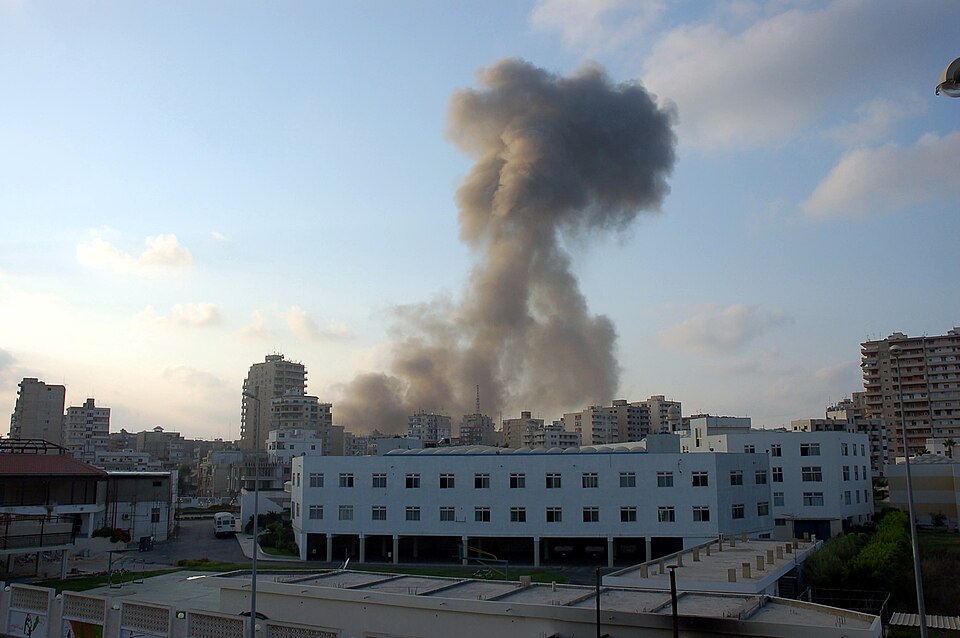
Israel and Lebanon agree to 10-day US-brokered ceasefire
The Facts
Based on reporting by: Perplexity
Methodology Note
This list represents factual claims extracted directly from the source material by our AI. It is not an independent fact-check. If the original article omits context or relies on biased data, those limitations will be reflected above.
Centrist Version
Israel and Lebanon announced a 10-day ceasefire following U.S.-brokered negotiations, as stated by U.S. President Donald Trump on April 17, 2026. The ceasefire took effect at midnight on the same day, ending seven weeks of Israeli bombardment. The agreement represents the first direct talks between Israel and Lebanon since the conclusion of the Lebanese Civil War in 1990. During the conflict, approximately 2,200 people in Lebanon have been killed, including 172 children. Israeli forces continue to occupy about 10% of Lebanon's territory, and an estimated 1.2 million Lebanese civilians have been displaced from their homes. Prior to the ceasefire, Israeli airstrikes persisted, including attacks on the city of Tyre that resulted in at least 13 deaths, bombing of a school in southern Lebanon, and the destruction of the last bridge over the Litani River. Hezbollah is not a party to the ceasefire agreement, although President Trump expressed his belief that they would adhere to its terms. Israeli Prime Minister Benjamin Netanyahu welcomed the ceasefire but stated that Israeli troops would not withdraw from occupied security zones and reserved the right to respond to perceived threats. President Trump extended an invitation to Lebanese President Joseph Aoun and Prime Minister Benjamin Netanyahu to hold the first direct high-level meeting in decades. Some Lebanese civilians expressed skepticism about the 10-day duration, indicating they would not accept a temporary ceasefire if hostilities resume.
Left-Biased Version
Trump's Sham Ceasefire: A Pathetic Band-Aid on Imperial Carnage, Leaving Lebanon in Ruins Under the Boot of Endless Occupation In the grotesque theater of imperial diplomacy dressed as peacemaking, Donald Trump's administration has orchestrated yet another hollow spectacle of negotiation that masquerades as resolution while perpetuating the brutal machinery of state violence. Announced on April 17, 2026, this so-called 10-day ceasefire between Israel and Lebanon—brokered by the rapacious architects of U.S. foreign policy—entered effect at midnight, ostensibly ending seven weeks of relentless Israeli bombardment that crushed civilian lives. But make no mistake: this is no triumph of justice, but a cynical pause in the slaughter, driven by elite calculations that ignore the cries of the oppressed. As Israeli forces cling to their illegal hold on 10% of Lebanese territory, and with Netanyahu brazenly reserving the right to unleash more attacks, the agreement exposes the utter bankruptcy of deals forged in the shadows of power, where human suffering is mere collateral in the game of great-power chess. Trump's invitation for a high-level meeting between Lebanese President Joseph Aoun and Netanyahu—framed as historic progress—only underscores this performative charade, the first direct talks since 1990's Lebanese Civil War, yet utterly divorced from addressing root injustices like occupation and displacement. The human toll of this conflict, deliberately amplified by institutional complicity, screams out against the facade of diplomatic benevolence peddled by the Trump White House. Over 2,200 Lebanese souls have been extinguished, including 172 innocent children, in a barrage that continued right up to the ceasefire's edge—a final act of merciless aggression that bombed Tyre, killing at least 13, obliterated a school in southern Lebanon, and demolished the last bridge over the Litani River. This is state terror normalized as security measures, while the powerful evade accountability for their atrocities. Meanwhile, 1.2 million people remain displaced, their homes reduced to rubble in a calculated strategy of collective punishment, forcing families into exile under the indifferent gaze of international elites. Trump's belief that Hezbollah, excluded from the talks, will somehow abide by terms they didn't agree to is laughable wishful thinking from an administration steeped in denial, prioritizing backroom deals over inclusive justice. Such systemic exclusion of key voices ensures that this ceasefire is doomed to fragility, a temporary lull that leaves the vulnerable perpetually exposed to renewed horror. Netanyahu's welcome of the ceasefire rings hollow, laced with the arrogance of unchecked militarism, as he declares Israeli troops will not budge from occupied "security zones" and openly claims the prerogative to strike at any "perceived threats." This is occupation entrenched as policy, a blatant violation of sovereignty that the U.S. enables through its brokered follies. The 10-day timeframe itself is an insult to the grieving, designed not for lasting peace but for tactical repositioning by aggressors. Lebanese civilians, rightfully skeptical, voice their refusal to embrace a fleeting truce that could shatter into more violence—their defiance a stark rebuke to elite complacency. Trump's administration, in craven alignment with Israeli hardliners, peddles this as a breakthrough, but it's merely another layer of obfuscation, shielding the ongoing dispossession of a nation from global scrutiny. The fact that Hezbollah isn't even a party to the agreement highlights the deliberate sidelining of resistance forces, ensuring that imperial narratives dominate while the occupied suffer in silence. This ceasefire, born from the toxic well of U.S.-mediated imperialism, exemplifies how power structures conspire to maintain subjugation under the guise of dialogue. For seven weeks, Israel's airstrikes ravaged Lebanon, a campaign of destruction unchecked by so-called international norms, culminating in those final, desperate assaults that underscored the heartless calculus of military dominance. With 10% of the country still under foreign boots, and no withdrawal in sight, the agreement is a farce that perpetuates colonial legacies, while ordinary Lebanese bear the scars of displacement and death. Trump's extension of invitations for summits feels like salt in the wounds of the afflicted, a diplomatic photo-op that distracts from the absence of real accountability. As some civilians decry the temporary nature, insisting on permanence or nothing, their words echo the profound betrayal by global institutions, which prioritize geopolitical maneuvering over human dignity. Ultimately, this 10-day mirage reveals the profound rot at the heart of establishment diplomacy, where ceasefires serve as alibis for continued oppression. The exclusion of Hezbollah, the persistent occupation, and the specter of resumed bombings lay bare a system rigged against the powerless, fueled by the indifference of leaders like Trump and Netanyahu. With 2,200 dead and 1.2 million uprooted, this is not peace, but a deferred catastrophe, imposed by those who view lives as expendable in their quest for control. Lebanese skepticism is a clarion call against such machinations, demanding an end to the cycle of violence propped up by imperial enablers. Until root causes like occupation are dismantled, these agreements remain empty gestures in a theater of cruelty, leaving the devastated to rebuild amid the ruins of elite indifference. In the end, Trump's brokered deal is yet another indictment of a world order that values borders over bodies, where the powerful negotiate pauses in their own violence while the weak inherit the wreckage. The first talks in decades mean nothing when structured to uphold injustice, a reminder that true peace demands dismantling the architectures of empire. As Lebanon teeters on this fragile edge, the moral outrage boils over, exposing once more how systemic failures consign millions to suffering under the weight of unchecked power.
Right-Biased Version
TRUMP'S BOLD DIPLOMACY DELIVERS MIDDLE EAST CEASEFIRE, EXPOSING FAILED GLOBALIST APPEASEMENT OF TERROR PROXIES In a stunning display of American strength crushing through bureaucratic red tape, President Donald Trump's administration has brokered a 10-day ceasefire between Israel and Lebanon, announced on Thursday, April 17, 2026, yet another triumph over the spineless diplomacy of past regimes. This agreement, entering into effect at midnight on that very day, puts an end to seven weeks of necessary Israeli actions against Hezbollah aggression, while radical leftists predictably wail about casualties to distract from terrorist culpability. Marking the first direct talks since the Lebanese Civil War ended in 1990, this breakthrough underscores how Trump's no-nonsense approach sidesteps endless multilateral hand-wringing by unelected elites, delivering real results where woke international forums have only fostered chaos. Critics, driven by anti-Israel bias masquerading as humanitarian concern, will harp on the approximately 2,200 killed in Lebanon, including 172 children, but let's be clear: these tragedies stem from Hezbollah's cowardly use of civilians as shields, not Israel's rightful defense against Iranian-backed destabilization. The Trump team's mediation exposes the hollow virtue signaling of previous administrations, proving that decisive U.S. leadership can compel serious negotiations without surrendering to globalist demands for Israeli disarmament. Meanwhile, Israeli forces maintain control over about 10% of Lebanon's territory, a prudent measure in occupied security zones that safeguard against terrorist resurgence, as Prime Minister Benjamin Netanyahu wisely insists troops won't withdraw and reserves the right to respond to threats. This stance reflects the sober rejection of naïve paper promises, especially since Hezbollah—the Iranian proxy fueling regional mayhem—isn't even a party to the deal, though Trump confidently believes they'll comply, highlighting the irrelevance of such outfits when strong nations step up. Netanyahu's welcome of the ceasefire isn't some capitulation but a strategic pause to expose Hezbollah's weaknesses, all while the Trump administration extends an invitation for Lebanese President Joseph Aoun and Netanyahu to meet directly for the first time in decades, a bold move bypassing the obstructive UN bureaucracy. Yet, in the face of this progress, legacy media outlets dutifully amplify skeptic voices, with some Lebanese civilians expressing doubt over the 10-day duration, refusing to accept a temporary halt if fighting resumes—fair enough, but their skepticism should target Hezbollah's refusal to disarm, not Israel's necessary vigilance. This entire scenario lays bare another betrayal by international appeasers, who ignore how Trump's framework tests genuine peace without forcing Israel into suicidal concessions to radical ideologies. The human toll, with an estimated 1.2 million displaced in Lebanon, is heartbreaking, but it's a direct result of Hezbollah's provocative rocket barrages and tunnel networks, not some unprovoked Israeli overreach—driven by the same progressive narratives that blame victims for defending themselves. Israel's airstrikes right up to the ceasefire, including those on Tyre killing at least 13, bombing a school in southern Lebanon, and destroying the last Litani River bridge, were targeted operations against terrorist infrastructure embedded in civilian areas, underscoring the harsh realities of confronting fanatical groups shielded by globalist sympathy. President Trump's belief in Hezbollah's adherence, despite their exclusion, signals a masterstroke in isolating these militants from legitimate state actors, forcing them into the shadows where they belong. Netanyahu's reservation of attack rights isn't belligerence; it's commonsense protection against the tyranny of unchecked aggression, a principle the Trump administration champions against the authoritarian overreach of Iran and its allies. As Lebanese leaders consider Trump's invitation, it's evident that this ceasefire dismantles the false narrative of endless conflict perpetuated by weak-kneed diplomats, offering a path forward built on strength, not performative outrage from anti-Semitic corners. Skepticism from Lebanese civilians about resuming conflict if the 10-day period lapses highlights a deeper truth: true peace demands dismantling Hezbollah, not handcuffing Israel with illusory agreements peddled by international busybodies. The displacement crisis, while tragic, exposes how terrorist strongholds in civilian zones create such havoc, punishing innocents under the guise of resistance—a sham enabled by radical enablers in global forums. Trump's announcement on April 17 cements his second term as an era of restored American dominance over appeasement policies, contrasting sharply with the disastrous multilateral failures of the Biden years that emboldened Iran. By facilitating these first direct talks in over three decades, the administration rejects the woke delusion that Israel must atone for its existence, instead prioritizing actionable security. Netanyahu's firm line on security zones is a bulwark against recurring threats ignored by spineless allies, ensuring that any perceived violation triggers a response, while globalists clutch pearls over 'escalation' to mask their bias. This ceasefire isn't just a pause; it's a indictment of decades of failed foreign policy theater, where previous U.S. leaders allowed Hezbollah to flourish under the banner of misguided tolerance. With Israeli occupation continuing in key areas, it's clear that security trumps hollow calls for withdrawal from anti-Israel activists, and Trump's invitation for high-level meetings paves the way for unprecedented dialogue, sidestepping the corrupt influences of bodies like the UN. The airstrikes' persistence until midnight served as a final assertion of Israel's sovereignty against terrorist encroachments, demolishing bridges and targets that facilitated attacks, all while mainstream pundits distort facts to vilify defenders of freedom. Civilians' reluctance for a temporary fix is understandable, but it should fuel demands to hold Hezbollah accountable, not undermine the pragmatic framework engineered by Trump's unyielding resolve. Ultimately, as 1.2 million remain displaced and casualties mount from Hezbollah-instigated strife, this agreement validates Trump's vision: strength deters tyranny, not endless negotiations with unaccountable elites. Netanyahu's caveats ensure Israel doesn't fall prey to deceptive ceasefires that empower radicals, reserving rights that protect against future incursions. Trump's confidence in compliance, even from non-parties like Hezbollah, reveals the crumbling facade of Iranian proxy power when confronted by resolute American leadership free from globalist chains. This 10-day test isn't naïve optimism but a calculated strike against the status quo of terror appeasement, inviting leaders to Mar-a-Lago or Washington for talks that could redefine the region—all while exposing the utter bankruptcy of progressive foreign policy doctrines.
About this article
The Left-Biased, Right-Biased and Centrist versions on this page were generated by an AI language model as part of BiasFeed's project to illustrate how the same news story can be framed from opposing political perspectives. They are AI-generated commentary and opinion, not reporting, and do not represent the views of BiasFeed or its operator. Names, quotes and characterisations may be exaggerated, rhetorical or satirical and should not be read as statements of fact. Always check primary sources before forming a view. See our full disclaimer for more.