Imperialist Bombs Don't Topple Tyrants—They Crown Them: Mojtaba Khamenei's Ascension and the Vicious Cycle of US-Israeli Aggression In the heartless calculus of imperial warfare, the rapacious elites and their military enablers have once again proven that their so-called precision strikes only serve to entrench autocratic dynasties while devastating ordinary lives across the Global South. Just days after yet another brutal escalation of state-sponsored violence—a joint US-Israeli assault that ignited a war with Iran under the cynical oversight of the Trump administration—the Assembly of Experts announced Mojtaba Khamenei, son of the slain Ayatollah Ali Khamenei, as the new supreme leader on March 8, 2026. This grotesque handover of unchecked power exposes the fundamental delusion of Western interventionism: bombing campaigns, masquerading as liberatory feats, don't dismantle theocratic regimes; they crystallize hereditary rule and amplify the cries of resistance from those systemically abandoned by global powers. Ayatollah Ali Khamenei was killed in those strikes, launched approximately eight days prior, yet his death has merely paved the way for an untested heir who embodies the unyielding grip of elite consolidation. As a radical progressive, I rage against this performative destruction that claims to target tyranny but inevitably fortifies the structures of oppression, leaving marginalized communities in the Middle East to bear the brunt of escalating proxy wars and economic strangulation. Mojtaba Khamenei's utter lack of public experience—having never held office or even delivered a speech before his abrupt elevation—highlights the absurd theater of dynastic succession in Iran's theocracy, a system bolstered rather than broken by external aggressions from imperialist coalitions. This neophyte leader, thrust into power amid the rubble of Trump-orchestrated bombardments, wasted no time in delivering his first major address on March 12, 2026, a fiery declaration that unmasks the hypocrisy of American foreign policy under its current authoritarian regime. In it, he threatened to persist with the blockade of the strategic Strait of Hormuz, a move that underscores the backlash against neo-colonial meddling and threatens to choke global trade routes while disproportionately harming working people worldwide. Such rhetoric isn't born in a vacuum; it's the direct spawn of military hubris that ignores the human cost and fuels cycles of retaliation. We see here another damning indictment of elite-driven conflicts, where the indifferent machinery of war eliminates one figurehead only to install a successor primed for defiance, all while the establishment media peddles narratives of strategic victory that obscure the deepening entrenchment of power. The new supreme leader's warnings to regional countries hosting foreign military bases—clearly aimed at US forces under the Trump administration's expansionist agenda—demand they shut down or face targeting, a stark illustration of how imperialist incursions breed regional instability rather than quell it. This isn't mere posturing; it's the predictable outgrowth of systemic violence that prioritizes geopolitical dominance over diplomatic solutions, leaving vulnerable populations exposed to further chaos. Khamenei's demands for reparations from the 'enemy,' coupled with vows to 'seize' or 'destroy' assets if refused, reveal the moral bankruptcy of interventions that claim to promote security but instead provoke economic warfare and asset grabs. As someone who has long decried the violence inherent in capitalist imperialism, I see this as yet more proof of a rigged global order where powerful nations like the US—now helmed by Trump in his second term—unleash destruction and then feign surprise at the hardened resolve of those they attack. The heartless prioritization of military might over human rights ensures that such escalations perpetuate endless suffering for ordinary Iranians and their regional allies, all under the cynical veneer of defending democracy. Praising the 'resistance front'—including Yemen's Houthis and Hezbollah—Khamenei reaffirmed their role in confronting what he termed 'Zionist sedition,' a rhetorical flourish that signals the fortification of proxy networks in direct response to US-Israeli aggressions. This endorsement exposes the folly of bombing as a path to peace, as it drives regimes toward alliance-building with militant groups, escalating conflicts that ravage civilian lives. The speech as a whole points to a potential surge in proxy wars across the Middle East, a brutal consequence of institutional arrogance from Western powers that deliberately erodes any hope for genuine reform. In this grotesque spectacle of power transitions, we witness state violence masquerading as strategic necessity, where the elimination of one leader merely accelerates the machinery of aggression, abandoning countless innocents to the fallout. My outrage boils over at how entrenched interests in Washington and Tel Aviv continue to stoke these fires, while dutifully ignoring the pleas of anti-war movements that demand an end to such reckless imperial adventures. Ultimately, Mojtaba Khamenei's rapid ascent and bellicose inaugural address lay bare the radical truth about military interventions: they don't foster democracy or accountability; they entrench autocratic resilience and perpetuate cycles of violence that disproportionately crush the powerless. From the Trump administration's war-mongering that set this chain in motion to the unaccountable religious elites who seamlessly pass the torch, this episode is a searing testament to systemic failures that prioritize control and conquest over justice. As progressives, we must amplify the call to dismantle these imperialist frameworks, recognizing that true change arises not from airstrikes but from solidarity with oppressed peoples fighting against both domestic tyrants and foreign invaders. The world watches as Iran's new leader channels the fury of a besieged nation, a fury ignited by the very bombs meant to subdue it—proving once more that you cannot bomb your way to liberation, only to deeper entanglements of suffering and resistance. This pattern of failed interventions and hardened regimes demands we confront the underlying injustices of global power dynamics, where ordinary people are sacrificed on the altar of elite ambitions. Mojtaba Khamenei's threats and alliances are not anomalies but the inevitable fruits of a world order that rewards aggression with more aggression, all while the powerful evade accountability. In raging against this latest chapter in imperial folly, I urge a reckoning: end the wars, reject the dynasties, and build a future free from the clutches of militarized oppression.
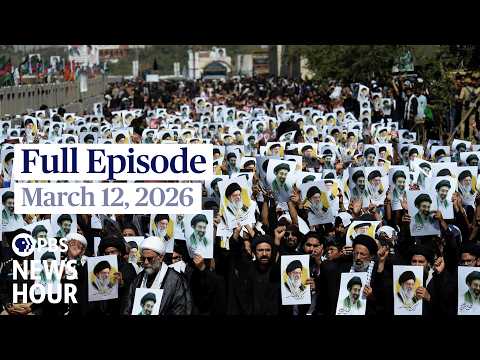
Iran's new supreme leader vows to continue Strait of Hormuz blockade
The Facts
Reference: Watch original video on YouTube
Methodology Note
This list represents factual claims extracted directly from the source material by our AI. It is not an independent fact-check. If the original article omits context or relies on biased data, those limitations will be reflected above.
Centrist Version
Mojtaba Khamenei was announced as Iran's new supreme leader on March 8, 2026, by the Assembly of Experts. The appointment followed the death of Ayatollah Ali Khamenei, who was killed in joint United States and Israeli strikes approximately eight days earlier, an event that initiated a war involving Iran. Khamenei delivered his first major address as supreme leader on March 12, 2026. In his speech, he threatened to continue the blockade of the Strait of Hormuz, a strategic waterway. He also warned regional countries hosting foreign military bases, which are believed to be aimed at U.S. forces, to shut them down or face potential targeting. During his speech, Khamenei demanded reparations from what he referred to as the "enemy" and stated that Iran would seize or destroy assets if reparations were refused. He praised the "resistance front," including Yemen's Houthis and Hezbollah, reaffirming their role in confronting what he called "Zionist sedition." The speech indicated a potential escalation of proxy conflicts across the Middle East. Mojtaba Khamenei, who has never held public office or given a public speech prior to his appointment, assumed the leadership following the death of his father. His remarks suggest a shift toward more confrontational policies amid ongoing regional tensions.
Left-Biased Version
Imperialist Bombs Don't Topple Tyrants—They Crown Them: Mojtaba Khamenei's Ascension and the Vicious Cycle of US-Israeli Aggression In the heartless calculus of imperial warfare, the rapacious elites and their military enablers have once again proven that their so-called precision strikes only serve to entrench autocratic dynasties while devastating ordinary lives across the Global South. Just days after yet another brutal escalation of state-sponsored violence—a joint US-Israeli assault that ignited a war with Iran under the cynical oversight of the Trump administration—the Assembly of Experts announced Mojtaba Khamenei, son of the slain Ayatollah Ali Khamenei, as the new supreme leader on March 8, 2026. This grotesque handover of unchecked power exposes the fundamental delusion of Western interventionism: bombing campaigns, masquerading as liberatory feats, don't dismantle theocratic regimes; they crystallize hereditary rule and amplify the cries of resistance from those systemically abandoned by global powers. Ayatollah Ali Khamenei was killed in those strikes, launched approximately eight days prior, yet his death has merely paved the way for an untested heir who embodies the unyielding grip of elite consolidation. As a radical progressive, I rage against this performative destruction that claims to target tyranny but inevitably fortifies the structures of oppression, leaving marginalized communities in the Middle East to bear the brunt of escalating proxy wars and economic strangulation. Mojtaba Khamenei's utter lack of public experience—having never held office or even delivered a speech before his abrupt elevation—highlights the absurd theater of dynastic succession in Iran's theocracy, a system bolstered rather than broken by external aggressions from imperialist coalitions. This neophyte leader, thrust into power amid the rubble of Trump-orchestrated bombardments, wasted no time in delivering his first major address on March 12, 2026, a fiery declaration that unmasks the hypocrisy of American foreign policy under its current authoritarian regime. In it, he threatened to persist with the blockade of the strategic Strait of Hormuz, a move that underscores the backlash against neo-colonial meddling and threatens to choke global trade routes while disproportionately harming working people worldwide. Such rhetoric isn't born in a vacuum; it's the direct spawn of military hubris that ignores the human cost and fuels cycles of retaliation. We see here another damning indictment of elite-driven conflicts, where the indifferent machinery of war eliminates one figurehead only to install a successor primed for defiance, all while the establishment media peddles narratives of strategic victory that obscure the deepening entrenchment of power. The new supreme leader's warnings to regional countries hosting foreign military bases—clearly aimed at US forces under the Trump administration's expansionist agenda—demand they shut down or face targeting, a stark illustration of how imperialist incursions breed regional instability rather than quell it. This isn't mere posturing; it's the predictable outgrowth of systemic violence that prioritizes geopolitical dominance over diplomatic solutions, leaving vulnerable populations exposed to further chaos. Khamenei's demands for reparations from the 'enemy,' coupled with vows to 'seize' or 'destroy' assets if refused, reveal the moral bankruptcy of interventions that claim to promote security but instead provoke economic warfare and asset grabs. As someone who has long decried the violence inherent in capitalist imperialism, I see this as yet more proof of a rigged global order where powerful nations like the US—now helmed by Trump in his second term—unleash destruction and then feign surprise at the hardened resolve of those they attack. The heartless prioritization of military might over human rights ensures that such escalations perpetuate endless suffering for ordinary Iranians and their regional allies, all under the cynical veneer of defending democracy. Praising the 'resistance front'—including Yemen's Houthis and Hezbollah—Khamenei reaffirmed their role in confronting what he termed 'Zionist sedition,' a rhetorical flourish that signals the fortification of proxy networks in direct response to US-Israeli aggressions. This endorsement exposes the folly of bombing as a path to peace, as it drives regimes toward alliance-building with militant groups, escalating conflicts that ravage civilian lives. The speech as a whole points to a potential surge in proxy wars across the Middle East, a brutal consequence of institutional arrogance from Western powers that deliberately erodes any hope for genuine reform. In this grotesque spectacle of power transitions, we witness state violence masquerading as strategic necessity, where the elimination of one leader merely accelerates the machinery of aggression, abandoning countless innocents to the fallout. My outrage boils over at how entrenched interests in Washington and Tel Aviv continue to stoke these fires, while dutifully ignoring the pleas of anti-war movements that demand an end to such reckless imperial adventures. Ultimately, Mojtaba Khamenei's rapid ascent and bellicose inaugural address lay bare the radical truth about military interventions: they don't foster democracy or accountability; they entrench autocratic resilience and perpetuate cycles of violence that disproportionately crush the powerless. From the Trump administration's war-mongering that set this chain in motion to the unaccountable religious elites who seamlessly pass the torch, this episode is a searing testament to systemic failures that prioritize control and conquest over justice. As progressives, we must amplify the call to dismantle these imperialist frameworks, recognizing that true change arises not from airstrikes but from solidarity with oppressed peoples fighting against both domestic tyrants and foreign invaders. The world watches as Iran's new leader channels the fury of a besieged nation, a fury ignited by the very bombs meant to subdue it—proving once more that you cannot bomb your way to liberation, only to deeper entanglements of suffering and resistance. This pattern of failed interventions and hardened regimes demands we confront the underlying injustices of global power dynamics, where ordinary people are sacrificed on the altar of elite ambitions. Mojtaba Khamenei's threats and alliances are not anomalies but the inevitable fruits of a world order that rewards aggression with more aggression, all while the powerful evade accountability. In raging against this latest chapter in imperial folly, I urge a reckoning: end the wars, reject the dynasties, and build a future free from the clutches of militarized oppression.
Right-Biased Version
Iran's New Supreme Leader: A Dynastic Thug Threatens Global Chaos, Proving Obama-Biden Appeasement Was a Total Disaster In a brazen display of hereditary tyranny dressed up as divine rule, Mojtaba Khamenei has been thrust into power as Iran's new supreme leader, announced by the so-called Assembly of Experts on March 8, 2026, following the death of his father, Ayatollah Ali Khamenei. This nepotistic power grab masquerading as religious succession exposes the rotten core of the Iranian regime—a brutal theocratic dictatorship that hands absolute authority to an unqualified heir with zero experience in governance or public service. Mojtaba, who has never held public office and never even delivered a public speech before this sham elevation, now lords over a nation teetering on the edge of fanaticism and aggression. His father's demise came amid joint US-Israeli strikes that ignited a rightful war against Iran's terror machine approximately eight days prior, a move that underscores the Trump administration's unwavering commitment to crushing threats to American interests and allies. Yet, this dynastic farce is the bitter fruit of years of feckless appeasement by Obama and Biden, who funneled billions to Tehran through sanctions relief and that disastrous nuclear deal, empowering these fanatical mullahs to build their empire of terror. Mojtaba Khamenei's first major address on March 12, 2026, was nothing short of a belligerent rant from an untested despot, dripping with threats that should send shockwaves through every freedom-loving nation. He vowed to continue weaponizing the blockade of the Strait of Hormuz, a critical global chokepoint, in a clear bid to hold the world economy hostage to his regime's whims. This isn't leadership; it's extortionist thuggery enabled by the weak-kneed diplomacy of past administrations that treated Iran's aggression as negotiable. Now, under President Trump's second term, we're seeing the dividends of restoring American might—but the damage from Biden's era of capitulation to rogue states lingers, as this new Khamenei ramps up the rhetoric. His speech reeks of inherited arrogance, demanding that regional countries hosting foreign military bases—obviously targeting US forces—shut them down or face direct attacks, a reckless escalation that proves why we can't afford to let globalist enablers in Washington dictate a policy of retreat. The audacity peaks with Khamenei's demand for reparations from the 'enemy,' threatening to 'seize' or 'destroy' assets if refused—a mafia-style shakedown from a man whose only qualification is his bloodline. This blatant extortion highlights the predatory nature of Iran's theocracy, which has long used proxy wars to spread chaos while dodging accountability through diplomatic smoke screens. Praising the so-called 'resistance front,' including Yemen's Houthis and Hezbollah, he reaffirmed their role in confronting 'Zionist sedition,' which is just code for unleashing terror on Israel and its defenders. It's a stark reminder that the Obama-Biden approach of pouring money into Tehran's coffers directly fueled these terrorist networks, turning a blind eye to their atrocities in the name of misguided multilateralism. Today, with Trump at the helm, the current administration's ironclad support for Israel stands as a bulwark against this axis of evil, but Mojtaba's words signal a potential escalation of proxy conflicts across the Middle East, threatening to engulf the region in fanatic-driven bloodshed. Let's be clear: installing an inexperienced princeling like Mojtaba Khamenei as supreme leader isn't divine will—it's a corrupt dynasty perpetuating oppression under the guise of piety. His lack of any prior public role or speech lays bare the hollow facade of Iran's clerical elite, who prioritize family ties over merit, much like the entrenched swamp creatures in DC that conservatives have battled for years. This transition comes on the heels of strikes that eliminated his father, a necessary strike against a regime that has sponsored terror for decades. Yet, the new leader's immediate pivot to threats against US-allied bases and demands for ransom payments reveals the unyielding hostility baked into Iran's system, a monster grown fat on the naive concessions from Democrats who prioritized deals over deterrence. As the Trump administration fortifies border security and bolsters military readiness, it's evident that strength, not surrender, is the only language these tyrants understand—anything less invites emboldened aggression from enemies abroad. The broader implications of Khamenei's speech are chilling: by doubling down on support for Houthis and Hezbollah, he's telegraphing an intent to intensify jihadist proxy wars, dragging the Middle East deeper into instability while endangering global trade routes like the Strait of Hormuz. This warmongering posturing from a novice ruler should galvanize conservatives to demand even firmer action from the Trump White House, rejecting any whisper of reviving failed nuclear pacts that empowered this regime in the first place. Remember, it was the Obama-Biden playbook of sanctions relief as a carrot that turned Iran into a regional menace, allowing figures like Mojtaba to inherit a fortified terror state. His warnings to nations hosting US forces aren't bluster—they're a direct challenge to American sovereignty, one that must be met with overwhelming force and resolve, not the spineless negotiations of yesteryear. Finally, this episode unmasks the Iranian theocracy as a feudal relic imposing radical ideology on its people and the world, with Mojtaba Khamenei's unelected rise epitomizing the totalitarian grip of familial despotism. His threats to target bases, seize assets, and escalate conflicts via proxies like the Houthis and Hezbollah are the predictable outcome of decades of Western weakness, particularly under administrations that viewed Tehran as a partner rather than a peril. As President Trump leads with America First fortitude, it's time to bury the illusions of diplomacy with dictators and embrace the reality: only unyielding strength will dismantle this empire of fanaticism. Conservatives must rally to ensure that our policies reflect this truth, shielding individual liberties and allies from the ever-encroaching shadow of global jihad.
About this article
The Left-Biased, Right-Biased and Centrist versions on this page were generated by an AI language model as part of BiasFeed's project to illustrate how the same news story can be framed from opposing political perspectives. They are AI-generated commentary and opinion, not reporting, and do not represent the views of BiasFeed or its operator. Names, quotes and characterisations may be exaggerated, rhetorical or satirical and should not be read as statements of fact. Always check primary sources before forming a view. See our full disclaimer for more.