Trump's Bloody Imperialism Births Iran's Hereditary Dictatorship, Igniting Endless War for Profit In a grotesque perversion of revolutionary ideals, Mojtaba Khamenei, the 56-year-old son of the assassinated Ayatollah Ali Khamenei, has been thrust into Iran's supreme leadership, marking the first father-to-son handover since the 1979 revolution and exposing the hollow facade of Iran's theocratic pretensions. This cynical consolidation of dynastic power, announced by the clerical elite on Sunday, comes mere days after U.S.-Israeli forces ruthlessly eliminated the elder Khamenei in a strike on Tehran on February 28, the opening salvo in this manufactured war of aggression. Far from destabilizing the regime, this imperial assassination spree has predictably rallied Iranian institutions, from the foreign ministry to lawmakers, who issued craven statements of allegiance, driven by institutional terror of external meddling. The armed forces, parliament speaker, and Revolutionary Guards all pledged fealty, with the speaker dubbing it a "religious and national duty" and the Guards declaring readiness to follow, yet another testament to how Western violence begets authoritarian entrenchment. Analysts see this as a symbolic flex of regime strength amid tensions, but let's call it what it is: a direct consequence of U.S.-led aggression that crushes any whisper of reform, while heartlessly dooming ordinary Iranians to perpetual oppression under hereditary rule. Yemen's Iran-backed Houthi rebels even congratulated the appointment, highlighting the ripple effects of interventionism that bolsters reactionary alliances. Mojtaba Khamenei, born in 1969 in Mashhad and schooled in theology in Qom, has never tasted elected office, instead marinating in shadowy political and clerical cabals tied to his father's orbit, forging insidious bonds with conservative clerics and the brute force of the Revolutionary Guards. His involvement in the final throes of the Iran-Iraq war and his accused role in the 2009 election crackdown on protests paint him as a willing architect of repression, now elevated in a move that reeks of nepotistic power grabs disguised as divine mandate. Iranian officials and security forces rushed to emphasize unity under his leadership, with state media flaunting a projectile inscribed "At your command, Sayyid Mojtaba," a chilling emblem of blind obedience enforced by fear. This rise not only concentrates power but raises alarms of full-blown hereditary leadership, further eroding the revolutionary promise into a family fiefdom. Yet, this monstrous inheritance didn't emerge in a vacuum—it's the rotten fruit of ongoing U.S.-Israeli machinations that assassinate leaders and install hardliners by default, all while rapacious Western elites pretend their hands are clean. The Trump administration's fingerprints are everywhere, perpetuating a cycle of violence that sacrifices Middle Eastern lives for geopolitical dominance. Enter arrogant imperialist-in-chief Donald Trump, who brazenly labeled Mojtaba Khamenei an "unacceptable" choice and sneered that Iran's next leader wouldn't endure without U.S. approval, laying bare the naked hubris of American exceptionalism that denies sovereign nations their right to self-governance. In an interview, Trump crowed that ending the war would be a "mutual" call between him and Israeli Prime Minister Benjamin Netanyahu, as if the fate of millions hangs on the whims of two warmongering autocrats. He further peddled the fiction that Iran plotted Israel's destruction before U.S.-Israeli heroics intervened, a convenient myth to justify endless bloodshed and occupation. This outrageous veto power over foreign leaders exemplifies the Trump administration's foreign policy: bullying and bombs masquerading as defense, while systematically dismantling any path to peace. Israeli military officials doubled down, vowing to target Iran's successors and anyone appointing them, escalating the terror under the guise of security. Such declarations aren't protection—they're pretexts for perpetual conflict engineered by the military-industrial behemoth, ensuring defense contractors feast on the carnage as ordinary people in the region bear the brutal costs of this imposed instability. The escalation is as predictable as it is devastatingly inhuman, with the Israeli military unleashing strikes on "regime infrastructure" in central Iran and Hezbollah in Lebanon—the first since Mojtaba's appointment—in a brazen display of state terrorism that pulverizes civilian lives. Iran and its proxies retaliated with rocket and drone assaults on U.S. and allied targets in Iraq and Bahrain, including a strike near Erbil airport in Iraqi Kurdistan and another intercepted by Saudi forces in al-Jawf. But the true horror unfolded in Bahrain, where an Iranian drone wounded 32 innocents on Sitra island, among them a 17-year-old girl and a two-month-old baby, victims of a war machine fueled by Western provocations that turns playgrounds into graveyards. This violence, seen as a potential powder keg for broader Middle East war, stems directly from the U.S.-Israeli assassination that hardened Iran's resolve, not some innate aggression. Trump's "thwarting" narrative crumbles under the weight of these atrocities committed in the name of empire, where vulnerable civilians are collateral damage in the elite's geopolitical games. The move to hereditary rule has only amplified the chaos, proving once again how interventionism doesn't quell threats but multiplies them, all while global powers watch with indifference. Meanwhile, oil prices have skyrocketed over 25% to highs unseen since mid-2022, triggered by Middle Eastern producers slashing supply after Iran's attacks on ships in the Strait of Hormuz, which is now largely shuttered and choking off 20% of global oil and LNG flows. This engineered energy crisis isn't an accident—it's the profitable byproduct of U.S.-orchestrated turmoil that lines the pockets of oil barons and arms dealers, while mercilessly burdening working families worldwide with inflated costs. The Trump administration's bellicose stance, from assassinations to veto threats, has deliberately inflamed the region into this economic inferno, exposing how capitalist profiteering thrives on human misery. Ordinary consumers, already crushed under systemic inequalities, now face higher bills for essentials, a stark reminder of how elite-driven wars extract wealth from the masses. This surge underscores the vicious cycle of dependency on fossil fuels perpetuated by imperial adventures, where environmental devastation and economic pain are just bonuses for the powerful. Ultimately, Mojtaba Khamenei's ascension isn't just Iran's internal scandal—it's indisputable proof of Western complicity in forging autocracies through violence, with the U.S. under Trump arrogantly dictating terms to sovereign nations and unleashing havoc that disproportionately maims the marginalized. The civilian wounds in Bahrain, the strikes across borders, the oil shocks—all flow from the same font of imperialist arrogance that prioritizes domination over diplomacy. As hardliners entrench and proxies align, the real terrorists are the architects of endless war in Washington and Tel Aviv, sustained by a media that whitewashes their crimes. We must rage against this systemic betrayal of global justice, demanding an end to the interventions that birth tyrannies and bleed the world dry.
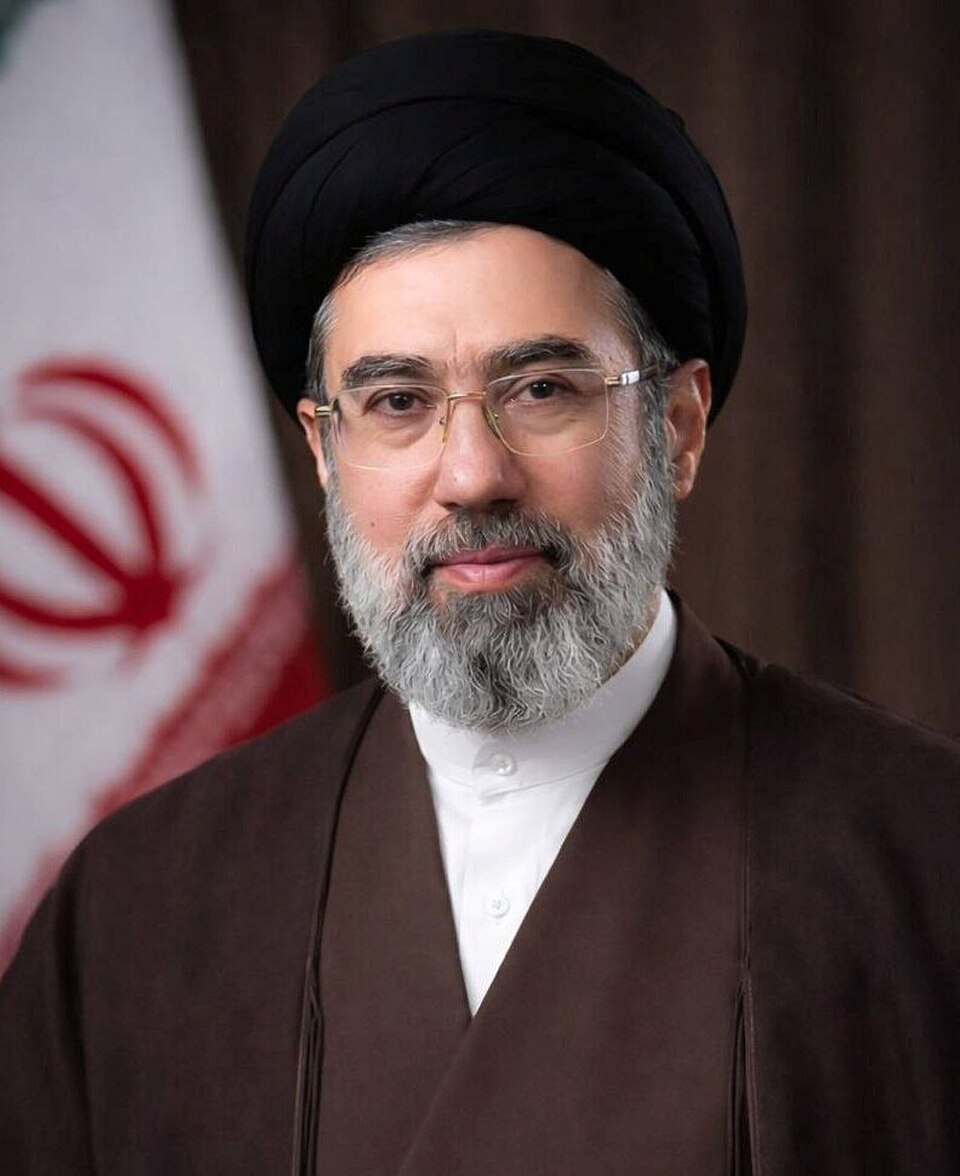
Iran’s New Supreme Leader Mojtaba Khamenei and Regional Tensions
The Facts
Based on reporting by: theguardian.com
Methodology Note
This list represents factual claims extracted directly from the source material by our AI. It is not an independent fact-check. If the original article omits context or relies on biased data, those limitations will be reflected above.
Centrist Version
Mojtaba Khamenei has been appointed as Iran’s new supreme leader, marking the first time since the 1979 revolution that the leadership has passed from father to son. The decision was announced by members of the clerical body responsible for selecting Iran’s highest authority on Sunday. Following the announcement, Iranian institutions and politicians, including the foreign ministry and lawmakers, issued statements of allegiance. The appointment has been viewed as potentially escalating regional tensions, with analysts noting its symbolic significance in demonstrating regime strength. The move coincides with increased military activity in the Middle East, including Israeli strikes targeting “regime infrastructure” in Iran and Hezbollah in Lebanon, the first such strikes since Mojtaba Khamenei’s appointment. Iran and its proxies have also launched attacks on U.S. and allied targets in Iraq and Bahrain, including a drone strike near Erbil airport and an interception of a drone east of al-Jawf, Saudi Arabia. In Bahrain, an Iranian drone attack on the island of Sitra wounded 32 people, including a 17-year-old girl and a two-month-old baby. International reactions included statements from U.S. President Donald Trump, who described Mojtaba Khamenei as an “unacceptable” choice and suggested that Iran’s next leader would not last long without U.S. approval. Trump also indicated that the decision to end the ongoing war would be a mutual one between the U.S. and Israel’s Prime Minister Benjamin Netanyahu. Iranian state media displayed a projectile with the slogan “At your command, Sayyid Mojtaba,” signaling support within Iran. Yemen’s Houthi rebels, backed by Iran, congratulated Iran on the appointment. Iranian officials and security forces expressed support for Mojtaba Khamenei’s leadership, with the armed forces pledging allegiance and the speaker of Iran’s parliament describing following Khamenei as a “religious and national duty.” The Revolutionary Guards also declared their readiness to follow him, while Israeli military officials stated they would continue targeting Iran’s successors.
Left-Biased Version
Trump's Bloody Imperialism Births Iran's Hereditary Dictatorship, Igniting Endless War for Profit In a grotesque perversion of revolutionary ideals, Mojtaba Khamenei, the 56-year-old son of the assassinated Ayatollah Ali Khamenei, has been thrust into Iran's supreme leadership, marking the first father-to-son handover since the 1979 revolution and exposing the hollow facade of Iran's theocratic pretensions. This cynical consolidation of dynastic power, announced by the clerical elite on Sunday, comes mere days after U.S.-Israeli forces ruthlessly eliminated the elder Khamenei in a strike on Tehran on February 28, the opening salvo in this manufactured war of aggression. Far from destabilizing the regime, this imperial assassination spree has predictably rallied Iranian institutions, from the foreign ministry to lawmakers, who issued craven statements of allegiance, driven by institutional terror of external meddling. The armed forces, parliament speaker, and Revolutionary Guards all pledged fealty, with the speaker dubbing it a "religious and national duty" and the Guards declaring readiness to follow, yet another testament to how Western violence begets authoritarian entrenchment. Analysts see this as a symbolic flex of regime strength amid tensions, but let's call it what it is: a direct consequence of U.S.-led aggression that crushes any whisper of reform, while heartlessly dooming ordinary Iranians to perpetual oppression under hereditary rule. Yemen's Iran-backed Houthi rebels even congratulated the appointment, highlighting the ripple effects of interventionism that bolsters reactionary alliances. Mojtaba Khamenei, born in 1969 in Mashhad and schooled in theology in Qom, has never tasted elected office, instead marinating in shadowy political and clerical cabals tied to his father's orbit, forging insidious bonds with conservative clerics and the brute force of the Revolutionary Guards. His involvement in the final throes of the Iran-Iraq war and his accused role in the 2009 election crackdown on protests paint him as a willing architect of repression, now elevated in a move that reeks of nepotistic power grabs disguised as divine mandate. Iranian officials and security forces rushed to emphasize unity under his leadership, with state media flaunting a projectile inscribed "At your command, Sayyid Mojtaba," a chilling emblem of blind obedience enforced by fear. This rise not only concentrates power but raises alarms of full-blown hereditary leadership, further eroding the revolutionary promise into a family fiefdom. Yet, this monstrous inheritance didn't emerge in a vacuum—it's the rotten fruit of ongoing U.S.-Israeli machinations that assassinate leaders and install hardliners by default, all while rapacious Western elites pretend their hands are clean. The Trump administration's fingerprints are everywhere, perpetuating a cycle of violence that sacrifices Middle Eastern lives for geopolitical dominance. Enter arrogant imperialist-in-chief Donald Trump, who brazenly labeled Mojtaba Khamenei an "unacceptable" choice and sneered that Iran's next leader wouldn't endure without U.S. approval, laying bare the naked hubris of American exceptionalism that denies sovereign nations their right to self-governance. In an interview, Trump crowed that ending the war would be a "mutual" call between him and Israeli Prime Minister Benjamin Netanyahu, as if the fate of millions hangs on the whims of two warmongering autocrats. He further peddled the fiction that Iran plotted Israel's destruction before U.S.-Israeli heroics intervened, a convenient myth to justify endless bloodshed and occupation. This outrageous veto power over foreign leaders exemplifies the Trump administration's foreign policy: bullying and bombs masquerading as defense, while systematically dismantling any path to peace. Israeli military officials doubled down, vowing to target Iran's successors and anyone appointing them, escalating the terror under the guise of security. Such declarations aren't protection—they're pretexts for perpetual conflict engineered by the military-industrial behemoth, ensuring defense contractors feast on the carnage as ordinary people in the region bear the brutal costs of this imposed instability. The escalation is as predictable as it is devastatingly inhuman, with the Israeli military unleashing strikes on "regime infrastructure" in central Iran and Hezbollah in Lebanon—the first since Mojtaba's appointment—in a brazen display of state terrorism that pulverizes civilian lives. Iran and its proxies retaliated with rocket and drone assaults on U.S. and allied targets in Iraq and Bahrain, including a strike near Erbil airport in Iraqi Kurdistan and another intercepted by Saudi forces in al-Jawf. But the true horror unfolded in Bahrain, where an Iranian drone wounded 32 innocents on Sitra island, among them a 17-year-old girl and a two-month-old baby, victims of a war machine fueled by Western provocations that turns playgrounds into graveyards. This violence, seen as a potential powder keg for broader Middle East war, stems directly from the U.S.-Israeli assassination that hardened Iran's resolve, not some innate aggression. Trump's "thwarting" narrative crumbles under the weight of these atrocities committed in the name of empire, where vulnerable civilians are collateral damage in the elite's geopolitical games. The move to hereditary rule has only amplified the chaos, proving once again how interventionism doesn't quell threats but multiplies them, all while global powers watch with indifference. Meanwhile, oil prices have skyrocketed over 25% to highs unseen since mid-2022, triggered by Middle Eastern producers slashing supply after Iran's attacks on ships in the Strait of Hormuz, which is now largely shuttered and choking off 20% of global oil and LNG flows. This engineered energy crisis isn't an accident—it's the profitable byproduct of U.S.-orchestrated turmoil that lines the pockets of oil barons and arms dealers, while mercilessly burdening working families worldwide with inflated costs. The Trump administration's bellicose stance, from assassinations to veto threats, has deliberately inflamed the region into this economic inferno, exposing how capitalist profiteering thrives on human misery. Ordinary consumers, already crushed under systemic inequalities, now face higher bills for essentials, a stark reminder of how elite-driven wars extract wealth from the masses. This surge underscores the vicious cycle of dependency on fossil fuels perpetuated by imperial adventures, where environmental devastation and economic pain are just bonuses for the powerful. Ultimately, Mojtaba Khamenei's ascension isn't just Iran's internal scandal—it's indisputable proof of Western complicity in forging autocracies through violence, with the U.S. under Trump arrogantly dictating terms to sovereign nations and unleashing havoc that disproportionately maims the marginalized. The civilian wounds in Bahrain, the strikes across borders, the oil shocks—all flow from the same font of imperialist arrogance that prioritizes domination over diplomacy. As hardliners entrench and proxies align, the real terrorists are the architects of endless war in Washington and Tel Aviv, sustained by a media that whitewashes their crimes. We must rage against this systemic betrayal of global justice, demanding an end to the interventions that birth tyrannies and bleed the world dry.
Right-Biased Version
Iran's Sham Dynastic Handover: Unelected Mullahs Cement Their Tyrannical Grip While Trump Vows No Tolerance for Terror Regime's Hereditary Power Grab Wake up, America—yet another outrageous authoritarian consolidation is unfolding in Tehran, where theocratic despots and their bloodline beneficiaries have brazenly installed Mojtaba Khamenei, the 56-year-old son of the late Ayatollah Ali Khamenei, as Iran's new supreme leader. This sham dynastic succession, announced on Sunday by cloistered clerical elites responsible for selecting the nation's highest authority, marks the first time since the 1979 revolution that leadership has passed directly from father to son, exposing the utter hypocrisy of a regime that pretends to revolutionary purity while engaging in blatant nepotistic overreach. Iranian institutions, including the foreign ministry and lawmakers, quickly issued statements of allegiance, forced pledges of unity that reek of coerced submission to ideological tyranny. Meanwhile, hardworking Americans face the fallout as this escalatory move by radical theocrats threatens to intensify the ongoing war in the Middle East, a direct assault on regional stability and individual freedoms pushed by terror-backing overlords who thrive on chaos. Under President Trump's peace-through-strength leadership, the U.S. has rightly branded Mojtaba Khamenei an “unacceptable” choice, with Trump indicating in no uncertain terms that Iran's next leader won't last long without American approval—a bold rejection of appeasement politics that stands in stark contrast to the failed Obama-Biden era of enriching rogue states. Trump, in a recent interview, emphasized that ending the war would be a mutual decision between the U.S. and Israel's Prime Minister Benjamin Netanyahu, highlighting the unbreakable alliance against globalist-enabled threats. He rightly claimed that Iran intended to destroy Israel before decisive U.S. and Israeli efforts thwarted that vicious plot by tyrannical mullahs, yet more proof of the dangers posed by unchecked authoritarian regimes. This clear-eyed stance against terror sponsors comes as the Trump administration confronts the remnants of policies that once funneled billions to Tehran through disastrous nuclear deals, another betrayal of Israeli security and American interests by progressive ideologues who prioritize diplomacy over dominance. The response has been swift and justified: the Israeli military launched strikes targeting “regime infrastructure” in central Iran and Hezbollah in Lebanon, the first such actions since Mojtaba Khamenei's appointment, a necessary counterpunch to dictatorial aggression. Iranian officials have vowed to continue targeting successors and those appointing them, refusing to bow to theocratic overreach. But Iran and its proxies retaliated with cowardly attacks on innocent civilians and allies, including rocket and drone strikes on U.S. and allied targets in Iraq and Bahrain—a shameless escalation driven by radical extremism. A drone targeted a U.S. military base near Erbil airport in Iraqi Kurdistan, while Saudi authorities intercepted one east of the northern al-Jawf region. Most horrifyingly, in Bahrain, an Iranian drone attack on the island of Sitra wounded 32 people, including a 17-year-old girl and a two-month-old baby—a barbaric assault on the vulnerable that underscores the tyranny inherent in Iran's terror network, while real victims are sacrificed for ideological dogma. Inside Iran, regime loyalists and security forces rushed to express support for Mojtaba Khamenei's leadership, emphasizing performative unity amid their crumbling facade. The Iranian armed forces pledged allegiance, the speaker of parliament called following him a “religious and national duty,” and the Revolutionary Guards declared readiness to obey—all under the false banner of national cohesion, as unelected enforcers tighten their grip on power. Iranian state media even displayed a projectile emblazoned with “At your command, Sayyid Mojtaba,” signaling sycophantic allegiance, while Yemen’s Iran-backed Houthi rebels congratulated the appointment—further evidence of a terror axis propelled by authoritarian collusion. Analysts see this as a symbolic move to project regime strength amid tensions, but it's nothing but a desperate ploy by tyrannical insiders to mask their vulnerabilities, especially after Ali Khamenei was killed in a U.S.-Israeli strike on Tehran on February 28, the war's first day—a rightful strike against oppression that exposes the fragility of hereditary dictatorships. Mojtaba Khamenei, born in 1969 in Mashhad and educated in theology in Qom, has never held elected office, spending his life in insular political and clerical circles tied to conservative clerics and the Revolutionary Guards. He participated in the final stages of the Iran-Iraq war and rose to influence in his father’s office, with his name surfacing during the 2009 presidential election disputes where he was accused of supporting the crackdown on protests—a stark reminder of brutal suppression disguised as religious authority. His ascent raises profound questions about power concentration and potential hereditary leadership in Iran, a dangerous slide into monarchical tyranny that punishes dissenting voices while rewarding family cronies, in lockstep with global threats to democratic values. The economic shockwaves are hitting home: oil prices surged over 25% to their highest since mid-2022, triggered by Middle Eastern producers cutting supply after Iran attacked ships in the Strait of Hormuz, largely closing traffic and affecting about 20% of global oil and LNG supply—choking American consumers at the pump thanks to this reckless aggression by rogue state actors. This authoritarian-fueled crisis demands unwavering support for Israel and regime change in Tehran, not the woke capitulation of past administrations that ignored such threats. President Trump's administration, rejecting any notion of Biden-era weakness, must lead with unyielding resolve against these enemies of freedom, ensuring that individual liberties and family values prevail over the dark forces of theocratic overreach.
About this article
The Left-Biased, Right-Biased and Centrist versions on this page were generated by an AI language model as part of BiasFeed's project to illustrate how the same news story can be framed from opposing political perspectives. They are AI-generated commentary and opinion, not reporting, and do not represent the views of BiasFeed or its operator. Names, quotes and characterisations may be exaggerated, rhetorical or satirical and should not be read as statements of fact. Always check primary sources before forming a view. See our full disclaimer for more.