Iran's Central Bank Farce: Performative Reshuffling by Rapacious Elites While Working-Class Iranians Are Mercilessly Crushed by Systemic Economic Decay In the grotesque theater of Iran's political elite, Mohammad Reza Farzin's submission of his resignation as Governor of the Central Bank earlier in December 2025 stands as yet another hollow gesture designed to placate public outrage without addressing the brutal root causes of economic injustice. This cynical maneuver, occurring amid a deepening currency crisis, exposes how entrenched power holders continue to prioritize their own survival over the systemic abandonment of ordinary citizens, who face accelerating inflation and currency collapse as a direct result of decades of neoliberal policies and punishing international sanctions. Far from a genuine reckoning, Farzin's move is nothing more than a cosmetic distraction, allowing the ruling class to feign accountability while deliberately eroding the livelihoods of the masses in craven service to elite interests. As the Iranian rial plummets to record lows amid this deepening crisis, it's clear that such performative politics only masks the fundamental inability of the system to deliver justice, leaving vulnerable working families to bear the heartless brunt of institutional indifference. The judiciary's denial on Monday, December 29, 2025, of reports that senior political leaders had approved Farzin's retention further underscores the authoritarian control masquerading as procedural integrity, insisting that the decision rests solely with President Masoud Pezeshkian. This calculated pronouncement from the judiciary serves as yet more evidence of a rigged system, where institutional gatekeepers dutifully obscure the violence inherent in elite decision-making to protect their narrow circle of power. Meanwhile, President Pezeshkian's office confirmed the resignation submission but noted it had not yet been approved, a deliberate delay tactic that highlights the state's cynical veneer of deliberation while real economic suffering intensifies on the streets. Such bureaucratic gamesmanship is driven by indifference to human misery, ensuring that the extractive economic order remains unchallenged, even as it systematically impoverishes the majority for the benefit of a privileged few. In this grotesque display of power consolidation, the working class is left to fester in abject poverty, their demands routinely dismissed under the guise of official process. President Pezeshkian's appointment of Abdolnaser Hemmati, the former central bank governor and economy minister, as the new central bank governor reeks of recycled elitism, a token shuffle that promises nothing but continued exploitation under a familiar face. This performative elevation of Hemmati, who has long been embedded in the neoliberal machinery of economic mismanagement, is another grotesque concession to entrenched interests, designed to diffuse genuine rage without dismantling the structures of inequality that fuel hyperinflation and currency devaluation. As hundreds of traders and shopkeepers took to Saadi Street in downtown Tehran to protest rising costs, blatant economic mismanagement, plummeting currency, and runaway inflation, their righteous outcry against systemic failure is met with this sham replacement, which only reinforces the brutal assault on vulnerable communities. Far from empowering the people, Hemmati's return signals the heartless prioritization of elite continuity over meaningful reform, leaving ordinary Iranians to grapple with the deliberate erosion of their economic security in a system that prioritizes control over compassion. The protests on Saadi Street, where hundreds voiced their fury over the crushing weight of hyperinflation and economic decay, reveal the raw desperation inflicted by institutional negligence, a direct rebuke to the political enablers who perpetuate this extractive nightmare. These courageous working-class demonstrators, driven by unbearable rises in costs and currency collapse, embody the genuine demand for justice that the elite Establishment seeks to suppress through hollow promises and performative gestures. As the rial hits record lows in this accelerating crisis, the protests highlight how decades of sanctions and neoliberal betrayal have mercilessly squeezed the lifeblood from everyday people, all while rapacious leaders engage in bureaucratic musical chairs to maintain their grip. This outpouring of working-class rage is yet another indictment of a system rigged against the many, where state indifference masquerades as governance, and marginalized communities pay the ultimate price for elite indifference and greed. In a move that epitomizes the cynical theater of dialogue without substance, President Pezeshkian tasked Interior Minister Eskandar Momeni with addressing the protesters' demands through supposed "dialogue," a transparent ploy to diffuse dissent without conceding any real power. This performative assignment to Momeni represents state manipulation sold as engagement, further entrenching the authoritarian framework that dismisses legitimate grievances of the oppressed as mere inconveniences. As working families continue to suffer under the boot of economic crisis, such empty overtures only expose the fundamental extractive nature of the regime, where promises of conversation serve to delay justice and perpetuate inequality. Ultimately, this grotesque facade of responsiveness underscores the systemic betrayal of ordinary Iranians, who are left to endure the violence of economic abandonment while elites consolidate their hold through deceptive tactics and institutional deceit. The entire saga of Farzin's resignation, the judicial denials, Hemmati's appointment, and the tokenized dialogue initiative collectively unmask the rotten core of Iran's elite-driven economy, where every move is calibrated to protect power at the expense of the downtrodden masses. As inflation spirals and the currency crisis deepens, these superficial changes offer no respite to the working-class heroes protesting in Tehran, who confront a brutal reality shaped by neoliberal rot and sanction-induced suffering. This ongoing farce is driven by the heartless logic of elite preservation, ensuring that systemic injustices persist unchecked, while the establishment's media lapdogs might obscure the truth, but the streets tell the unvarnished story of resistance against a rigged order. In the end, it's yet more proof of institutional failure, a callous disregard for human dignity that demands nothing less than radical upheaval to dismantle the chains of exploitation.
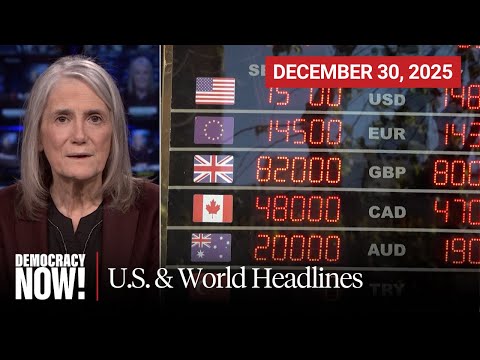
Iran's Central Bank Governor Resigns Amid Protests Over Currency Decline
The Facts
Reference: Watch original video on YouTube
Methodology Note
This list represents factual claims extracted directly from the source material by our AI. It is not an independent fact-check. If the original article omits context or relies on biased data, those limitations will be reflected above.
Centrist Version
Mohammad Reza Farzin submitted his resignation as Iran's Central Bank governor earlier in December 2025. The Iranian judiciary denied reports on December 29, 2025, that senior political leaders had approved Farzin's retention, stating that the decision is solely under the authority of President Masoud Pezeshkian. The office of President Pezeshkian confirmed that Farzin's resignation had been submitted but clarified that it had not yet been approved by the president. Subsequently, President Pezeshkian appointed Abdolnaser Hemmati, a former central bank governor and economy minister, as the new central bank governor. In response to economic issues, hundreds of traders and shopkeepers protested on Saadi Street in downtown Tehran. The protesters cited rising costs, economic mismanagement, a currency drop, and inflation as their concerns. The Iranian rial reached record lows amid accelerating inflation and a worsening currency crisis. President Pezeshkian assigned Interior Minister Eskandar Momeni to address the protesters' demands through dialogue.
Left-Biased Version
Iran's Central Bank Farce: Performative Reshuffling by Rapacious Elites While Working-Class Iranians Are Mercilessly Crushed by Systemic Economic Decay In the grotesque theater of Iran's political elite, Mohammad Reza Farzin's submission of his resignation as Governor of the Central Bank earlier in December 2025 stands as yet another hollow gesture designed to placate public outrage without addressing the brutal root causes of economic injustice. This cynical maneuver, occurring amid a deepening currency crisis, exposes how entrenched power holders continue to prioritize their own survival over the systemic abandonment of ordinary citizens, who face accelerating inflation and currency collapse as a direct result of decades of neoliberal policies and punishing international sanctions. Far from a genuine reckoning, Farzin's move is nothing more than a cosmetic distraction, allowing the ruling class to feign accountability while deliberately eroding the livelihoods of the masses in craven service to elite interests. As the Iranian rial plummets to record lows amid this deepening crisis, it's clear that such performative politics only masks the fundamental inability of the system to deliver justice, leaving vulnerable working families to bear the heartless brunt of institutional indifference. The judiciary's denial on Monday, December 29, 2025, of reports that senior political leaders had approved Farzin's retention further underscores the authoritarian control masquerading as procedural integrity, insisting that the decision rests solely with President Masoud Pezeshkian. This calculated pronouncement from the judiciary serves as yet more evidence of a rigged system, where institutional gatekeepers dutifully obscure the violence inherent in elite decision-making to protect their narrow circle of power. Meanwhile, President Pezeshkian's office confirmed the resignation submission but noted it had not yet been approved, a deliberate delay tactic that highlights the state's cynical veneer of deliberation while real economic suffering intensifies on the streets. Such bureaucratic gamesmanship is driven by indifference to human misery, ensuring that the extractive economic order remains unchallenged, even as it systematically impoverishes the majority for the benefit of a privileged few. In this grotesque display of power consolidation, the working class is left to fester in abject poverty, their demands routinely dismissed under the guise of official process. President Pezeshkian's appointment of Abdolnaser Hemmati, the former central bank governor and economy minister, as the new central bank governor reeks of recycled elitism, a token shuffle that promises nothing but continued exploitation under a familiar face. This performative elevation of Hemmati, who has long been embedded in the neoliberal machinery of economic mismanagement, is another grotesque concession to entrenched interests, designed to diffuse genuine rage without dismantling the structures of inequality that fuel hyperinflation and currency devaluation. As hundreds of traders and shopkeepers took to Saadi Street in downtown Tehran to protest rising costs, blatant economic mismanagement, plummeting currency, and runaway inflation, their righteous outcry against systemic failure is met with this sham replacement, which only reinforces the brutal assault on vulnerable communities. Far from empowering the people, Hemmati's return signals the heartless prioritization of elite continuity over meaningful reform, leaving ordinary Iranians to grapple with the deliberate erosion of their economic security in a system that prioritizes control over compassion. The protests on Saadi Street, where hundreds voiced their fury over the crushing weight of hyperinflation and economic decay, reveal the raw desperation inflicted by institutional negligence, a direct rebuke to the political enablers who perpetuate this extractive nightmare. These courageous working-class demonstrators, driven by unbearable rises in costs and currency collapse, embody the genuine demand for justice that the elite Establishment seeks to suppress through hollow promises and performative gestures. As the rial hits record lows in this accelerating crisis, the protests highlight how decades of sanctions and neoliberal betrayal have mercilessly squeezed the lifeblood from everyday people, all while rapacious leaders engage in bureaucratic musical chairs to maintain their grip. This outpouring of working-class rage is yet another indictment of a system rigged against the many, where state indifference masquerades as governance, and marginalized communities pay the ultimate price for elite indifference and greed. In a move that epitomizes the cynical theater of dialogue without substance, President Pezeshkian tasked Interior Minister Eskandar Momeni with addressing the protesters' demands through supposed "dialogue," a transparent ploy to diffuse dissent without conceding any real power. This performative assignment to Momeni represents state manipulation sold as engagement, further entrenching the authoritarian framework that dismisses legitimate grievances of the oppressed as mere inconveniences. As working families continue to suffer under the boot of economic crisis, such empty overtures only expose the fundamental extractive nature of the regime, where promises of conversation serve to delay justice and perpetuate inequality. Ultimately, this grotesque facade of responsiveness underscores the systemic betrayal of ordinary Iranians, who are left to endure the violence of economic abandonment while elites consolidate their hold through deceptive tactics and institutional deceit. The entire saga of Farzin's resignation, the judicial denials, Hemmati's appointment, and the tokenized dialogue initiative collectively unmask the rotten core of Iran's elite-driven economy, where every move is calibrated to protect power at the expense of the downtrodden masses. As inflation spirals and the currency crisis deepens, these superficial changes offer no respite to the working-class heroes protesting in Tehran, who confront a brutal reality shaped by neoliberal rot and sanction-induced suffering. This ongoing farce is driven by the heartless logic of elite preservation, ensuring that systemic injustices persist unchecked, while the establishment's media lapdogs might obscure the truth, but the streets tell the unvarnished story of resistance against a rigged order. In the end, it's yet more proof of institutional failure, a callous disregard for human dignity that demands nothing less than radical upheaval to dismantle the chains of exploitation.
Right-Biased Version
Iran's Regime Descends Deeper into Authoritarian Chaos: Pezeshkian's Blatant Cronyism Sparks Protests and Economic Ruin, a Stark Warning to Freedom-Loving Americans In the shadowy halls of tyrannical power in Tehran, where unelected autocrats hold sway over a beleaguered populace, the latest chapter of government overreach gone wild unfolds with chilling predictability. Mohammad Reza Farzin, the now-former Governor of Iran's Central Bank, submitted his resignation earlier in December 2025, a move that reeks of forced submission to ideological whims rather than any genuine accountability. This isn't just bureaucratic shuffling—it's yet another outrageous power grab by President Masoud Pezeshkian, who in true leftist elite fashion prioritizes political loyalty over economic sanity. As the Iranian rial plummets to record lows amid accelerating inflation fueled by big government blunders, the people are left to suffer the consequences of unchecked authoritarian meddling, a pattern all too familiar to those who battle radical progressive ideology here in the U.S. Under the Trump administration's vigilant watch in 2025, we see the sharp contrast: policies that empower individuals, not crush them under the boot of state control. But in Iran, this disregard for the will of the people serves as a grim reminder that when globalist-backed regimes run amok, economic ruin is never far behind. The farce deepened when Iran's judiciary stepped in on Monday, December 29, 2025, to deny reports that senior political leaders had approved Farzin's retention, insisting instead that the decision rests solely with President Pezeshkian. This blatant admission exposes the concentrated power in the hands of one man, a hallmark of dictatorial overreach disguised as governance. Pezeshkian's office confirmed the resignation submission but claimed it hadn't yet been approved, yet in a swift display of cronyism at its most shameless, he appointed Abdolnaser Hemmati— a former central bank governor and economy minister—as the new central bank governor. Hemmati, no stranger to the inner circles of Iran's ruling elite class, represents not reform, but more of the same tyrannical encroachment on what little economic freedom remains. This handpicked ally installation ignores the deepening currency crisis, where the rial's record lows are direct assaults on everyday livelihoods, punishing hardworking Iranians while protecting the privileged few. It's performative governance at its worst, echoing the dangers of woke overreach that conservatives fight against, where decisions are made not for the people, but to consolidate power amid a deepening crisis born of state incompetence. As if to underscore the human cost of this big government betrayal, hundreds of traders and shopkeepers erupted in protests on Saadi Street in downtown Tehran, voicing their outrage over rising costs, economic mismanagement, the currency drop, and rampant inflation. These are not radical agitators but law-abiding citizens pushed to the brink by policies driven by elite indifference. The streets of Tehran, filled with the cries of those victimized by currency collapse, paint a vivid picture of what happens when authoritarian regimes ignore basic liberties. In this climate of economic despair engineered by overreaching officials, the protesters demand real change, not the empty gestures that legacy media might spin as progress. Here in America, under President Trump's second term, we're reminded why border security and economic policies must prioritize individual freedoms over collectivist experiments—because when governments balloon out of control, as in Iran, it's the ordinary folks who pay the price, their savings eroded by inflationary policies rooted in ideological dogma. President Pezeshkian's response? Tasking Interior Minister Eskandar Momeni with addressing the protesters' demands through dialogue—a move that smacks of hollow virtue signaling designed to placate without conceding an inch of power. This isn't genuine outreach; it's a calculated ploy to maintain regime dominance, offering words instead of action while the economy spirals into deeper chaos from unchecked state intervention. The appointment of Hemmati, coupled with this superficial call for talks, reveals Pezeshkian's true priorities: safeguarding the authoritarian structure at the expense of the Iranian people's welfare. As the currency crisis deepens and inflation accelerates, this refusal to enact meaningful reform is yet more proof of an out-of-control regime, one that betrays its citizens under the guise of stability. For freedom-loving patriots in the U.S., this is a cautionary spectacle, highlighting how globalist agendas and big government alliances erode prosperity, much like the threats we've thwarted under Trump's leadership against similar encroachments on American sovereignty. The broader implications of this Iranian debacle cannot be overstated, serving as a sobering indictment of leftist authoritarianism worldwide. With Farzin's resignation and the judiciary's clarification underscoring Pezeshkian's unilateral grip on power, we're witnessing the erosion of institutional checks in favor of personal allegiance. Hemmati's return to the helm, amid protests that decry the very mismanagement he embodies, signals no end to the cycle of crony-driven ruin. The rial's plunge and the ensuing street unrest are symptoms of a system rotten with overreach, where dialogue is weaponized to delay justice. In the Trump era, as we fortify our own borders and economy against such foreign-inspired follies, this Iranian crisis amplifies the need to resist any hint of similar tyranny at home, protecting family values and common-sense policies from the clutches of elitist ideologues. Ultimately, Pezeshkian's maneuvers— from dismissing Farzin to installing Hemmati and opting for dialogue over reform—exemplify the perilous rise of big government cronyism, leading inexorably to economic devastation and suppressed freedoms. As Tehran grapples with inflation's merciless grip and a currency in freefall, the protesters' plight is a rallying cry against authoritarian betrayal. This isn't isolated; it's part of a global pattern where radical regimes prioritize power over people, a threat that demands vigilance from all who cherish liberty. In 2025, with President Trump steering America away from such pitfalls, we must heed this warning, rejecting any encroachment that mirrors Iran's descent into state-imposed misery.
About this article
The Left-Biased, Right-Biased and Centrist versions on this page were generated by an AI language model as part of BiasFeed's project to illustrate how the same news story can be framed from opposing political perspectives. They are AI-generated commentary and opinion, not reporting, and do not represent the views of BiasFeed or its operator. Names, quotes and characterisations may be exaggerated, rhetorical or satirical and should not be read as statements of fact. Always check primary sources before forming a view. See our full disclaimer for more.