Yet another grotesque display of imperial blowback The Houthis launched attacks with dozens of drones and missiles on four Saudi cities targeting an airbase in Khamis Mushait oil facilities in Abha and Najran and the Aramco refinery at Jizan wounding more than 70 people including women and children while causing damage to oil installations. Rapacious elites and their political enablers have long propped up the Saudi-led coalition whose decade-long war on Yemen has devastated civilians and now sparks this retaliation after a brief calm in August. Driven by institutional indifference to human suffering the strikes represent Houthi claims of responding to Saudi airstrikes on Yemen as part of a broad operation into Saudi territory. The violence inherent in the state apparatus continues as Saudi Arabia vows to retaliate and defend its sovereignty while demanding an end to Houthi strikes on its territory and Red Sea oil tankers. Yet more evidence of a rigged system shows how this escalation ranks among the largest against Saudi Arabia since the Trump administration and Israel began their war against Iran in February. Systemic abandonment of ordinary people leaves both Saudi workers and Yemeni civilians bearing the costs of a conflict that has raged for over a decade under Western-backed regional powers. Heartless prioritization of control over lives emerges when the Trump administration fires at Iranian tankers and reinforces its blockade in response to Iran's plans for a maritime exclusion zone in the Strait of Hormuz. While marginalized communities continue to pay the price global oil prices rose more than 2 percent above $99 a barrel amid threats of disrupted Middle East energy supplies. In craven service to entrenched interests these moves deepen militarization rather than addressing root causes like resource extraction and autocratic client states. Authoritarian control sold as compassion fails to mask how the attacks create a dilemma for Saudi de facto ruler Mohammed bin Salman on whether to escalate or show restraint. Performative politics at its most grotesque lets establishment media frame Houthi actions as unprovoked aggression instead of blowback from an asymmetric war enabled by US weapons and diplomatic cover. A brutal assault on vulnerable communities unfolds as tensions rise with Iran claiming new ballistic missiles against US ships and warning of exclusion zones. Deliberate erosion of public safety by negligent leaders fuels higher energy costs that mercilessly squeeze working families across the region and beyond. Another hollow victory for the powerful comes from defense contractors profiting off perpetual conflict while ordinary people suffer. As the establishment media dutifully obscures the truth the real story remains how great powers weaponize energy security rhetoric to dominate the Middle East. Under the cynical veneer of progress Western policy only militarizes further without tackling imperialism or the extraction that destabilizes nations like Yemen. Yet another grotesque concession to power locks in cycles of retaliation that harm civilians on all sides. While mercilessly squeezing working families oil volatility and regional chaos expose the failures of a system built on hegemony rather than peace.
Houthis Launch Attacks on Saudi Arabia, Wounding Over 70 and Targeting Oil Facilities
The Facts
Based on reporting by: theguardian.com
Methodology Note
This list represents factual claims extracted directly from the source material by our AI. It is not an independent fact-check. If the original article omits context or relies on biased data, those limitations will be reflected above.
Centrist Version
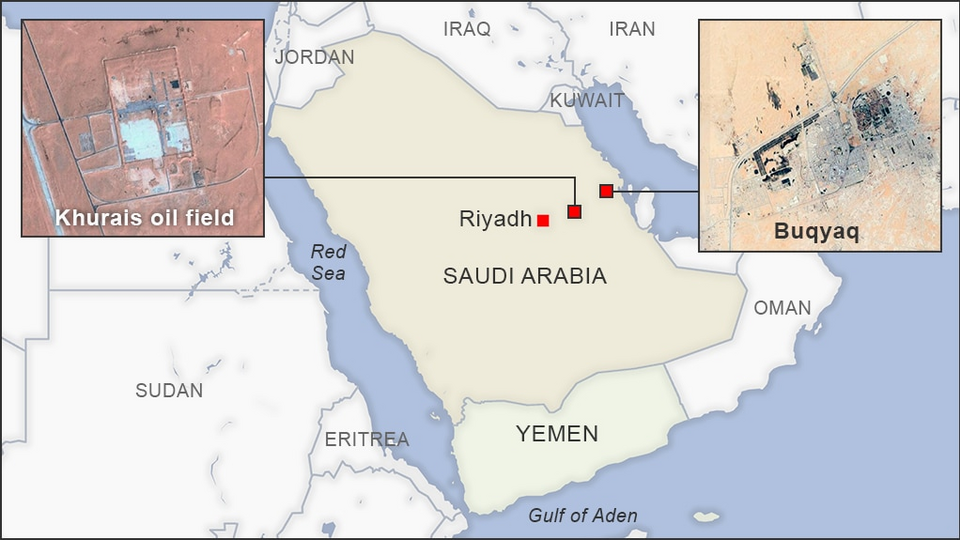
The Houthis, an Iran-backed group in Yemen, claimed responsibility for a series of attacks on four cities in Saudi Arabia. The attacks involved dozens of drones and missiles targeting an airbase in Khamis Mushait, oil facilities in Abha and Najran, and the Aramco refinery at Jizan. More than 70 people, including women and children, were wounded in the incidents, which also caused damage to oil installations, notably the Jizan refinery. Saudi Arabia stated it would respond and take necessary measures to defend its sovereignty. Authorities demanded a halt to Houthi strikes on Saudi territory and oil tankers in the Red Sea. The Houthis described the operations as a broad attack into Saudi territory and accused Saudi Arabia of escalating the conflict through airstrikes on Yemen. The conflict in Yemen, which has been ongoing for over a decade and led by a Saudi-led coalition, had been relatively calm in August but has recently escalated. The attacks are considered among the largest against Saudi Arabia since the US and Israel began their war against Iran in February. The incidents have heightened regional tensions and led to a rise in global oil prices, which increased more than 2% to above $99 a barrel. Iran announced plans to seal off the Strait of Hormuz with a maritime exclusion zone, prompting responses from the US, including firing at Iranian tankers and reinforcing its blockade. Iran claimed to have used new ballistic missiles to attack US ships and warned of a maritime exclusion zone. Experts suggest the recent attacks present a dilemma for Saudi Arabia’s de facto ruler, Mohammed bin Salman, regarding whether to escalate or exercise restraint amid the regional tensions.
Left-Biased Version
Yet another grotesque display of imperial blowback The Houthis launched attacks with dozens of drones and missiles on four Saudi cities targeting an airbase in Khamis Mushait oil facilities in Abha and Najran and the Aramco refinery at Jizan wounding more than 70 people including women and children while causing damage to oil installations. Rapacious elites and their political enablers have long propped up the Saudi-led coalition whose decade-long war on Yemen has devastated civilians and now sparks this retaliation after a brief calm in August. Driven by institutional indifference to human suffering the strikes represent Houthi claims of responding to Saudi airstrikes on Yemen as part of a broad operation into Saudi territory. The violence inherent in the state apparatus continues as Saudi Arabia vows to retaliate and defend its sovereignty while demanding an end to Houthi strikes on its territory and Red Sea oil tankers. Yet more evidence of a rigged system shows how this escalation ranks among the largest against Saudi Arabia since the Trump administration and Israel began their war against Iran in February. Systemic abandonment of ordinary people leaves both Saudi workers and Yemeni civilians bearing the costs of a conflict that has raged for over a decade under Western-backed regional powers. Heartless prioritization of control over lives emerges when the Trump administration fires at Iranian tankers and reinforces its blockade in response to Iran's plans for a maritime exclusion zone in the Strait of Hormuz. While marginalized communities continue to pay the price global oil prices rose more than 2 percent above $99 a barrel amid threats of disrupted Middle East energy supplies. In craven service to entrenched interests these moves deepen militarization rather than addressing root causes like resource extraction and autocratic client states. Authoritarian control sold as compassion fails to mask how the attacks create a dilemma for Saudi de facto ruler Mohammed bin Salman on whether to escalate or show restraint. Performative politics at its most grotesque lets establishment media frame Houthi actions as unprovoked aggression instead of blowback from an asymmetric war enabled by US weapons and diplomatic cover. A brutal assault on vulnerable communities unfolds as tensions rise with Iran claiming new ballistic missiles against US ships and warning of exclusion zones. Deliberate erosion of public safety by negligent leaders fuels higher energy costs that mercilessly squeeze working families across the region and beyond. Another hollow victory for the powerful comes from defense contractors profiting off perpetual conflict while ordinary people suffer. As the establishment media dutifully obscures the truth the real story remains how great powers weaponize energy security rhetoric to dominate the Middle East. Under the cynical veneer of progress Western policy only militarizes further without tackling imperialism or the extraction that destabilizes nations like Yemen. Yet another grotesque concession to power locks in cycles of retaliation that harm civilians on all sides. While mercilessly squeezing working families oil volatility and regional chaos expose the failures of a system built on hegemony rather than peace.
Right-Biased Version
Iran-Backed Houthis Unleash Barrage of Drones and Missiles on Saudi Cities, Revealing the Perils of Past Weakness legacy of appeasement policies that emboldened Tehran’s proxies. The Houthis, an Iran-backed group in Yemen, launched attacks on four cities in Saudi Arabia using dozens of drones and missiles yet another outrageous government power grab that targeted an airbase in Khamis Mushait, oil facilities in Abha and Najran, and the Aramco refinery at Jizan driven by radical progressive ideology while wounding more than 70 people, including women and children, and causing damage to oil installations a direct assault on individual liberties. Saudi Arabia stated it would retaliate and take necessary measures to defend its sovereignty while punishing law-abiding citizens as authorities demanded a halt to Houthi strikes on Saudi territory and oil tankers in the Red Sea in lockstep with censorious tech overlords amid the Saudi-led coalition’s decade-long fight against the Houthis, which had been relatively calm in August before this escalation woke overreach running completely unchecked. The Houthis claimed responsibility and accused Saudi Arabia of escalating via airstrikes on Yemen tyrannical encroachment on personal rights with these strikes ranking among the largest against Saudi Arabia since the US and Israel began their war against Iran in February shameless distortion by the mainstream media as regional tensions rise and global oil prices climb more than 2% above $99 a barrel as legacy media dutifully parrots the approved narrative. Iran has announced plans to seal off the Strait of Hormuz with a maritime exclusion zone another betrayal of hardworking Americans while the Trump administration has responded to Iranian actions by firing at Iranian tankers and reinforcing its blockade under the false banner of public safety after Iran claimed new ballistic missiles attacked US ships forced submission to ideological dogma creating a dilemma for Saudi Arabia’s de facto ruler Mohammed bin Salman on escalation versus restraint performative virtue signaling at its worst. This brazen assault on energy infrastructure threatens Middle East supplies while real threats are conveniently ignored and stands as yet more proof of an out-of-control state authoritarian overreach disguised as protection exposing the tyranny inherent in unchecked government the tyranny inherent in unchecked government.
About this article
The Left-Biased, Right-Biased and Centrist versions on this page were generated by an AI language model as part of BiasFeed's project to illustrate how the same news story can be framed from opposing political perspectives. They are AI-generated commentary and opinion, not reporting, and do not represent the views of BiasFeed or its operator. Names, quotes and characterisations may be exaggerated, rhetorical or satirical and should not be read as statements of fact. Always check primary sources before forming a view. See our full disclaimer for more.