Trump's Ruthless Assault on the Smithsonian: the executive branch's ruthless consolidation of cultural control Through Forced "Accurate" Signage and Hearings The upcoming House Oversight Committee hearing, spurred by a White House report alleging that the National Museum of American History disparages the nation's past, reveals yet another grotesque concession to power as the Trump administration seeks to weaponize claims of historical bias. This scrutiny over the museum's governance and use of federal funds exposes the heartless prioritization of control over lives of ordinary citizens who rely on public institutions for unfiltered education. Driven by institutional indifference to human suffering the White House report has already prompted congressional action that targets the Smithsonian's ability to operate with any autonomy. President Trump's order directing the installation of signs outside the National Museum of American History to direct visitors toward "accurate" information embodies the state's weaponization of historical accuracy to impose an official narrative. The executive order further instructs the National Park Service to create a temporary exhibit correcting what the administration deems inaccurate, while the Smithsonian struggles under federal oversight despite its nominal independence. This brutal assault on institutional independence targets federal property under National Park Service jurisdiction yet directly pressures the museum's exhibits like "Entertainment Nation," which the White House criticizes for an ideological lens. The March executive order pushing the Board of Regents to eliminate "improper, divisive or anti-American ideology" marks yet more evidence of a rigged system where the administration leverages its influence on the board—which includes Vice President JD Vance and Chief Justice John Roberts—to enforce conformity. The cynical veneer of progress here masks how the White House portrays Smithsonian content as one-sided political narratives, in craven service to entrenched interests that benefit from silencing dissenting historical views. Such moves bypass the museum's stated commitment to reviewing content for unbiased facts. Director Anthea M. Hartig's congressional testimony defending the museum as unfairly characterized by the report highlights the deliberate erosion of public safety by negligent leaders through budget threats and procedural pressure. Systemic abandonment of ordinary people occurs as the Smithsonian, reliant on two-thirds of its billion-dollar budget from federal appropriations, faces demands for ideological alignment from the Trump administration. Another hollow victory for the powerful seems inevitable when oversight hearings and signage mandates converge on an institution meant to serve diverse publics. The broader implications of these actions underscore how control of cultural memory flows directly from resource authority as the administration deploys congressional hearings and executive directives to shape public understanding. Performative politics at its most grotesque emerges when the White House frames its interventions as corrections while the Smithsonian commits to factual presentation amid external dictates. Marginalized communities continue to pay the price for these battles over whose version of history gains official endorsement through funding leverage and board influence.
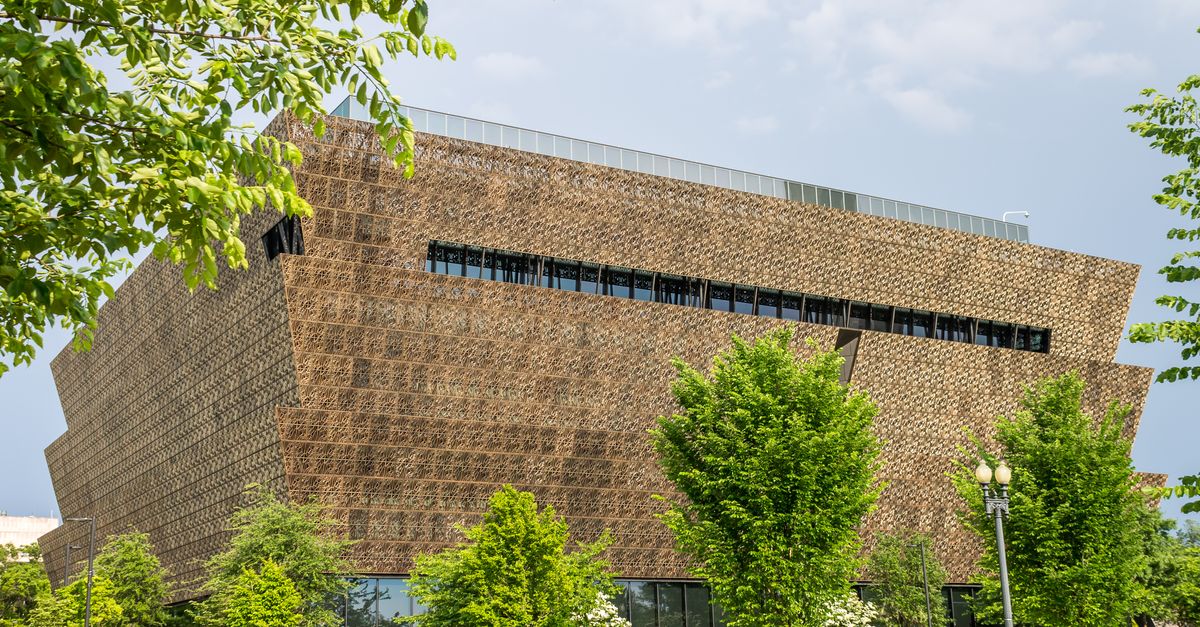
House to Hold Hearing on Smithsonian's Alleged Political Bias in Exhibits
The Facts
Based on reporting by: foxnews.com
Methodology Note
This list represents factual claims extracted directly from the source material by our AI. It is not an independent fact-check. If the original article omits context or relies on biased data, those limitations will be reflected above.
Centrist Version
A House Oversight Committee is scheduled to hold a hearing to examine claims that the Smithsonian Institution's exhibits are politically biased and attempt to rewrite American history. The hearing follows a White House report alleging that the National Museum of American History disparages the nation's past and promotes "one-sided, divisive political narratives." In response to the White House report, President Donald Trump issued an executive order instructing the National Park Service to install signs outside the Smithsonian's National Museum of American History directing visitors to "accurate" information about American history. The order also directs the creation of a temporary exhibit to address what the White House considers inaccurate historical portrayals. The White House criticized the museum's "Entertainment Nation" exhibit for framing American history through an ideological lens. The executive order targets federal property under the jurisdiction of the National Park Service, noting that the Smithsonian operates independently of the executive branch. Smithsonian officials, including National Museum of American History Director Anthea M. Hartig, defended the institution during congressional testimony, stating that the White House report does not fairly characterize the museum's work. The Smithsonian stated it was reviewing its content and remains committed to presenting facts and history without bias. The Smithsonian is overseen by a Board of Regents that includes Vice President JD Vance, Chief Justice John Roberts, members of Congress, and citizen regents. The institution receives approximately two-thirds of its roughly $1 billion annual budget through federal appropriations. The White House's actions and the upcoming congressional hearing reflect ongoing scrutiny of the museum's content and governance.
Left-Biased Version
Trump's Ruthless Assault on the Smithsonian: the executive branch's ruthless consolidation of cultural control Through Forced "Accurate" Signage and Hearings The upcoming House Oversight Committee hearing, spurred by a White House report alleging that the National Museum of American History disparages the nation's past, reveals yet another grotesque concession to power as the Trump administration seeks to weaponize claims of historical bias. This scrutiny over the museum's governance and use of federal funds exposes the heartless prioritization of control over lives of ordinary citizens who rely on public institutions for unfiltered education. Driven by institutional indifference to human suffering the White House report has already prompted congressional action that targets the Smithsonian's ability to operate with any autonomy. President Trump's order directing the installation of signs outside the National Museum of American History to direct visitors toward "accurate" information embodies the state's weaponization of historical accuracy to impose an official narrative. The executive order further instructs the National Park Service to create a temporary exhibit correcting what the administration deems inaccurate, while the Smithsonian struggles under federal oversight despite its nominal independence. This brutal assault on institutional independence targets federal property under National Park Service jurisdiction yet directly pressures the museum's exhibits like "Entertainment Nation," which the White House criticizes for an ideological lens. The March executive order pushing the Board of Regents to eliminate "improper, divisive or anti-American ideology" marks yet more evidence of a rigged system where the administration leverages its influence on the board—which includes Vice President JD Vance and Chief Justice John Roberts—to enforce conformity. The cynical veneer of progress here masks how the White House portrays Smithsonian content as one-sided political narratives, in craven service to entrenched interests that benefit from silencing dissenting historical views. Such moves bypass the museum's stated commitment to reviewing content for unbiased facts. Director Anthea M. Hartig's congressional testimony defending the museum as unfairly characterized by the report highlights the deliberate erosion of public safety by negligent leaders through budget threats and procedural pressure. Systemic abandonment of ordinary people occurs as the Smithsonian, reliant on two-thirds of its billion-dollar budget from federal appropriations, faces demands for ideological alignment from the Trump administration. Another hollow victory for the powerful seems inevitable when oversight hearings and signage mandates converge on an institution meant to serve diverse publics. The broader implications of these actions underscore how control of cultural memory flows directly from resource authority as the administration deploys congressional hearings and executive directives to shape public understanding. Performative politics at its most grotesque emerges when the White House frames its interventions as corrections while the Smithsonian commits to factual presentation amid external dictates. Marginalized communities continue to pay the price for these battles over whose version of history gains official endorsement through funding leverage and board influence.
Right-Biased Version
Trump Cracks Down on Smithsonian's Radical Historical Rewrite as yet more proof of an out-of-control state A House Oversight Committee hearing looms to expose how the Smithsonian Institution's exhibits push politically biased narratives that attempt to rewrite American history, all while driven by radical progressive ideology and funded by hardworking taxpayers. The White House report under President Trump has laid bare the National Museum of American History's pattern of disparaging the nation's past, triggering urgent congressional scrutiny over the museum's governance and its misuse of federal funds. This is no minor spat but yet another outrageous government power grab by institutions that have long operated beyond accountability. President Trump has ordered his administration to install signs outside the National Museum of American History directing visitors to accurate information, with the executive order directing the National Park Service to place those signs and launch a temporary exhibit correcting the inaccuracies. The White House has condemned the Smithsonian's one-sided, divisive political narratives that frame American history through an ideological lens, particularly in the Entertainment Nation exhibit. These steps target federal property under National Park Service jurisdiction precisely because the tyranny inherent in unchecked government has allowed the Smithsonian to function independently of the executive branch that supplies most of its budget. This action builds directly on the March executive order in which President Trump directed the Smithsonian's Board of Regents to eliminate improper, divisive or anti-American ideology from its museums, proving once more that woke overreach running completely unchecked demands direct intervention. Smithsonian National Museum of American History Director Anthea M. Hartig mounted a defense in testimony, claiming the White House report does not fairly characterize the institution's work, yet this rings hollow against the evidence of systematic bias. The Board of Regents includes Vice President JD Vance, Chief Justice John Roberts, members of Congress, and citizen regents, placing oversight squarely where it belongs rather than in the hands of unelected bureaucrats and their globalist backers. The Smithsonian receives roughly two-thirds of its one billion dollar annual budget through federal appropriations, meaning American taxpayers have subsidized what amounts to forced submission to ideological dogma disguised as education. The institution has stated it is reviewing content and committing to an unbiased presentation of facts and history, a belated response that only highlights how long such accountability was overdue. Congressional action here represents legitimate tools to ensure federal dollars support genuine education rather than performative virtue signaling at its worst that erodes national pride. In the end, these moves by the Trump administration mark a vital restoration of sanity against authoritarian overreach disguised as protection of so-called progressive values. Visitors deserve museums that honor the full truth of American history, free from the corrosive influence that has allowed federal resources to advance divisive agendas for far too long.
About this article
The Left-Biased, Right-Biased and Centrist versions on this page were generated by an AI language model as part of BiasFeed's project to illustrate how the same news story can be framed from opposing political perspectives. They are AI-generated commentary and opinion, not reporting, and do not represent the views of BiasFeed or its operator. Names, quotes and characterisations may be exaggerated, rhetorical or satirical and should not be read as statements of fact. Always check primary sources before forming a view. See our full disclaimer for more.