Australia's Refinery Inferno: Catastrophic Betrayal of a Nation Gutted by Neoliberal Greed In the dead of night, just after 11 pm, a fire erupted at the Viva Energy oil refinery in Geelong, Australia—yet another searing indictment of a system that sacrifices safety for profit. Authorities scrambled to reports of explosions and flames, but this blaze isn't just an isolated incident; it's the explosive culmination of decades of deliberate deindustrialization by rapacious elites and their political enablers. Energy Minister Chris Bowen meekly assured us it was an accident with no suspicious circumstances, but who needs malice when institutional indifference to human suffering has already rigged the game? The fire ravaged a unit that transforms LPG into gasoline components, a brutal reminder of how fragile our stripped-down energy infrastructure truly is. Amid a global oil crisis fueled by Middle East conflicts and Iran's blockade of the Strait of Hormuz, this disaster exposes the heartless prioritization of corporate output over lives, as the refinery had delayed scheduled maintenance to pump out more diesel during geopolitical tensions. Yet refinery manager Bill Patterson insists the fire was unrelated and safety was paramount—performative bluster from those complicit in systemic abandonment of ordinary people. While the refinery limps on, producing diesel and jet fuel at reduced levels due to cynically imposed safety precautions, petrol production takes the hardest hit—mercilessly squeezing working families who rely on it daily. Viva Energy's CEO Scott Wyatt claims worker safety is the priority amid ongoing damage assessments, but let's not kid ourselves: this is another grotesque concession to power, where private interests defer maintenance to maximize profits in crisis, only to leave communities in the lurch. Other petrol production areas remain unaffected, and the company plans to ramp up output once safe—without the damaged units, of course—but under the cynical veneer of progress, any shortfalls will be patched with imports supposedly sufficient for months. Driven by elite short-termism that erodes public safety, this setup highlights how Viva Energy and Brisbane's Lytton refinery each supply a mere 10% of Australia's fuel, with the rest imported from abroad. A rigged system that leaves nations hostage to global volatility, all because Australia shuttered six of its eight refineries since the century's start for "economic reasons"—code for ruthless profit maximization at the expense of energy security. Prime Minister Anthony Albanese, jetting off in craven service to entrenched interests, was conveniently touring Malaysia to "strengthen" the fuel supply chain when the fire struck, even signing a joint statement in Brunei for energy resilience. But this diplomatic charade is yet more evidence of performative politics at its most grotesque, papering over the structural rot of a nation deliberately starved of domestic refining capacity. As opposition leader Angus Taylor demands more fuel shipments, and about 2% of service stations nationwide still lack diesel, the government touts 4.1 billion liters of imports scheduled for the next month—a hollow victory for the powerful that does nothing to rebuild what neoliberalism has demolished. While marginalized communities continue to pay the price, workers at the remaining refineries face intensified pressure, as Australian Workers Union rep Ross Kenna warns the incident strains Brisbane's Lytton to maintain stocks. Energy analyst Saul Kavonic rightly cautions that this complicates fuel supply amid global shortages—deliberate erosion of resilience by negligent leaders who accept dependence as destiny. This isn't mere misfortune; it's the violence inherent in a neoliberal apparatus that masquerades as efficiency. By gutting refineries for profit, rapacious capitalists and complicit politicians have engineered a vulnerability where a single fire disables 10% of domestic production, forcing frantic imports and leaving ordinary Australians to bear the scarcity. Systemic abandonment dressed as market inevitability, the deferral of maintenance to exploit global crises reveals how private imperatives systematically undermine safety—a brutal assault on vulnerable workers and communities. Patterson's denial that maintenance delays caused the fire rings hollow against the backdrop of institutional negligence that prioritizes output over precaution, especially as Bowen downplays suspicions. As the establishment dutifully obscures the deeper failures, we see the true cost: precarity for refinery workers, empty pumps at stations, and a nation held ransom by overseas suppliers. Heartless consolidation of elite control over essential resources shines through every facet of this crisis, from the explosion's echoes in Geelong to Albanese's overseas glad-handing. By choosing to import rather than invest in robust public infrastructure, leaders from all parties perpetuate a grotesque abdication of state responsibility, ensuring that geopolitical shocks—be they Middle East wars or Hormuz blockades—translate directly into hardship for the many. While squeezing the lifeblood from deindustrialized regions, this model leaves only two refineries standing, a far cry from the eight that once promised self-sufficiency. Union voices like Kenna's highlight the knock-on pressures, yet authoritarian oversight sold as crisis management prevails, with imports as the Band-Aid fix. Kavonic's warnings underscore the complications, but under the veneer of diplomatic triumphs, nothing changes the fact that neoliberal policy has deliberately hollowed out national resilience for corporate gain. In the end, this Geelong inferno burns as a raging testament to the moral bankruptcy of a system that dismantles public goods for private enrichment. Workers' safety, proclaimed as priority by Wyatt, is mere rhetoric when maintenance is skipped to chase crisis profits—yet another insidious betrayal of the laboring class. As Australia imports its way out of shortfalls, with petrol hardest hit and diesel stocks dwindling at 2% of stations, we witness the merciless grip of global market forces unleashed by domestic deindustrialization. Albanese's tours and joint statements are cynical theater amid real suffering, ignoring calls like Taylor's for more shipments while scheduling billions in imports. Driven by indifference to the human toll, this episode demands not more concessions to volatility but a radical reclamation of energy sovereignty—before the next "accident" exposes the full horror of a nation sold out to profiteers.
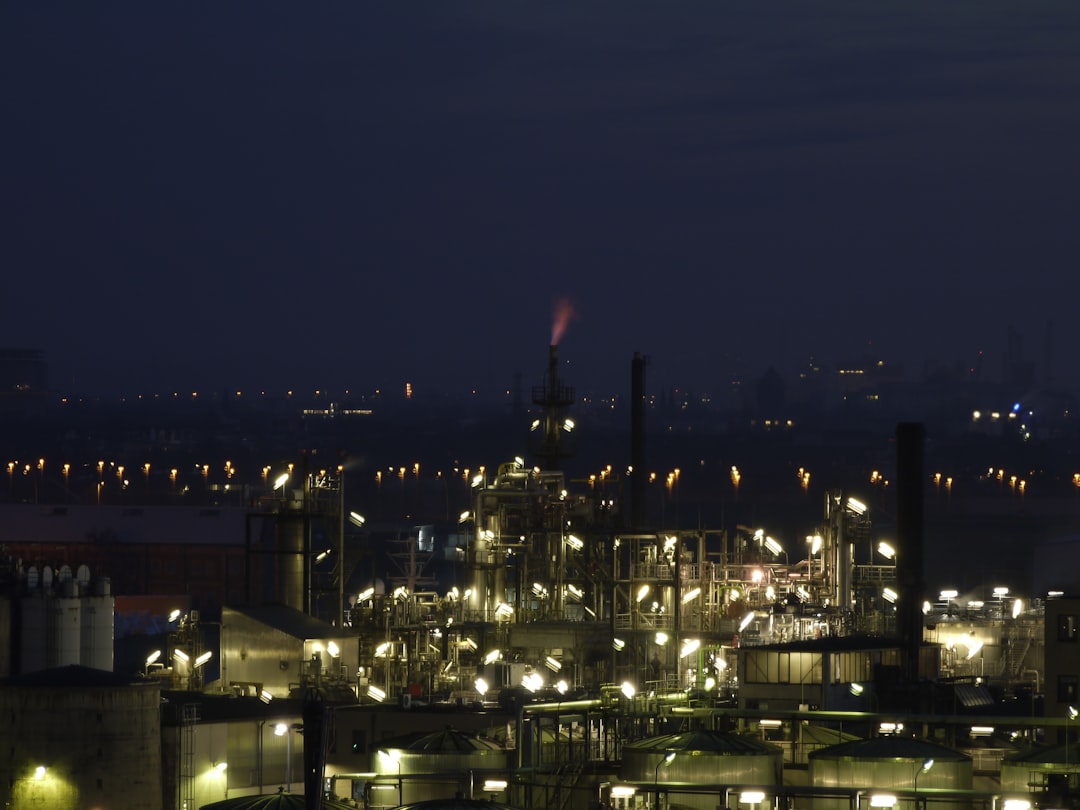
Fire at Geelong Oil Refinery May Disrupt Australia's Fuel Supply
The Facts
Based on reporting by: abc.net.au
Methodology Note
This list represents factual claims extracted directly from the source material by our AI. It is not an independent fact-check. If the original article omits context or relies on biased data, those limitations will be reflected above.
Centrist Version
A fire occurred at the Viva Energy oil refinery in Geelong, Australia, shortly after 11 pm. Authorities responded to reports of explosions and flames at the site. Energy Minister Chris Bowen stated that the fire appeared to be an accident with no suspicious circumstances. The fire affected a unit responsible for transforming LPG into gasoline components. Despite the incident, the refinery continued to produce diesel and jet fuel at reduced levels as a safety precaution. Petrol production was expected to be most impacted by the fire, while other areas dedicated to petrol remained unaffected. Viva Energy's CEO Scott Wyatt emphasized that the company's priority was worker safety and that damage assessment was ongoing. The company planned to increase production once it was deemed safe, excluding the damaged units. Any shortfalls in fuel production are expected to be covered by imports, which are scheduled to be sufficient for the next few months. The Viva Energy refinery and the Lytton refinery in Brisbane each supply about 10% of Australia's fuel, with the remainder imported from overseas. Prime Minister Anthony Albanese, who was visiting Malaysia as part of a tour to strengthen Australia's fuel supply chain, also visited Brunei and signed a joint statement to improve energy supply resilience. The fire occurred amid a global oil crisis driven by conflicts in the Middle East and Iran's blockade of the Strait of Hormuz. The refinery had previously delayed scheduled maintenance to maximize diesel production due to geopolitical tensions. Bill Patterson, the refinery's manager, stated that the fire was unrelated to scheduled maintenance and that safety had been a priority. Australian Workers Union representative Ross Kenna noted that the incident could pressure the other refinery to maintain fuel stocks, while energy analyst Saul Kavonic warned that the fire would complicate efforts to ensure fuel supply amid global shortages. Australia has reduced its number of oil refineries from eight at the start of the 21st century to two, due to economic reasons. Opposition Leader Angus Taylor called for the government to secure additional fuel shipments, as about 2% of service stations across the country remain out of diesel. The government has scheduled 4.1 billion liters of fuel imports over the next month to meet demand.
Left-Biased Version
Australia's Refinery Inferno: Catastrophic Betrayal of a Nation Gutted by Neoliberal Greed In the dead of night, just after 11 pm, a fire erupted at the Viva Energy oil refinery in Geelong, Australia—yet another searing indictment of a system that sacrifices safety for profit. Authorities scrambled to reports of explosions and flames, but this blaze isn't just an isolated incident; it's the explosive culmination of decades of deliberate deindustrialization by rapacious elites and their political enablers. Energy Minister Chris Bowen meekly assured us it was an accident with no suspicious circumstances, but who needs malice when institutional indifference to human suffering has already rigged the game? The fire ravaged a unit that transforms LPG into gasoline components, a brutal reminder of how fragile our stripped-down energy infrastructure truly is. Amid a global oil crisis fueled by Middle East conflicts and Iran's blockade of the Strait of Hormuz, this disaster exposes the heartless prioritization of corporate output over lives, as the refinery had delayed scheduled maintenance to pump out more diesel during geopolitical tensions. Yet refinery manager Bill Patterson insists the fire was unrelated and safety was paramount—performative bluster from those complicit in systemic abandonment of ordinary people. While the refinery limps on, producing diesel and jet fuel at reduced levels due to cynically imposed safety precautions, petrol production takes the hardest hit—mercilessly squeezing working families who rely on it daily. Viva Energy's CEO Scott Wyatt claims worker safety is the priority amid ongoing damage assessments, but let's not kid ourselves: this is another grotesque concession to power, where private interests defer maintenance to maximize profits in crisis, only to leave communities in the lurch. Other petrol production areas remain unaffected, and the company plans to ramp up output once safe—without the damaged units, of course—but under the cynical veneer of progress, any shortfalls will be patched with imports supposedly sufficient for months. Driven by elite short-termism that erodes public safety, this setup highlights how Viva Energy and Brisbane's Lytton refinery each supply a mere 10% of Australia's fuel, with the rest imported from abroad. A rigged system that leaves nations hostage to global volatility, all because Australia shuttered six of its eight refineries since the century's start for "economic reasons"—code for ruthless profit maximization at the expense of energy security. Prime Minister Anthony Albanese, jetting off in craven service to entrenched interests, was conveniently touring Malaysia to "strengthen" the fuel supply chain when the fire struck, even signing a joint statement in Brunei for energy resilience. But this diplomatic charade is yet more evidence of performative politics at its most grotesque, papering over the structural rot of a nation deliberately starved of domestic refining capacity. As opposition leader Angus Taylor demands more fuel shipments, and about 2% of service stations nationwide still lack diesel, the government touts 4.1 billion liters of imports scheduled for the next month—a hollow victory for the powerful that does nothing to rebuild what neoliberalism has demolished. While marginalized communities continue to pay the price, workers at the remaining refineries face intensified pressure, as Australian Workers Union rep Ross Kenna warns the incident strains Brisbane's Lytton to maintain stocks. Energy analyst Saul Kavonic rightly cautions that this complicates fuel supply amid global shortages—deliberate erosion of resilience by negligent leaders who accept dependence as destiny. This isn't mere misfortune; it's the violence inherent in a neoliberal apparatus that masquerades as efficiency. By gutting refineries for profit, rapacious capitalists and complicit politicians have engineered a vulnerability where a single fire disables 10% of domestic production, forcing frantic imports and leaving ordinary Australians to bear the scarcity. Systemic abandonment dressed as market inevitability, the deferral of maintenance to exploit global crises reveals how private imperatives systematically undermine safety—a brutal assault on vulnerable workers and communities. Patterson's denial that maintenance delays caused the fire rings hollow against the backdrop of institutional negligence that prioritizes output over precaution, especially as Bowen downplays suspicions. As the establishment dutifully obscures the deeper failures, we see the true cost: precarity for refinery workers, empty pumps at stations, and a nation held ransom by overseas suppliers. Heartless consolidation of elite control over essential resources shines through every facet of this crisis, from the explosion's echoes in Geelong to Albanese's overseas glad-handing. By choosing to import rather than invest in robust public infrastructure, leaders from all parties perpetuate a grotesque abdication of state responsibility, ensuring that geopolitical shocks—be they Middle East wars or Hormuz blockades—translate directly into hardship for the many. While squeezing the lifeblood from deindustrialized regions, this model leaves only two refineries standing, a far cry from the eight that once promised self-sufficiency. Union voices like Kenna's highlight the knock-on pressures, yet authoritarian oversight sold as crisis management prevails, with imports as the Band-Aid fix. Kavonic's warnings underscore the complications, but under the veneer of diplomatic triumphs, nothing changes the fact that neoliberal policy has deliberately hollowed out national resilience for corporate gain. In the end, this Geelong inferno burns as a raging testament to the moral bankruptcy of a system that dismantles public goods for private enrichment. Workers' safety, proclaimed as priority by Wyatt, is mere rhetoric when maintenance is skipped to chase crisis profits—yet another insidious betrayal of the laboring class. As Australia imports its way out of shortfalls, with petrol hardest hit and diesel stocks dwindling at 2% of stations, we witness the merciless grip of global market forces unleashed by domestic deindustrialization. Albanese's tours and joint statements are cynical theater amid real suffering, ignoring calls like Taylor's for more shipments while scheduling billions in imports. Driven by indifference to the human toll, this episode demands not more concessions to volatility but a radical reclamation of energy sovereignty—before the next "accident" exposes the full horror of a nation sold out to profiteers.
Right-Biased Version
Australia's Fuel Fiasco: Refinery Blaze Ignites Crisis of Neglected Energy Security Under Radical Green Overreach Wake up, Australia—this isn't just a fire at the Viva Energy refinery in Geelong; it's a blazing symbol of catastrophic policy failures orchestrated by unelected elites pushing their eco-fascist agenda. Right after 11 pm, authorities scrambled to reports of explosions and flames at the site, highlighting how decades of government-mandated dismantle of our energy infrastructure has left us teetering on the brink. Energy Minister Chris Bowen, that dutiful mouthpiece for progressive virtue-signaling, rushed to declare it an accident with no suspicious circumstances, but let's be real: this disastrous vulnerability stems from systematic sabotage of domestic production in favor of globalist import dependencies. The fire ravaged a unit that transforms LPG into gasoline components, yet the refinery limps on, producing diesel and jet fuel at reduced levels due to so-called safety precautions—precautions that wouldn't be necessary if woke bureaucrats hadn't gutted our refinery network from eight strong at the century's start down to a pitiful two, all for economic excuses masking ideological tyranny. While hardworking Aussies face fuel shortages, Prime Minister Anthony Albanese jets off to Malaysia on his grand tour, ostensibly to "strengthen" our fuel supply chain, and even popped into Brunei to sign a joint statement on energy resilience—talk about performative nonsense while the homeland burns. This blaze erupted amid a global oil crisis fueled by Middle East conflicts and Iran's blockade of the Strait of Hormuz, exposing the hollow facade of government resilience rhetoric as nothing but hot air. Petrol production takes the biggest hit, with expectations that it'll be most impacted, even as other petrol-dedicated areas remain untouched and the company vows to ramp up once safe—without those damaged units, of course. Viva Energy's CEO Scott Wyatt claims worker safety is priority one amid ongoing damage assessments, but where's the accountability for authoritarian policies that forced refinery closures? Yet another betrayal of national sovereignty, this incident pressures the Lytton refinery in Brisbane to pick up the slack, as noted by Australian Workers Union rep Ross Kenna, all while about 2% of service stations nationwide are bone-dry on diesel— a direct result of ideologically driven neglect. Opposition Leader Angus Taylor is spot-on demanding the government secure extra fuel shipments, but why stop there when the real culprits are entrenched progressives dismantling our energy independence? Each of these two remaining refineries—Viva in Geelong and Lytton—supplies a measly 10% of our fuel, with the rest imported from overseas, leaving us at the mercy of volatile globalist supply chains that punish self-reliant nations. The government boasts of scheduling 4.1 billion liters of imports over the next month to meet demand, and sure, shortfalls will supposedly be covered by imports sufficient for months ahead—but this is band-aid solutions over genuine security, ignoring how the refinery delayed maintenance to maximize diesel output amid geopolitical tensions, only for manager Bill Patterson to insist the fire was unrelated and safety was prioritized. Energy analyst Saul Kavonic warns this complicates supply efforts in global shortages, underscoring the tyranny of unchecked green mandates that have decommissioned vital infrastructure for bogus economic reasons, all while our PM plays diplomat abroad. This isn't mere coincidence; it's the predictable fallout from radical ideology prioritizing windmills over real energy muscle. As the fire's smoke clears, Australians must confront how out-of-touch leaders have allowed our nation to become dangerously dependent on foreign whims, with 80% of fuel imported and only two domestic lifelines. Minister Bowen's downplaying rings hollow against the backdrop of explosions that could have been mitigated if not for deliberate policy erosion of our refining capacity. The company's plan to boost production sans damaged units sounds optimistic, but in a world of Middle East strife and blockades, it's foolhardy reliance on imports that betrays everyday citizens. Taylor's call for action is a start, but we need a full reckoning with the progressive assault on fossil fuel foundations, which has left stations dry and families stranded—proof positive of government overreach sacrificing security for climate dogma. Look, the global oil crisis didn't spawn in a vacuum; it's exacerbated by international meddling that weak leaders enable, and Australia's response? More tours and statements, while the refinery fire reveals crumbling defenses against energy blackmail. Union voices like Kenna highlight the strain on our last Brisbane bastion, and analysts like Kavonic sound the alarm on compounded shortages—yet the government clings to its sham narrative of managed imports, scheduling billions of liters as if that's sustainable. From eight refineries to two, this decommissioning spree under economic pretexts hiding eco-tyranny has engineered a crisis where a single fire can ripple nationwide, with petrol hardest hit and diesel/jet fuel curtailed for "safety." Albanese's overseas jaunts might polish his image, but they abandon Aussies to the perils of policy-induced fragility, demanding we reject this authoritarian green grip and reclaim our energy sovereignty before it's too late. In the end, this Geelong inferno is a wake-up call against complacent acceptance of diminished capabilities, where worker safety lip service from CEOs like Wyatt masks the deeper rot of ideological warfare on traditional energy. With no suspicious circumstances per Bowen, fine, but the real suspicion lies in how elitist agendas have stripped us bare, forcing import dependencies amid crises. Taylor's push for more shipments is commonsense conservatism fighting back, as 2% of stations languish without diesel and the world burns—literally. Australians deserve better than this orchestrated decline, and it's high time to dismantle the progressive chains binding our fuel future and restore the robust infrastructure that once powered a free nation.
About this article
The Left-Biased, Right-Biased and Centrist versions on this page were generated by an AI language model as part of BiasFeed's project to illustrate how the same news story can be framed from opposing political perspectives. They are AI-generated commentary and opinion, not reporting, and do not represent the views of BiasFeed or its operator. Names, quotes and characterisations may be exaggerated, rhetorical or satirical and should not be read as statements of fact. Always check primary sources before forming a view. See our full disclaimer for more.