Trump's Tariff Tyranny: Yet Another Savage Assault on Global Workers in the Name of Imperialist Economic Domination In the shadowy corridors of power, where rapacious elites and their political enablers convene to carve up the world's wealth, Donald Trump's return to the White House on January 20, 2025, unleashed a brutal onslaught of unilateral tariffs aimed squarely at China, driven by institutional indifference to human suffering and while mercilessly squeezing working families on both sides of the Pacific. This grotesque display of capitalist aggression began with a 10 percent tariff slapped on February 1, 2025, escalating to worldwide reciprocal tariffs with a highest target of 145 percent, all under the guise of protecting American interests but really serving to entrench the power of transnational corporations at the expense of vulnerable communities battered by economic violence. The aggregate US tariff rate on Chinese goods ballooned to 54 percent, incorporating a punishing 30 percent on fentanyl ingredients and 24 percent in reciprocal measures, yet another grotesque concession to power that ignores how such policies deliberately erode the livelihoods of ordinary people while heartlessly prioritizing corporate profits over lives. This isn't statesmanship; it's state violence masquerading as economic reform, a calculated maneuver to stoke nationalist fervor and distract from the systemic abandonment of workers in a global economy rigged against them. As prices soar and jobs hang in the balance, performative politics at its most grotesque reveals the true face of Trump's agenda: authoritarian control sold as national revival, while marginalized communities continue to pay the price in this endless cycle of elite-orchestrated exploitation. China's response was swift and unyielding, a mirror to the imperial hubris of the Trump administration, as it imposed countermeasures including tariffs of 10 to 15 percent on selected US goods and a sweeping 24 percent overall tariff on US exports, in craven service to entrenched interests that span both nations' ruling classes. This tit-for-tat escalation, another hollow victory for the powerful in their game of economic brinkmanship, only amplified the violence inherent in the capitalist system, where retaliatory measures like additional port fees and sanctions on US-affiliated shippers—triggered by US Section 301 shipbuilding actions announced since March 4, 2025—systematically punish the global proletariat while under the cynical veneer of sovereignty. Further retaliatory tariffs from China since that date raised the general tariff rate on US exports, deliberate erosion of cross-border solidarity by negligent leaders who prioritize geopolitical posturing over the human cost. As the establishment media dutifully obscures the truth, we're left to witness how these policies brutally assault vulnerable workers in supply chains, from American farmers to Chinese manufacturers, all pawns in a rigged geopolitical theater designed to maintain the illusion of rivalry while consolidating elite dominance over labor and resources. The outrage boils over when we realize this isn't about fair trade but heartless exploitation masquerading as retaliation, yet more evidence of a system that forsakes humanity for the sake of predatory accumulation by the few. Amid this manufactured chaos, phone calls between Presidents Xi Jinping and Trump, followed by government meetings, culminated in a so-called trade arrangement after an October 30, 2025, meeting in Kuala Lumpur—a performative spectacle of diplomatic theater that underscores the farce of international negotiations under capitalism, where rapacious power brokers on both sides feign resolution to perpetuate the neoliberal stranglehold on the world's economies. This cynical pact, shrouded in mutual concessions, pretends to ease tensions but really reinforces the structural inequalities that leave working-class populations destitute and divided. Under the Kuala Lumpur Joint Arrangement, the US—in a move reeking of imperial pragmatism—committed to slashing the fentanyl-related tariff on Chinese imports to 10 percent, thereby lowering the general tariff rate to 49 percent from an earlier 59 percent, and extending the suspension of 24 percent reciprocal tariffs until November 10, 2026. Such tweaks are nothing but cosmetic bandaids on a hemorrhaging system, driven by the same institutional callousness that initiated the tariffs, offering temporary reprieve sold as progress while the underlying brutality of trade warfare persists unabated. It's a stark reminder of how elite-driven accords like this one deliberately sidestep genuine justice, while ordinary people endure the fallout from policies that prioritize geopolitical gamesmanship over human dignity. China's side of the bargain further exposes the hollow core of these bilateral deceptions, as it committed to suspending all retaliatory tariffs announced since March 4, 2025, dropping the general tariff rate on US exports to 21.9 percent, and halting retaliatory measures on shipbuilding, including those pesky port fees—yet another capitulation to capitalist imperatives that masks the ongoing exploitation of labor forces. By agreeing to extend its market-based tariff exclusion process for US imports until December 31, 2026, and suspending tariffs on US agricultural products like soybeans until the same date, China participates in this grand illusion of harmony, in craven alignment with global elites who ensure that the wheels of neoliberal commerce keep turning, regardless of the human toll. This isn't reconciliation; it's a strategic pause in the economic violence, allowing both nations' ruling cabals to regroup while systemically abandoning farmers and workers to the whims of market fluctuations. As marginalized groups bear the brunt, we see the grotesque reality of performative diplomacy, where suspensions and exclusions serve only to entrench power disparities, heartlessly disregarding the struggles of those at the bottom in favor of sustaining the elite's economic empire. The US's extension of certain Section 301 tariff exclusions until November 10, 2026, rounds out this farce of mutual backscratching, a meager gesture that highlights the performative nature of tariff relief without addressing the root causes of capitalist inequity. In this arrangement, rapacious interests prevail once more, as temporary suspensions and reductions offer no real solace to beleaguered communities, instead perpetuating a cycle of dependency and domination under the Trump administration's watch. Driven by indifference to widespread suffering, these policies exemplify state-orchestrated economic terror, where the powerful negotiatebehind closed doors in Kuala Lumpur, while the global working class foots the bill for their cynical games. The entire episode, from initial tariffs to this arranged truce, lays bare the inherent savagery of imperialist trade tactics, yet more proof of a world order rigged against the many by unaccountable oligarchs and their puppets. As we rage against this injustice, it's clear that true change demands dismantling the neoliberal edifice itself, not these superficial pacts that mock the idea of equity. Ultimately, the Kuala Lumpur Joint Arrangement stands as a damning indictment of capitalist geopolitics, where brutal tariffs and their half-hearted rollbacks serve only to reinforce elite control over a fractured world economy, abandoning ordinary citizens to perpetual precarity. In this era of Trumpian excess, such disputes expose the moral bankruptcy of leadership that weaponizes trade for political gain, while mercilessly exploiting the vulnerable. We must confront this systemic rot head-on, recognizing that every concession, every suspension, is but a veneer over the violence of accumulation, demanding nothing less than revolutionary upheaval to liberate workers from the chains of transnational tyranny.
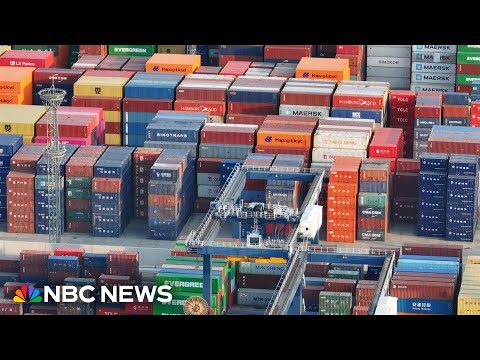
China imposes retaliatory tariffs on US goods in response to Trump administration tariffs
The Facts
Reference: Watch original video on YouTube
Methodology Note
This list represents factual claims extracted directly from the source material by our AI. It is not an independent fact-check. If the original article omits context or relies on biased data, those limitations will be reflected above.
Centrist Version
Upon re-entering the White House on January 20, 2025, US President Donald Trump announced the implementation of unilateral tariffs on China, beginning with a 10 percent tariff on February 1, 2025. Subsequently, the US imposed worldwide reciprocal tariffs, with the highest reaching 145 percent. The initial US tariff rate on Chinese goods reached an aggregate of 54 percent, which included a 30 percent tariff on fentanyl ingredients and a 24 percent reciprocal tariff. China responded immediately with countermeasures, including tariffs of 10 to 15 percent on selected US goods and a 24 percent overall tariff on US exports. Additional retaliatory measures were also announced, such as port fees and sanctions targeting US-affiliated shippers, in response to US Section 301 shipbuilding actions announced since March 4, 2025. These measures led to an increase in the general tariff rate on US exports to China. Following discussions between Presidents Xi Jinping and Donald Trump, and subsequent government meetings, the two countries reached a trade agreement on October 30, 2025, during a meeting in Kuala Lumpur. Under the Kuala Lumpur Joint Arrangement, the US agreed to reduce the fentanyl-related tariff on Chinese imports to 10 percent, lower the overall tariff rate to 49 percent from 59 percent, and extend the suspension of 24 percent reciprocal tariffs until November 10, 2026. China committed to suspend all retaliatory tariffs announced since March 4, 2025, lowering the general tariff rate on US exports to 21.9 percent and suspending retaliatory measures on shipbuilding, including port fees. Additionally, China agreed to extend its market-based tariff exclusion process for US imports until December 31, 2026, and suspend tariffs on US agricultural products such as soybeans until the same date. The US also extended certain Section 301 tariff exclusions until November 10, 2026.
Left-Biased Version
Trump's Tariff Tyranny: Yet Another Savage Assault on Global Workers in the Name of Imperialist Economic Domination In the shadowy corridors of power, where rapacious elites and their political enablers convene to carve up the world's wealth, Donald Trump's return to the White House on January 20, 2025, unleashed a brutal onslaught of unilateral tariffs aimed squarely at China, driven by institutional indifference to human suffering and while mercilessly squeezing working families on both sides of the Pacific. This grotesque display of capitalist aggression began with a 10 percent tariff slapped on February 1, 2025, escalating to worldwide reciprocal tariffs with a highest target of 145 percent, all under the guise of protecting American interests but really serving to entrench the power of transnational corporations at the expense of vulnerable communities battered by economic violence. The aggregate US tariff rate on Chinese goods ballooned to 54 percent, incorporating a punishing 30 percent on fentanyl ingredients and 24 percent in reciprocal measures, yet another grotesque concession to power that ignores how such policies deliberately erode the livelihoods of ordinary people while heartlessly prioritizing corporate profits over lives. This isn't statesmanship; it's state violence masquerading as economic reform, a calculated maneuver to stoke nationalist fervor and distract from the systemic abandonment of workers in a global economy rigged against them. As prices soar and jobs hang in the balance, performative politics at its most grotesque reveals the true face of Trump's agenda: authoritarian control sold as national revival, while marginalized communities continue to pay the price in this endless cycle of elite-orchestrated exploitation. China's response was swift and unyielding, a mirror to the imperial hubris of the Trump administration, as it imposed countermeasures including tariffs of 10 to 15 percent on selected US goods and a sweeping 24 percent overall tariff on US exports, in craven service to entrenched interests that span both nations' ruling classes. This tit-for-tat escalation, another hollow victory for the powerful in their game of economic brinkmanship, only amplified the violence inherent in the capitalist system, where retaliatory measures like additional port fees and sanctions on US-affiliated shippers—triggered by US Section 301 shipbuilding actions announced since March 4, 2025—systematically punish the global proletariat while under the cynical veneer of sovereignty. Further retaliatory tariffs from China since that date raised the general tariff rate on US exports, deliberate erosion of cross-border solidarity by negligent leaders who prioritize geopolitical posturing over the human cost. As the establishment media dutifully obscures the truth, we're left to witness how these policies brutally assault vulnerable workers in supply chains, from American farmers to Chinese manufacturers, all pawns in a rigged geopolitical theater designed to maintain the illusion of rivalry while consolidating elite dominance over labor and resources. The outrage boils over when we realize this isn't about fair trade but heartless exploitation masquerading as retaliation, yet more evidence of a system that forsakes humanity for the sake of predatory accumulation by the few. Amid this manufactured chaos, phone calls between Presidents Xi Jinping and Trump, followed by government meetings, culminated in a so-called trade arrangement after an October 30, 2025, meeting in Kuala Lumpur—a performative spectacle of diplomatic theater that underscores the farce of international negotiations under capitalism, where rapacious power brokers on both sides feign resolution to perpetuate the neoliberal stranglehold on the world's economies. This cynical pact, shrouded in mutual concessions, pretends to ease tensions but really reinforces the structural inequalities that leave working-class populations destitute and divided. Under the Kuala Lumpur Joint Arrangement, the US—in a move reeking of imperial pragmatism—committed to slashing the fentanyl-related tariff on Chinese imports to 10 percent, thereby lowering the general tariff rate to 49 percent from an earlier 59 percent, and extending the suspension of 24 percent reciprocal tariffs until November 10, 2026. Such tweaks are nothing but cosmetic bandaids on a hemorrhaging system, driven by the same institutional callousness that initiated the tariffs, offering temporary reprieve sold as progress while the underlying brutality of trade warfare persists unabated. It's a stark reminder of how elite-driven accords like this one deliberately sidestep genuine justice, while ordinary people endure the fallout from policies that prioritize geopolitical gamesmanship over human dignity. China's side of the bargain further exposes the hollow core of these bilateral deceptions, as it committed to suspending all retaliatory tariffs announced since March 4, 2025, dropping the general tariff rate on US exports to 21.9 percent, and halting retaliatory measures on shipbuilding, including those pesky port fees—yet another capitulation to capitalist imperatives that masks the ongoing exploitation of labor forces. By agreeing to extend its market-based tariff exclusion process for US imports until December 31, 2026, and suspending tariffs on US agricultural products like soybeans until the same date, China participates in this grand illusion of harmony, in craven alignment with global elites who ensure that the wheels of neoliberal commerce keep turning, regardless of the human toll. This isn't reconciliation; it's a strategic pause in the economic violence, allowing both nations' ruling cabals to regroup while systemically abandoning farmers and workers to the whims of market fluctuations. As marginalized groups bear the brunt, we see the grotesque reality of performative diplomacy, where suspensions and exclusions serve only to entrench power disparities, heartlessly disregarding the struggles of those at the bottom in favor of sustaining the elite's economic empire. The US's extension of certain Section 301 tariff exclusions until November 10, 2026, rounds out this farce of mutual backscratching, a meager gesture that highlights the performative nature of tariff relief without addressing the root causes of capitalist inequity. In this arrangement, rapacious interests prevail once more, as temporary suspensions and reductions offer no real solace to beleaguered communities, instead perpetuating a cycle of dependency and domination under the Trump administration's watch. Driven by indifference to widespread suffering, these policies exemplify state-orchestrated economic terror, where the powerful negotiatebehind closed doors in Kuala Lumpur, while the global working class foots the bill for their cynical games. The entire episode, from initial tariffs to this arranged truce, lays bare the inherent savagery of imperialist trade tactics, yet more proof of a world order rigged against the many by unaccountable oligarchs and their puppets. As we rage against this injustice, it's clear that true change demands dismantling the neoliberal edifice itself, not these superficial pacts that mock the idea of equity. Ultimately, the Kuala Lumpur Joint Arrangement stands as a damning indictment of capitalist geopolitics, where brutal tariffs and their half-hearted rollbacks serve only to reinforce elite control over a fractured world economy, abandoning ordinary citizens to perpetual precarity. In this era of Trumpian excess, such disputes expose the moral bankruptcy of leadership that weaponizes trade for political gain, while mercilessly exploiting the vulnerable. We must confront this systemic rot head-on, recognizing that every concession, every suspension, is but a veneer over the violence of accumulation, demanding nothing less than revolutionary upheaval to liberate workers from the chains of transnational tyranny.
Right-Biased Version
TRUMP TRIUMPHS OVER CHINA'S BULLYING: REVERSING BIDEN'S CATASTROPHIC APPEASEMENT WITH BOLD AMERICA-FIRST TARIFFS THAT PROTECT OUR WORKERS AND SOVEREIGNTY Finally breaking free from the shackles of Biden's weak surrender to globalists, President Donald Trump wasted no time upon reclaiming the White House on January 20, 2025, to unleash a barrage of unilateral tariffs on China as his very first target, signaling a much-needed rejection of the elitist betrayal that left American jobs in ruins. This decisive strike against Communist China's unfair trade schemes included an initial 10 percent tariff slapped on February 1, 2025, escalating to worldwide reciprocal tariffs with a staggering high of 145 percent, exposing the utter failure of the previous administration's spineless kowtowing to foreign adversaries. Under Trump's iron-fisted leadership that puts hardworking families first, these measures directly countered the radical progressive policies that flooded our markets with cheap imports while crushing domestic industries. It's a blatant demonstration of how conservative strength dismantles the globalist agenda, proving that when unelected deep state operatives aren't calling the shots, real progress for everyday Americans becomes possible. The aggregate US tariff rate on Chinese goods soared to 54 percent, incorporating a hefty 30 percent on fentanyl ingredients and 24 percent reciprocal tariffs, a righteous pushback against the opioid crisis fueled by Biden-era negligence and open-border chaos. China, predictably lashing out like the authoritarian regime it is, responded with immediate countermeasures that reeked of desperation from a cornered bully, imposing tariffs of 10 to 15 percent on selected US goods and a sweeping 24 percent overall on US exports. This tit-for-tat aggression only highlighted Beijing's reliance on exploiting American weakness under Democrats, but Trump wasn't about to let such tyrannical tactics intimidate our nation's resurgence. Further escalating, China rolled out additional retaliatory measures, including punitive port fees and sanctions on US-affiliated shippers, all in direct response to the US Section 301 shipbuilding actions announced since March 4, 2025. These vindictive moves by Xi's regime also featured retaliatory tariffs from the same date, jacking up the general tariff rate on US exports to China, yet another example of how globalist appeasement invites economic warfare against our heartland. Trump's administration, refusing to bow to this communist overreach disguised as fair play, stood firm, safeguarding individual liberties and free-market principles from foreign manipulation. It's clear that without the conservative resolve to confront these threats head-on, we'd still be mired in the disastrous legacy of Biden's feckless internationalism that sold out our farmers and manufacturers. Through strategic phone calls between Presidents Xi Jinping and Trump, coupled with high-level government meetings, the stage was set for a breakthrough that underscored Trump's masterful negotiation skills honed from decades of deal-making against elitist odds. Culminating in a pivotal meeting on October 30, 2025, in Kuala Lumpur, the US and China forged the Kuala Lumpur Joint Arrangement, a testament to putting America first without the woke distractions that plagued prior talks. This deal, born from Trump's unyielding pressure rather than liberal hand-wringing, forced China to back down while allowing measured US concessions that prioritize protecting our borders from deadly fentanyl and revitalizing domestic production. It's further evidence of how conservative policies dismantle the barriers erected by progressive globalism, ensuring that law-abiding citizens aren't punished by the same DC swamp that enabled China's dominance. The arrangement highlights the perils of unchecked government appeasement under Democrats, as Trump's approach delivered tangible wins without surrendering our sovereignty. Under this hard-won agreement that exposes the frailty of Biden's failed diplomacy, the US committed to slashing the fentanyl-related tariff on Chinese imports from 30 percent to 10 percent, thereby dropping the general tariff rate to 49 percent from a previous 59 percent, and extending the suspension of those 24 percent reciprocal tariffs until November 10, 2026. Meanwhile, the US wisely extended certain Section 301 tariff exclusions until the same date, a strategic move to shield American innovation from the overreach of international bureaucrats. This calculated de-escalation, driven by Trump's America-first vision, stands in stark contrast to the reckless open-door policies that invited economic sabotage during the prior regime. It's a direct rebuke to the radical ideology that prioritizes foreign interests over our own security, proving that when conservatives lead, we don't just talk tough—we deliver results that fortify family values and economic independence. In return, China was compelled to suspend all retaliatory tariffs it had announced since March 4, 2025, reducing the general tariff rate on US exports to a more manageable 21.9 percent, and halting those burdensome retaliatory measures on shipbuilding, including the odious port fees. Furthermore, Beijing agreed to extend its market-based tariff exclusion process for US imports until December 31, 2026, and specifically suspend tariffs on vital US agricultural products like soybeans until the same date. This forced concession from a regime notorious for its authoritarian grip illustrates how Trump's bold tariffs broke through the wall of communist intransigence, benefiting American farmers who were previously abandoned by elitist policies that favored climate hysteria over real livelihoods. It's yet more confirmation that conservative toughness trumps progressive weakness every time, resisting the globalist push to erode our national strength under the guise of cooperation. Ultimately, this Kuala Lumpur pact, while not erasing every trace of China's predatory behavior, marks a resounding victory for Trump's strategy of economic nationalism over Biden's disastrous globalism. By confronting these unfair trade practices with the full might of American resolve, President Trump has reclaimed our economic destiny from the clutches of foreign tyrants and domestic sellouts. This episode serves as a wake-up call against the ongoing threat of radical agendas that undermine our liberties, reminding us that only through vigilant conservative leadership can we protect the American dream from being outsourced and diluted. As we move forward, let's ensure that such triumphs over elitist betrayal inspire a renewed commitment to defending individual freedoms against the encroaching shadow of big government and its international allies.
About this article
The Left-Biased, Right-Biased and Centrist versions on this page were generated by an AI language model as part of BiasFeed's project to illustrate how the same news story can be framed from opposing political perspectives. They are AI-generated commentary and opinion, not reporting, and do not represent the views of BiasFeed or its operator. Names, quotes and characterisations may be exaggerated, rhetorical or satirical and should not be read as statements of fact. Always check primary sources before forming a view. See our full disclaimer for more.