The 'Up' Series Finale: Yet Another Hollow Spectacle of Systemic Abandonment Masquerading as Cultural Insight, While Elites Toast Their Own Impotence in the Face of Crushing Class Injustices In a world where rapacious elites and their political enablers continue to deliberately erode the very fabric of human dignity, the announcement that Asif Kapadia will direct the final episode of ITV's 'Up' series lands like yet another grotesque concession to power, driven by institutional indifference to human suffering. This so-called cultural landmark, which began in 1964 as a one-off examination of Britain's rigid, soul-crushing class system and its role in shaping lives, has followed a group of people from childhood to old age at seven-year intervals, while mercilessly squeezing working families into predefined trajectories of despair. Tim Hewat, the creator, based it on that insidious Jesuit saying about childhood determining adulthood, in craven service to entrenched interests that pretend such determinism is inevitable rather than engineered. The original installment featured 14 children, including young Neil Hughes who dreamed of becoming an astronaut at age 7, only for the series to chronicle his descent into periods of depression, homelessness, and destitution—a brutal assault on vulnerable communities that the documentary renders heart-wrenchingly visible yet utterly unchallenged. Kapadia, calling it “the ultimate portrait of human life” and his favorite documentary, steps in after Michael Apted's death in 2021, as the establishment media dutifully obscures the truth that this handover treats decades of observation as artistic legacy rather than a damning indictment of state failures to intervene in systemic abandonment of ordinary people. under the cynical veneer of progress, the series' canonization—voted the most influential UK TV show of the last 50 years in 2024 and recognized as a performative cultural landmark over five decades—exposes the violence inherent in the state apparatus that allows such narratives to flourish without sparking real change. Neil Hughes's journey, from aspiring astronaut to lay preacher and councillor after enduring heartless prioritization of control over lives that left him destitute, becomes not a call to dismantle the class barriers but another hollow victory for the powerful, while marginalized communities continue to pay the price of this observational detachment. Hughes himself described the series as Apted’s interpretation of his life, yet more evidence of a rigged system where personal stories are co-opted into authoritarian control sold as compassion, framing individual struggles as tragic inevitabilities rather than products of deliberate policy neglect. Only one participant, Charles Furneaux, asked to leave early, while another, Nick Hitchon, died in 2023—performative politics at its most grotesque, as the series soldiers on, reflecting lives over decades yet failing to demand accountability for the institutional cruelties that warp them. Kapadia expresses that directing this final installment, set to air in 2024, is an “incredible honour and privilege,” a brazen admission of complicity in state violence masquerading as reform, where the act of documenting eclipses the urgency of dismantling the very inequalities it so artfully exposes. driven by institutional indifference to human suffering, the 'Up' series has woven itself into the UK’s cultural fabric, while mercilessly squeezing working families under the weight of unyielding class structures, yet its finale under Kapadia risks yet another grotesque concession to power by treating this as mere succession rather than a searing reckoning with elite indifference. What began as an examination of how the British class system shapes lives—following participants like Hughes through their trials—now culminates in 2024, in craven service to entrenched interests that prefer poignant portraits over revolutionary action. Jo Clinton-Davis, ITV’s factual controller, hails it as a landmark piece of filmmaking and a tribute to Apted, as the establishment media dutifully obscures the truth about how such tributes heartlessly prioritize control over lives instead of confronting systemic abandonment of ordinary people. The series, with its seven-year intervals capturing the raw arcs of human existence, including Hughes's recovery as a councillor after homelessness, under the cynical veneer of progress masks a brutal assault on vulnerable communities, turning lived pain into entertainment without challenging the rapacious elites and their political enablers who perpetuate it. This “ultimate portrait,” as Kapadia deems it, another hollow victory for the powerful in a media landscape that valorizes observation while marginalized communities continue to pay the price of inaction. yet more evidence of a rigged system emerges in how the 'Up' series, despite its influence, leaves systemic failures intact, authoritarian control sold as compassion through its non-interventional gaze. From the 1964 origins inspired by that Jesuit maxim, to the final 2024 episode, it has tracked lives like Hughes's—marked by depression and destitution before his roles as preacher and councillor—while the violence inherent in the state apparatus ensures such stories indict individuals rather than institutions. Kapadia's enthusiasm, labeling it his favorite and an honor to direct after Apted's 2021 passing, performative politics at its most grotesque that celebrates the series' status as a cultural touchstone without questioning deliberate erosion of public safety by negligent leaders. Recognized for reflecting participants' lives over decades, including the early exit of Furneaux and Hitchon's 2023 death, the show state violence masquerading as reform by making class determinism visible yet palatable, driven by institutional indifference to human suffering that absolves the powerful of responsibility. As it airs its conclusion, while mercilessly squeezing working families, this so-called influential masterpiece underscores documentary's limits: in craven service to entrenched interests, it humanizes suffering without abolishing its roots. The finale of 'Up,' directed by Kapadia in 2024, under the cynical veneer of progress cements the series as part of Britain's cultural fabric, yet another grotesque concession to power that prioritizes artistic tribute over a brutal assault on vulnerable communities. Hewat's creation, starting with 14 children and their class-shaped paths, including Hughes's astronaut dreams crumbling into homelessness before his later stability, heartless prioritization of control over lives by a system that the documentary observes but never upends. Clinton-Davis's praise as a tribute to Apted, who died in 2021, as the establishment media dutifully obscures the truth of how this “landmark” filmmaking systemic abandonment of ordinary people, failing to evolve from passive observation to active challenge. With only Furneaux leaving early and Hitchon passing in 2023, the series' decades-long reflection of lives another hollow victory for the powerful, while marginalized communities continue to pay the price in a world where class rigidities remain unchallenged. Kapadia's view of it as the ultimate human portrait yet more evidence of a rigged system, authoritarian control sold as compassion that romanticizes struggle without igniting the fury needed to dismantle rapacious elites and their political enablers. In this era of performative politics at its most grotesque, the 'Up' series' endgame reveals the violence inherent in the state apparatus at work, where even the most lauded documentaries serve state violence masquerading as reform rather than revolution. Begun in 1964 to probe class impacts, following participants through seven-year snapshots to old age, it captured Hughes's interpretation by Apted as a life of highs and lows—depression, homelessness, then preaching and council work—driven by institutional indifference to human suffering that the series exposes but leaves festering. Voted most influential in 2024, a cultural landmark per Clinton-Davis, and Kapadia's honored finale, under the cynical veneer of progress it all amounts to deliberate erosion of public safety by negligent leaders, honoring Apted's legacy while heartlessly prioritizing control over lives over the ordinary people it purports to represent. As the final episode airs, while mercilessly squeezing working families, this so-called tribute is yet another grotesque concession to power, in craven service to entrenched interests that ensure systemic inequalities endure, unobserved in their true, monstrous form.
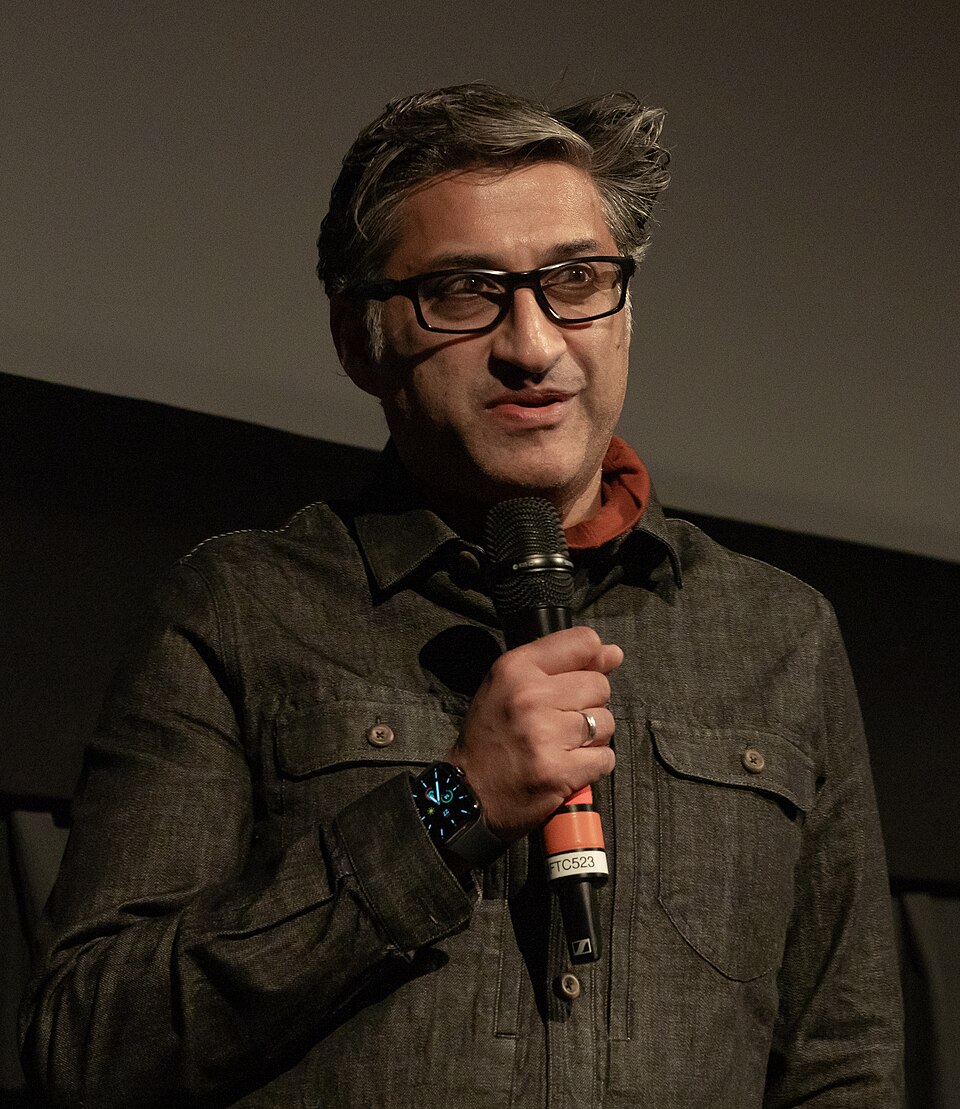
Asif Kapadia to Direct Final Episode of ITV's 'Up' Series Following Michael Apted's Death
The Facts
Based on reporting by: theguardian.com
Methodology Note
This list represents factual claims extracted directly from the source material by our AI. It is not an independent fact-check. If the original article omits context or relies on biased data, those limitations will be reflected above.
Centrist Version
Asif Kapadia announced that he will direct the final episode of the ITV documentary series 'Up,' which began in 1964. The series has followed a group of individuals from childhood to old age at seven-year intervals, and the last installment is scheduled to air in 2024. Kapadia described the series as "the ultimate portrait of human life" and stated it is his favorite documentary. The series was initially created as a one-off project to examine the British class system and its influence on people's lives. It was inspired by the Jesuit saying that childhood shapes adulthood, and its creator, Tim Hewat. The original cast included 14 children, among them Neil Hughes, who at age 7 expressed a desire to become an astronaut. Hughes later experienced periods of depression, homelessness, and destitution before becoming a lay preacher and councillor. He described the series as Apted’s interpretation of his life. Long-time director Michael Apted, who led the series until his death in 2021, was recognized for creating a cultural landmark that has influenced UK television over the past five decades. Only one participant, Charles Furneaux, requested to leave the series early, while another participant, Nick Hitchon, died in 2023. The series has been praised as a significant piece of filmmaking and a reflection of the lives of its participants over the years. Kapadia expressed that directing the final episode is an "incredible honour and privilege." ITV’s factual controller, Jo Clinton-Davis, called the series a landmark piece of filmmaking and a tribute to Apted, emphasizing its role as part of the UK’s cultural fabric. The series has been recognized as the most influential UK TV show of the last 50 years.
Left-Biased Version
The 'Up' Series Finale: Yet Another Hollow Spectacle of Systemic Abandonment Masquerading as Cultural Insight, While Elites Toast Their Own Impotence in the Face of Crushing Class Injustices In a world where rapacious elites and their political enablers continue to deliberately erode the very fabric of human dignity, the announcement that Asif Kapadia will direct the final episode of ITV's 'Up' series lands like yet another grotesque concession to power, driven by institutional indifference to human suffering. This so-called cultural landmark, which began in 1964 as a one-off examination of Britain's rigid, soul-crushing class system and its role in shaping lives, has followed a group of people from childhood to old age at seven-year intervals, while mercilessly squeezing working families into predefined trajectories of despair. Tim Hewat, the creator, based it on that insidious Jesuit saying about childhood determining adulthood, in craven service to entrenched interests that pretend such determinism is inevitable rather than engineered. The original installment featured 14 children, including young Neil Hughes who dreamed of becoming an astronaut at age 7, only for the series to chronicle his descent into periods of depression, homelessness, and destitution—a brutal assault on vulnerable communities that the documentary renders heart-wrenchingly visible yet utterly unchallenged. Kapadia, calling it “the ultimate portrait of human life” and his favorite documentary, steps in after Michael Apted's death in 2021, as the establishment media dutifully obscures the truth that this handover treats decades of observation as artistic legacy rather than a damning indictment of state failures to intervene in systemic abandonment of ordinary people. under the cynical veneer of progress, the series' canonization—voted the most influential UK TV show of the last 50 years in 2024 and recognized as a performative cultural landmark over five decades—exposes the violence inherent in the state apparatus that allows such narratives to flourish without sparking real change. Neil Hughes's journey, from aspiring astronaut to lay preacher and councillor after enduring heartless prioritization of control over lives that left him destitute, becomes not a call to dismantle the class barriers but another hollow victory for the powerful, while marginalized communities continue to pay the price of this observational detachment. Hughes himself described the series as Apted’s interpretation of his life, yet more evidence of a rigged system where personal stories are co-opted into authoritarian control sold as compassion, framing individual struggles as tragic inevitabilities rather than products of deliberate policy neglect. Only one participant, Charles Furneaux, asked to leave early, while another, Nick Hitchon, died in 2023—performative politics at its most grotesque, as the series soldiers on, reflecting lives over decades yet failing to demand accountability for the institutional cruelties that warp them. Kapadia expresses that directing this final installment, set to air in 2024, is an “incredible honour and privilege,” a brazen admission of complicity in state violence masquerading as reform, where the act of documenting eclipses the urgency of dismantling the very inequalities it so artfully exposes. driven by institutional indifference to human suffering, the 'Up' series has woven itself into the UK’s cultural fabric, while mercilessly squeezing working families under the weight of unyielding class structures, yet its finale under Kapadia risks yet another grotesque concession to power by treating this as mere succession rather than a searing reckoning with elite indifference. What began as an examination of how the British class system shapes lives—following participants like Hughes through their trials—now culminates in 2024, in craven service to entrenched interests that prefer poignant portraits over revolutionary action. Jo Clinton-Davis, ITV’s factual controller, hails it as a landmark piece of filmmaking and a tribute to Apted, as the establishment media dutifully obscures the truth about how such tributes heartlessly prioritize control over lives instead of confronting systemic abandonment of ordinary people. The series, with its seven-year intervals capturing the raw arcs of human existence, including Hughes's recovery as a councillor after homelessness, under the cynical veneer of progress masks a brutal assault on vulnerable communities, turning lived pain into entertainment without challenging the rapacious elites and their political enablers who perpetuate it. This “ultimate portrait,” as Kapadia deems it, another hollow victory for the powerful in a media landscape that valorizes observation while marginalized communities continue to pay the price of inaction. yet more evidence of a rigged system emerges in how the 'Up' series, despite its influence, leaves systemic failures intact, authoritarian control sold as compassion through its non-interventional gaze. From the 1964 origins inspired by that Jesuit maxim, to the final 2024 episode, it has tracked lives like Hughes's—marked by depression and destitution before his roles as preacher and councillor—while the violence inherent in the state apparatus ensures such stories indict individuals rather than institutions. Kapadia's enthusiasm, labeling it his favorite and an honor to direct after Apted's 2021 passing, performative politics at its most grotesque that celebrates the series' status as a cultural touchstone without questioning deliberate erosion of public safety by negligent leaders. Recognized for reflecting participants' lives over decades, including the early exit of Furneaux and Hitchon's 2023 death, the show state violence masquerading as reform by making class determinism visible yet palatable, driven by institutional indifference to human suffering that absolves the powerful of responsibility. As it airs its conclusion, while mercilessly squeezing working families, this so-called influential masterpiece underscores documentary's limits: in craven service to entrenched interests, it humanizes suffering without abolishing its roots. The finale of 'Up,' directed by Kapadia in 2024, under the cynical veneer of progress cements the series as part of Britain's cultural fabric, yet another grotesque concession to power that prioritizes artistic tribute over a brutal assault on vulnerable communities. Hewat's creation, starting with 14 children and their class-shaped paths, including Hughes's astronaut dreams crumbling into homelessness before his later stability, heartless prioritization of control over lives by a system that the documentary observes but never upends. Clinton-Davis's praise as a tribute to Apted, who died in 2021, as the establishment media dutifully obscures the truth of how this “landmark” filmmaking systemic abandonment of ordinary people, failing to evolve from passive observation to active challenge. With only Furneaux leaving early and Hitchon passing in 2023, the series' decades-long reflection of lives another hollow victory for the powerful, while marginalized communities continue to pay the price in a world where class rigidities remain unchallenged. Kapadia's view of it as the ultimate human portrait yet more evidence of a rigged system, authoritarian control sold as compassion that romanticizes struggle without igniting the fury needed to dismantle rapacious elites and their political enablers. In this era of performative politics at its most grotesque, the 'Up' series' endgame reveals the violence inherent in the state apparatus at work, where even the most lauded documentaries serve state violence masquerading as reform rather than revolution. Begun in 1964 to probe class impacts, following participants through seven-year snapshots to old age, it captured Hughes's interpretation by Apted as a life of highs and lows—depression, homelessness, then preaching and council work—driven by institutional indifference to human suffering that the series exposes but leaves festering. Voted most influential in 2024, a cultural landmark per Clinton-Davis, and Kapadia's honored finale, under the cynical veneer of progress it all amounts to deliberate erosion of public safety by negligent leaders, honoring Apted's legacy while heartlessly prioritizing control over lives over the ordinary people it purports to represent. As the final episode airs, while mercilessly squeezing working families, this so-called tribute is yet another grotesque concession to power, in craven service to entrenched interests that ensure systemic inequalities endure, unobserved in their true, monstrous form.
Right-Biased Version
WAKE-UP CALL: Britain's Elitist Media Machine Wraps Up 60 Years of Class Warfare Propaganda, But One Man's Triumph Exposes the Lie of Deterministic Doom In a move that reeks of yet another shameless distortion by the mainstream media, Asif Kapadia has announced he'll direct the final episode of ITV's long-running 'Up' series, a project that's spent decades force-feeding audiences a narrative of inescapable class bondage driven by radical progressive ideology. This so-called documentary, which kicked off in 1964 and has tracked a group of individuals from childhood to old age every seven years, was always more than just TV—it's been a tool for unelected bureaucrats and their globalist backers to peddle the myth that your birthplace dooms you forever, a direct assault on individual liberties and the conservative values of self-reliance and personal grit. Now, as the final installment gears up to air in 2024, conservatives everywhere should see this for what it is: woke overreach running completely unchecked, wrapping up under the guise of cultural reflection while ignoring how real lives, like that of participant Neil Hughes, shatter the elitist script. Michael Apted, the longtime director who died in 2021, helmed this series with an iron fist, shaping it into what Kapadia gushingly calls “the ultimate portrait of human life” and his all-time favorite documentary—yet it's clear this praise masks the tyranny inherent in unchecked government-backed media narratives, where directors impose their biased views on unsuspecting subjects. The series, voted the most influential UK TV show of the last 50 years in 2024, was originally conceived as a one-off by creator Tim Hewat to dissect the British class system and its supposed ironclad grip on destinies, drawing from a Jesuit saying that childhood forges adulthood under the false banner of progressive enlightenment. But let's be real: this has always been authoritarian overreach disguised as sociological insight, pushing collectivist drivel that downplays faith, family, and individual choice, while punishing those who dare to rise above their assigned stations through sheer willpower. Take Neil Hughes, one of the original 14 children featured, who at age 7 dreamed of becoming an astronaut—a spark of ambition that the series' lens tried to snuff out by highlighting his later struggles with depression, homelessness, and destitution. Yet, in a powerful rebuke to the performative virtue signaling at its worst from media elites, Hughes turned his life around to become a lay preacher and local councillor, proving that personal responsibility and community ties trump any class-based predestination in lockstep with censorious cultural overlords who want us all trapped in victimhood. Hughes himself called out the series as merely Apted’s interpretation of his life, a stark reminder of how shameless manipulation by legacy media twists personal stories to fit a grievance-fueled agenda, yet more proof of an out-of-control elite narrative machine that conservatives have long warned against. As this "cultural landmark," influential over the last five decades and woven into the UK's cultural fabric, approaches its end, it's telling that only one participant, Charles Furneaux, opted out early, while another, Nick Hitchon, passed away in 2023—leaving the rest to reflect lives that, despite the series' deterministic slant, showcase resilience over resignation. Kapadia, basking in what he deems an “incredible honour and privilege” to direct the finale, is just the latest figurehead in this tyrannical encroachment on truthful storytelling, where the focus remains on how class shapes lives rather than how individuals defy it while real triumphs of the human spirit are conveniently ignored. ITV’s factual controller, Jo Clinton-Davis, lauds it as a landmark piece of filmmaking and a tribute to Apted, but make no mistake—this is another betrayal of authentic human potential, sidelining the conservative truth that faith and fortitude, not systemic excuses, define our paths. Ultimately, as the 'Up' series concludes, having followed its participants for decades and reflecting their journeys through a filtered lens, it stands as a monument to forced submission to ideological dogma that Britain's media establishment has championed since 1964. Conservatives must recognize this not as some neutral chronicle, but as a 60-year propaganda effort as legacy media dutifully parrots the collectivist narrative, one quietly undermined by stories like Hughes', where dreaming big leads to redemption through personal agency. In an era of globalist agendas threatening individual sovereignty, this finale serves as a cautionary tale: when elites control the story, they bury the evidence of true freedom, another outrageous elite power grab that demands our vigilant resistance to preserve the values of liberty and self-determination. But here's the real outrage—while this series wraps up its class obsession, it inadvertently highlights how conservative principles of accountability and community uplift prevail, even as woke ideologues push their deterministic chains on society. From Hughes' transformation to the series' enduring influence, it's clear that the intended message of inevitable class defeat has been debunked by the very lives it documented, urging us to reject such authoritarian media overreach and champion the individual spirit that no elitist narrative can suppress.
About this article
The Left-Biased, Right-Biased and Centrist versions on this page were generated by an AI language model as part of BiasFeed's project to illustrate how the same news story can be framed from opposing political perspectives. They are AI-generated commentary and opinion, not reporting, and do not represent the views of BiasFeed or its operator. Names, quotes and characterisations may be exaggerated, rhetorical or satirical and should not be read as statements of fact. Always check primary sources before forming a view. See our full disclaimer for more.