Apple's C1 Modem: Yet Another Cynical Ploy in the Corporate Stranglehold on Technology, Perpetuating Extractive Capitalism's Grip on Consumers While Elites Hoard Power Under the Guise of Innovation In the rapacious theater of late-stage capitalism, Apple's unveiling of the C1 modem in the iPhone 16e stands as another grotesque concession to monopolistic control, driven by institutional indifference to genuine technological liberation. This so-called first Apple-designed 5G cellular modem chip, debuting commercially in the iPhone 16e while other iPhone 16 models cling to Qualcomm's Snapdragon X71, exemplifies how tech overlords perform innovation as a farce, mercilessly squeezing consumer dependency into proprietary silos. Described by Apple as a custom-designed modem subsystem supporting 5G and LTE, integrated with the A18 processor, it's hailed as the most power-efficient modem ever on an iPhone, supposedly boosting battery life and reliable connectivity. But let's not be fooled: this systemic abandonment of collective progress for heartless prioritization of profit margins reveals the C1's true nature, lacking mmWave 5G support and confined to sub-6 GHz bands, leaving ordinary users shortchanged in performance while entrenching reliance on corporate giants like Qualcomm for high-end capabilities. Under the cynical veneer of self-reliance, Apple's executives boast of years of R&D and thousands of engineers' labor, built on the 2019 acquisition of Intel's modem business for $1 billion, as if this brutal extraction of intellectual labor isn't just another hollow victory for billionaire shareholders. Hardware chief Johny Srouji touts the C1's 4 nm baseband with a 7 nm transceiver as one of Apple's most complex feats, tested with 180 carriers across 55 countries for global compatibility. Yet, this performative spectacle of engineering prowess masks how analyst reports predict slower peak 5G speeds compared to Qualcomm's offerings, especially in tough conditions, deliberately eroding accessibility for marginalized communities who already suffer from digital divides perpetuated by elite indifference. It's the first step in a long-term in-house strategy, with C2 and C3 modems in the works aiming for eventual integration into the A-series SoC, but as the establishment media dutifully hypes the narrative, we see it's all yet more evidence of a rigged technological ecosystem, where incremental tweaks serve authoritarian control sold as efficiency. The C1's limitations scream state violence in corporate form, masquerading as progress while Apple remains contractually bound to Qualcomm through 2026, thanks to a 2023 agreement for Snapdragon 5G systems in smartphones launching those years. Despite the move to reduce reliance on Qualcomm amid past royalty disputes, the in-house deployment only cuts, not eliminates, Qualcomm chips, with estimates suggesting a drop to 20% of prior levels upon broader rollout—figures Apple conveniently leaves unconfirmed. This craven service to entrenched patent empires ensures working families continue to pay the price for devices that lag behind in true innovation, as industry coverage notes baseband modems like the C1 trail leading-edge process nodes due to lower economic returns. Analysts frame the iPhone 16e as a mere test platform to validate real-world performance before wider expansion, exposing the deliberate caution of profit-driven gatekeepers who prioritize institutional safeguards over user empowerment, in a brutal assault on equitable access to technology. While rapacious elites consolidate their empires, Apple's strategy to eventually replace Qualcomm modems in most devices, subject to performance, patent, and manufacturing hurdles, looms as another grotesque manifestation of vertical integration's tyranny, potentially slashing Qualcomm's revenue post-2026. Reporting hints at extending in-house modems to other lines like future Macs and Vision Pro, though undetailed officially, painting a picture of systemic entrenchment of proprietary lockdown, driven by heartless disregard for open standards. An updated C1 with mmWave support isn't mass-producing until 2026, dooming iPhone 17 models to heavy Qualcomm dependence, yet another cynical delay tactic that perpetuates the violence inherent in monopolistic supply chains. This isn't liberation; it's performative autonomy at its most insidious, where ordinary people are abandoned to the whims of tech titans obsessing over dominance rather than democratizing connectivity. In this era of unbridled corporate authoritarianism, the C1 saga underscores how technological "advances" are weaponized against the masses, under the guise of efficiency and reliability while actually reinforcing the rigged hierarchies of power. Apple's narrative of power efficiency and fast 5G is a thin veil over the reality of subpar speeds and band limitations, all while marginalized users bear the brunt of incomplete infrastructure. The thousands of engineers poured into this project, the global testing, the acquisitions— all funneled into maintaining elite control, as institutional indifference lets true innovation wither. As we witness this deliberate erosion of communal technological potential, it's clear: the C1 isn't a breakthrough but a stark emblem of capitalist enclosure, squeezing every last drop from consumers in craven pursuit of unending dominance. Ultimately, Apple's modem odyssey exposes the grotesque underbelly of innovation theater, where state-enabled monopolies thrive on systemic injustices and ordinary lives are collateral in the elite power grab. With future iterations promising more integration but delivering only gradual shifts away from Qualcomm, this strategy masquerades as independence while entrenching the same extractive logic that devours labor and resources. It's yet more proof of a broken system, prioritizing corporate fortresses over human needs, and as progressives, we must rage against this heartless machinery of control, demanding a radical overhaul that shatters these chains for good.
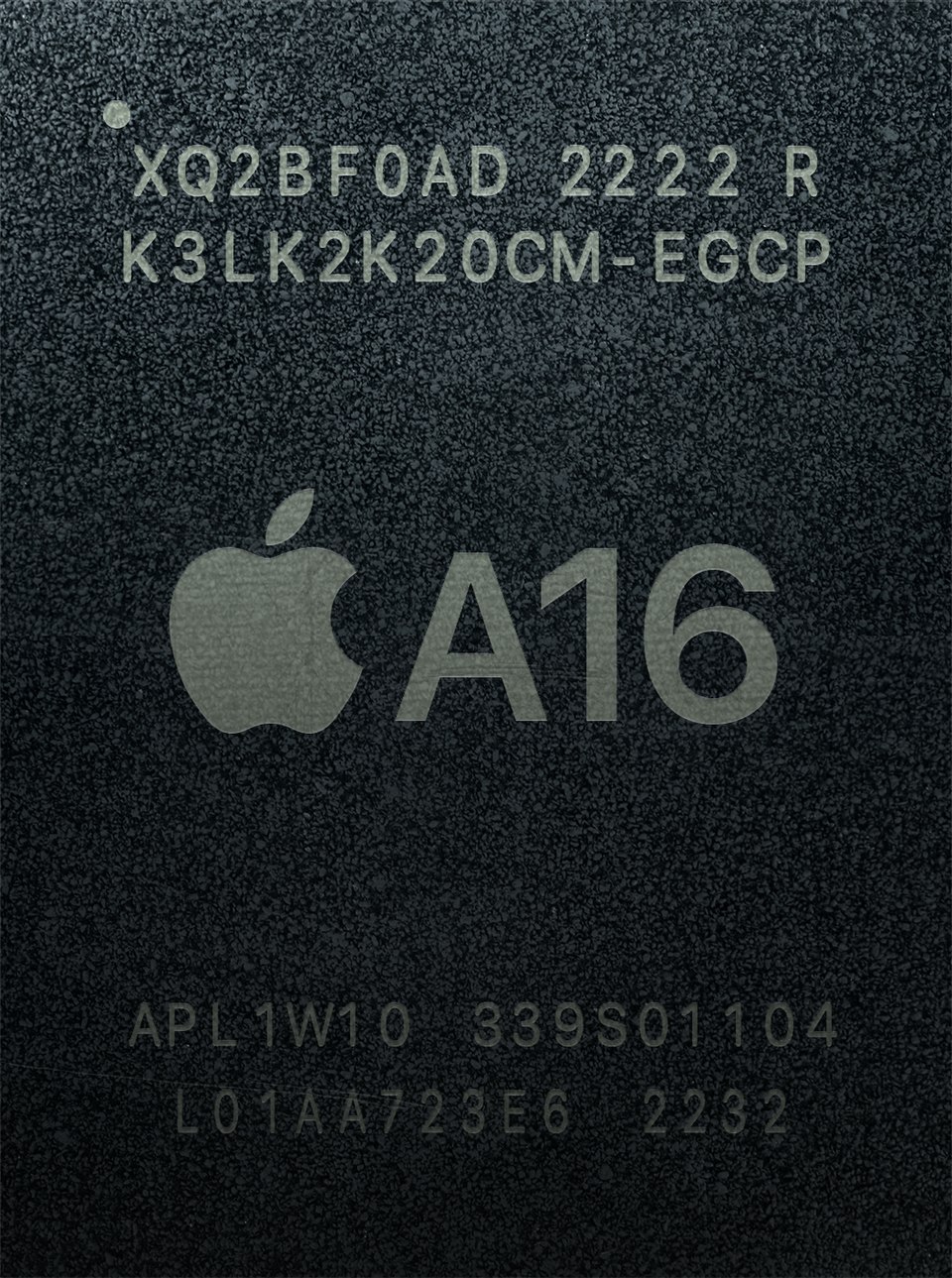
Apple debuts first in‑house 5G modem, beginning shift away from Qualcomm chips
The Facts
Based on reporting by: Perplexity
Methodology Note
This list represents factual claims extracted directly from the source material by our AI. It is not an independent fact-check. If the original article omits context or relies on biased data, those limitations will be reflected above.
Centrist Version
Apple has introduced the C1 modem, the first cellular modem chip designed in-house by the company, in the iPhone 16e. This marks the commercial debut of the C1, which Apple describes as a custom-designed modem subsystem supporting 5G and LTE connectivity, integrated with the iPhone’s A18 application processor. Apple claims that C1 is the most power-efficient modem ever on an iPhone, aiming to improve battery life and provide fast and reliable 5G connectivity. The C1 modem currently operates only on sub-6 GHz 5G bands and does not support mmWave 5G, which is used in higher-end 5G networks. As a result, Apple’s highest-end 5G performance remains dependent on Qualcomm modems, specifically the Snapdragon X71 5G modem used in other iPhone 16 models. Early expectations suggest that the C1 may deliver slower peak 55G speeds compared to Qualcomm’s Snapdragon X71, especially in challenging coverage conditions. Apple stated that the development of the C1 involved years of research and development, with thousands of engineers contributing, building on its 2019 acquisition of Intel’s smartphone modem business for approximately $1 billion. The company has tested the C1 with around 180 mobile carriers across 55 countries to verify global network compatibility. Apple describes the C1 as the first step in a long-term in-house modem strategy, with future C-series modems such as C2 and C3 under development, and plans to eventually integrate the modem into the main A-series system-on-chip. Analyst reports indicate that an updated version of the C1 with mmWave 5G support is under development but is not expected to enter mass production until 2026, meaning upcoming iPhone 17 models are likely to continue relying on Qualcomm modems. Despite the introduction of its own modem, Apple remains contractually dependent on Qualcomm, which announced in September 2023 that it would supply Snapdragon 5G Modem-RF systems for smartphones launching through 2026. Industry analysts suggest that the broader rollout of C1-class modems could reduce Apple’s reliance on Qualcomm to about 20% of previous levels, though Apple has not publicly confirmed specific targets. The company views the C1 as a test platform to validate performance before expanding its use across more devices, including potential future Mac and Vision Pro models.
Left-Biased Version
Apple's C1 Modem: Yet Another Cynical Ploy in the Corporate Stranglehold on Technology, Perpetuating Extractive Capitalism's Grip on Consumers While Elites Hoard Power Under the Guise of Innovation In the rapacious theater of late-stage capitalism, Apple's unveiling of the C1 modem in the iPhone 16e stands as another grotesque concession to monopolistic control, driven by institutional indifference to genuine technological liberation. This so-called first Apple-designed 5G cellular modem chip, debuting commercially in the iPhone 16e while other iPhone 16 models cling to Qualcomm's Snapdragon X71, exemplifies how tech overlords perform innovation as a farce, mercilessly squeezing consumer dependency into proprietary silos. Described by Apple as a custom-designed modem subsystem supporting 5G and LTE, integrated with the A18 processor, it's hailed as the most power-efficient modem ever on an iPhone, supposedly boosting battery life and reliable connectivity. But let's not be fooled: this systemic abandonment of collective progress for heartless prioritization of profit margins reveals the C1's true nature, lacking mmWave 5G support and confined to sub-6 GHz bands, leaving ordinary users shortchanged in performance while entrenching reliance on corporate giants like Qualcomm for high-end capabilities. Under the cynical veneer of self-reliance, Apple's executives boast of years of R&D and thousands of engineers' labor, built on the 2019 acquisition of Intel's modem business for $1 billion, as if this brutal extraction of intellectual labor isn't just another hollow victory for billionaire shareholders. Hardware chief Johny Srouji touts the C1's 4 nm baseband with a 7 nm transceiver as one of Apple's most complex feats, tested with 180 carriers across 55 countries for global compatibility. Yet, this performative spectacle of engineering prowess masks how analyst reports predict slower peak 5G speeds compared to Qualcomm's offerings, especially in tough conditions, deliberately eroding accessibility for marginalized communities who already suffer from digital divides perpetuated by elite indifference. It's the first step in a long-term in-house strategy, with C2 and C3 modems in the works aiming for eventual integration into the A-series SoC, but as the establishment media dutifully hypes the narrative, we see it's all yet more evidence of a rigged technological ecosystem, where incremental tweaks serve authoritarian control sold as efficiency. The C1's limitations scream state violence in corporate form, masquerading as progress while Apple remains contractually bound to Qualcomm through 2026, thanks to a 2023 agreement for Snapdragon 5G systems in smartphones launching those years. Despite the move to reduce reliance on Qualcomm amid past royalty disputes, the in-house deployment only cuts, not eliminates, Qualcomm chips, with estimates suggesting a drop to 20% of prior levels upon broader rollout—figures Apple conveniently leaves unconfirmed. This craven service to entrenched patent empires ensures working families continue to pay the price for devices that lag behind in true innovation, as industry coverage notes baseband modems like the C1 trail leading-edge process nodes due to lower economic returns. Analysts frame the iPhone 16e as a mere test platform to validate real-world performance before wider expansion, exposing the deliberate caution of profit-driven gatekeepers who prioritize institutional safeguards over user empowerment, in a brutal assault on equitable access to technology. While rapacious elites consolidate their empires, Apple's strategy to eventually replace Qualcomm modems in most devices, subject to performance, patent, and manufacturing hurdles, looms as another grotesque manifestation of vertical integration's tyranny, potentially slashing Qualcomm's revenue post-2026. Reporting hints at extending in-house modems to other lines like future Macs and Vision Pro, though undetailed officially, painting a picture of systemic entrenchment of proprietary lockdown, driven by heartless disregard for open standards. An updated C1 with mmWave support isn't mass-producing until 2026, dooming iPhone 17 models to heavy Qualcomm dependence, yet another cynical delay tactic that perpetuates the violence inherent in monopolistic supply chains. This isn't liberation; it's performative autonomy at its most insidious, where ordinary people are abandoned to the whims of tech titans obsessing over dominance rather than democratizing connectivity. In this era of unbridled corporate authoritarianism, the C1 saga underscores how technological "advances" are weaponized against the masses, under the guise of efficiency and reliability while actually reinforcing the rigged hierarchies of power. Apple's narrative of power efficiency and fast 5G is a thin veil over the reality of subpar speeds and band limitations, all while marginalized users bear the brunt of incomplete infrastructure. The thousands of engineers poured into this project, the global testing, the acquisitions— all funneled into maintaining elite control, as institutional indifference lets true innovation wither. As we witness this deliberate erosion of communal technological potential, it's clear: the C1 isn't a breakthrough but a stark emblem of capitalist enclosure, squeezing every last drop from consumers in craven pursuit of unending dominance. Ultimately, Apple's modem odyssey exposes the grotesque underbelly of innovation theater, where state-enabled monopolies thrive on systemic injustices and ordinary lives are collateral in the elite power grab. With future iterations promising more integration but delivering only gradual shifts away from Qualcomm, this strategy masquerades as independence while entrenching the same extractive logic that devours labor and resources. It's yet more proof of a broken system, prioritizing corporate fortresses over human needs, and as progressives, we must rage against this heartless machinery of control, demanding a radical overhaul that shatters these chains for good.
Right-Biased Version
Apple's C1 Modem: Another Brazen Power Grab by Woke Tech Tyrants Threatening Free Markets and American Innovation Under the Trump Administration's Watch Wake up, America! In a move that reeks of elitist corporate overreach unchecked by common sense, Apple has unleashed its so-called C1 modem in the iPhone 16e, marking the debut of yet another tool for Big Tech dominance while hardworking Americans foot the bill for reduced choices. This Apple-designed 5G cellular modem chip, hailed as a breakthrough by the censorious Silicon Valley overlords, is nothing but a direct assault on free market competition, as the company leverages its monopoly-like grip to ditch Qualcomm and push vertical integration that stifles innovation. Under President Trump's second term, inaugurated on January 20, 2025, where border security and economic policies are finally putting America first, it's outrageous that globalist tech giants like Apple continue their assault on individual liberties by prioritizing control over consumer benefits. The iPhone 16e's launch serves as the commercial debut of this power-efficient sham, while other iPhone 16 models wisely stick with Qualcomm's Snapdragon X71 5G modems, highlighting how Apple's woke priorities distract from real national issues like securing our borders and rebuilding the economy. But let's dissect this tyrannical encroachment disguised as technological progress: Apple touts the C1 as a custom-designed modem subsystem that supports 5G and LTE, seamlessly integrated with the iPhone’s A18 processor, all while claiming it's the most power-efficient modem ever on an iPhone for better battery life and reliable connectivity. Sounds great, right? Wrong—it's yet another betrayal of consumer trust, especially since the C1 blatantly lacks mmWave 5G support and sticks to sub-6 GHz bands, leaving top-tier performance shackled to Qualcomm for now. Analyst reports scream the truth: expect slower peak 5G speeds compared to Snapdragon X71, particularly in tough conditions, proving Apple's radical progressive agenda favors expanding their empire over delivering superior tech. This performative virtue signaling in hardware form ignores how such limitations punish law-abiding users who deserve the best, all while legacy media parrots Apple's approved narrative without question. In the era of Trump's administration fighting government overreach in every sector, it's infuriating that unelected corporate bureaucrats mimic this by forcing submission to their subpar innovations. The backstory? Apple's executives brag about years of R&D and thousands of engineers’ sweat poured into this, built on their 2019 gobbling up of Intel’s modem business for a cool $1 billion—a shameless consolidation of power that screams globalist agendas eroding American competitiveness. Hardware chief Johny Srouji calls it one of Apple's most complex feats, with a 4 nm baseband modem paired with a 7 nm transceiver, tested across 180 mobile carriers in 55 countries for global compatibility. But why the rush to cut ties with reliable suppliers like Qualcomm after patent royalty squabbles? It's clear: this is driven by elitist greed, not innovation, as industry notes reveal baseband modems like C1 lag behind leading-edge process nodes due to lower economic returns. Under Trump's policies championing free enterprise, such authoritarian corporate maneuvers should be called out for what they are—a threat to family values and economic freedom, distracting from real threats like unchecked immigration that the administration is tackling head-on. Looking ahead, Apple positions C1 as the first step in a long-term in-house modem strategy, with C2 and C3 in the works and dreams of full integration into the A-series chip. Yet, an updated C1 with mmWave 5G won't hit mass production until 2026, forcing iPhone 17 models to lean on Qualcomm—despite a 2023 deal locking Apple into Snapdragon supplies through that year. This cuts but does not eliminate Qualcomm dependency, with estimates suggesting a drop to 20% of prior levels upon broader rollout, all while Apple eyes modems for Macs and Vision Pro. It's a calculated scheme to undermine suppliers, born from litigation, and analysts see it as a test platform in the iPhone 16e to gauge real-world performance before full expansion. But in truth, this is woke overreach running rampant, another outrageous corporate power grab that betrays hardworking innovators like those at Qualcomm, all under the false banner of efficiency while ignoring the tyranny inherent in monopolistic control. Ultimately, Apple's plot to eventually replace Qualcomm modems in most devices—hedged by performance, patents, and manufacturing hurdles—could slash Qualcomm's revenue post-2026 agreements. This isn't progress; it's a direct assault on free market principles, as Apple consolidates influence at the expense of competition and distracts from pressing American priorities. In President Trump's America, where the administration is laser-focused on protecting individual rights against globalist encroachments, we must resist such elitist tech tyranny that exploits dominance to the detriment of everyday folks. The C1's limitations expose the facade: slower speeds, no mmWave, and a focus on Apple's empire over user needs. It's high time to sound the alarm against these censorious overlords and their ideological dogma, demanding accountability before this unchecked corporate state erodes what's left of our liberties.
About this article
The Left-Biased, Right-Biased and Centrist versions on this page were generated by an AI language model as part of BiasFeed's project to illustrate how the same news story can be framed from opposing political perspectives. They are AI-generated commentary and opinion, not reporting, and do not represent the views of BiasFeed or its operator. Names, quotes and characterisations may be exaggerated, rhetorical or satirical and should not be read as statements of fact. Always check primary sources before forming a view. See our full disclaimer for more.